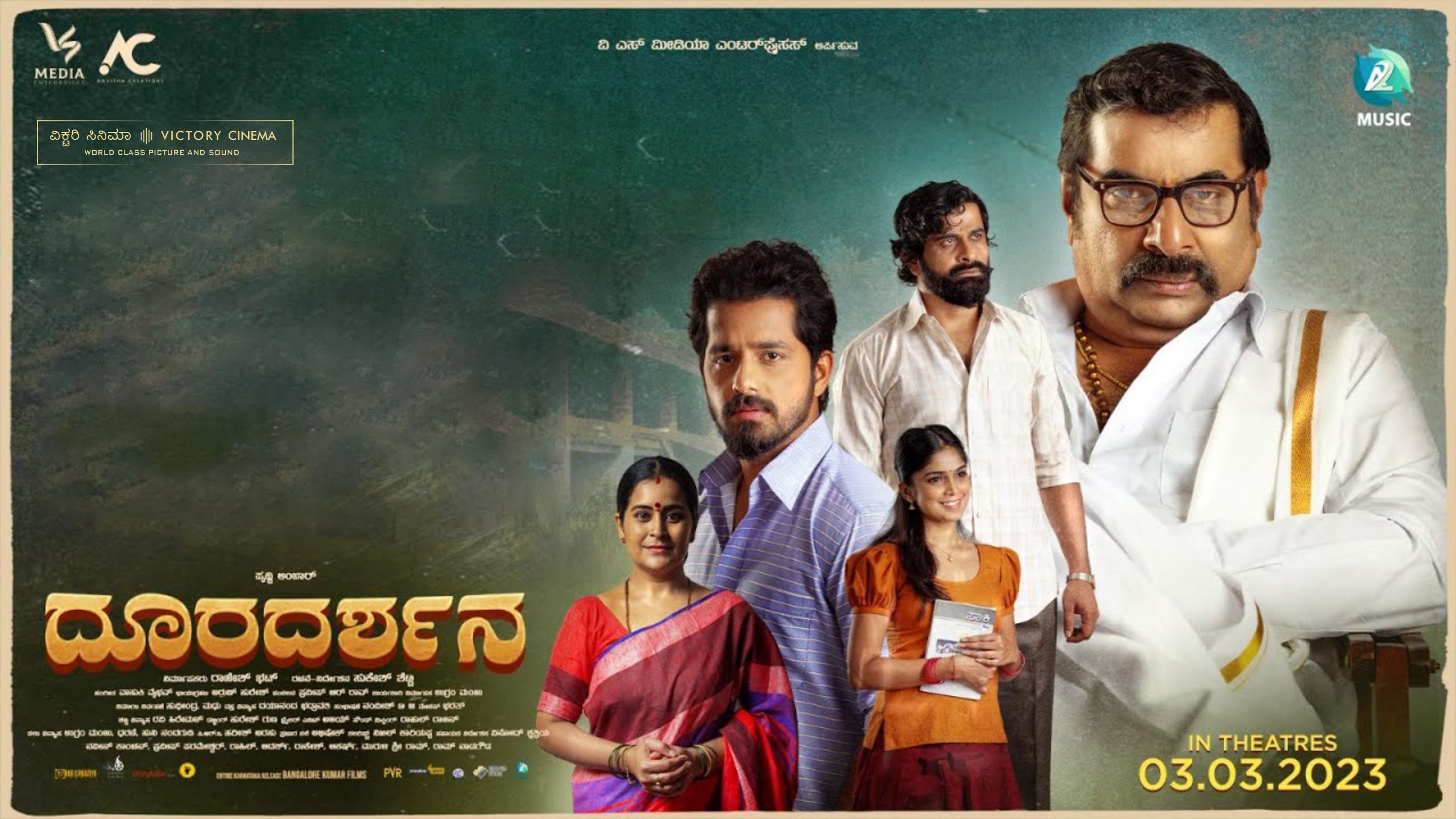
Dooradarshana (Kannada with English subtitles)
- Director: Sukesh Shetty
- Writers: Sukesh Shetty
- Stars:
- Pruthvee Ambaar
- Ayaana
- Sundar Veena
- Ugramm Manju
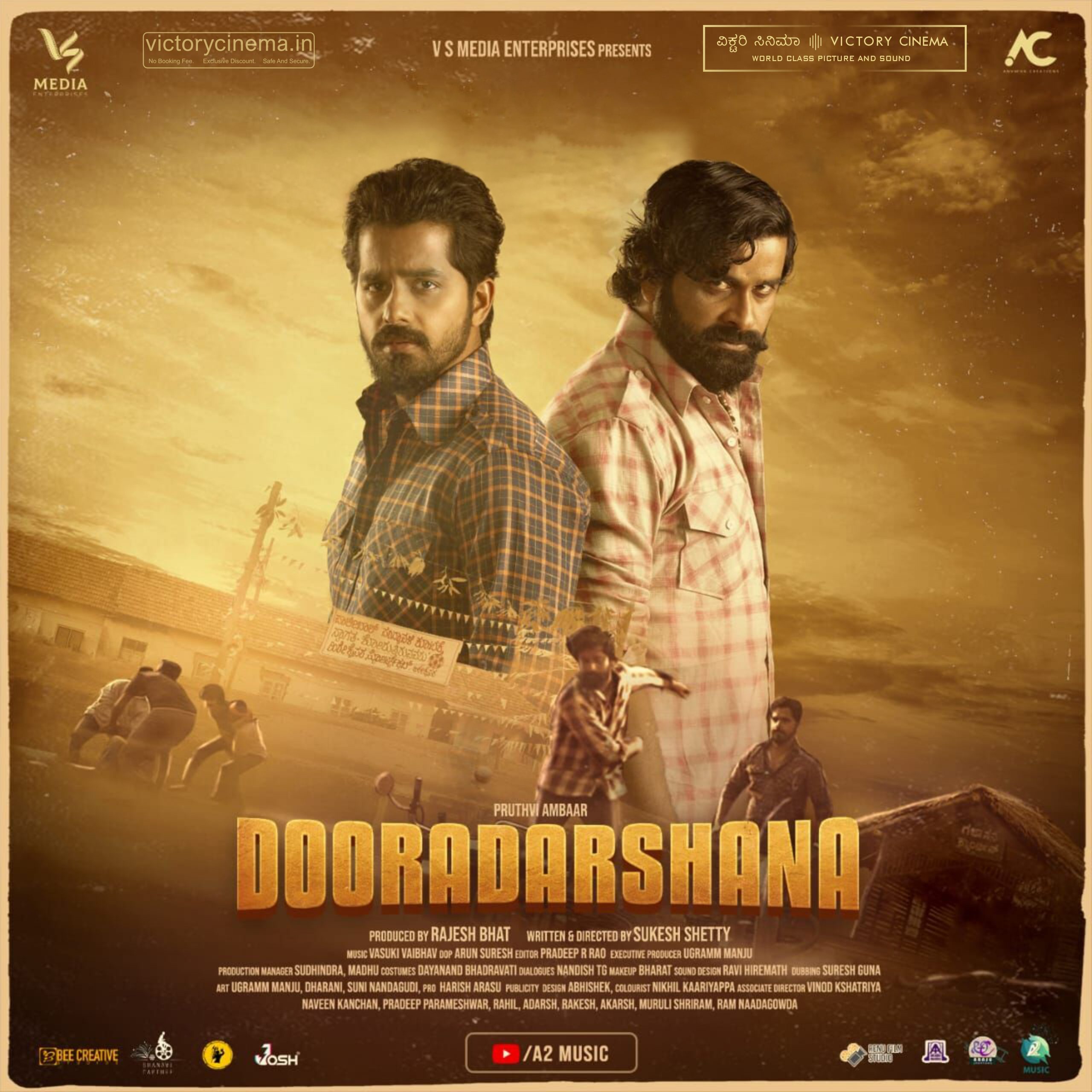
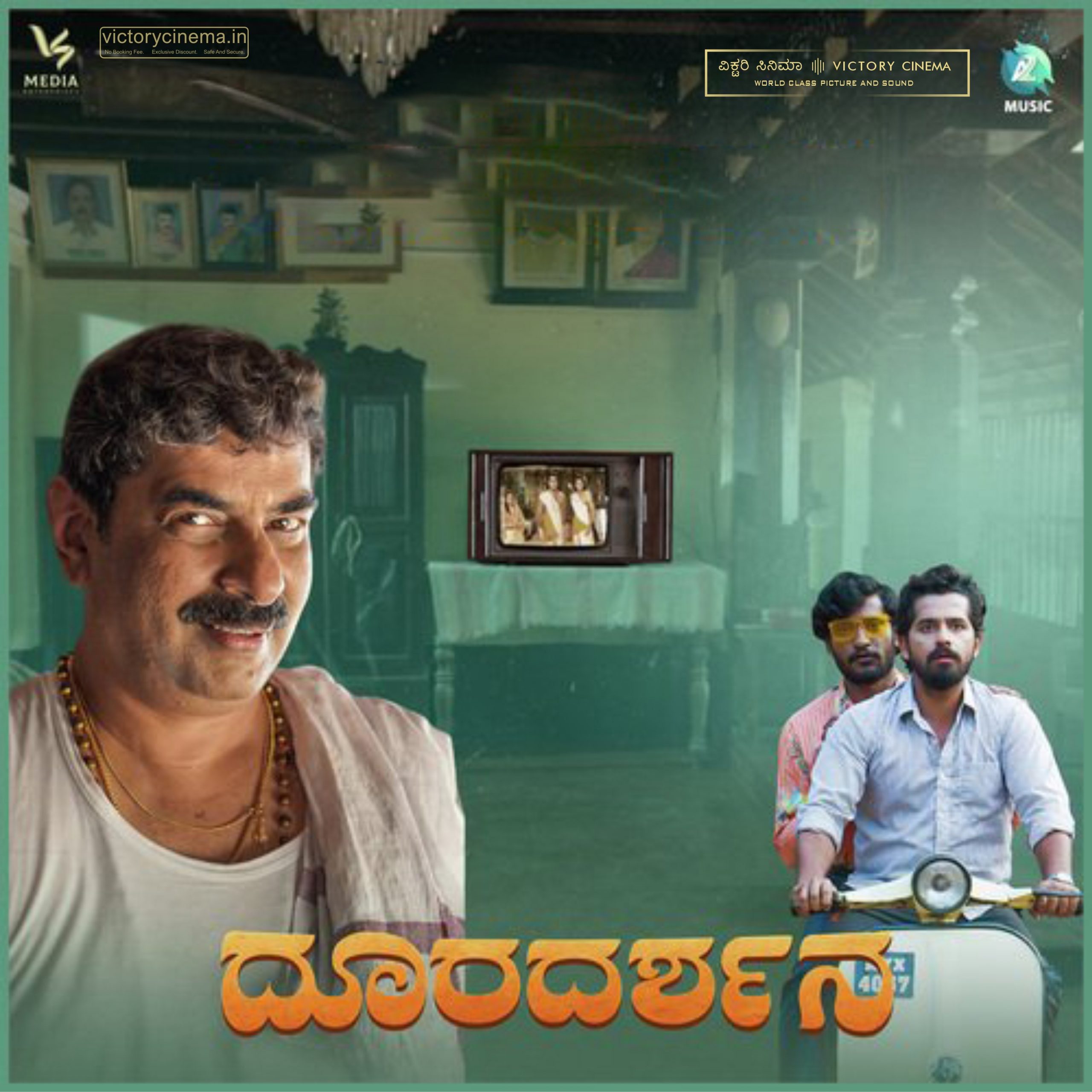
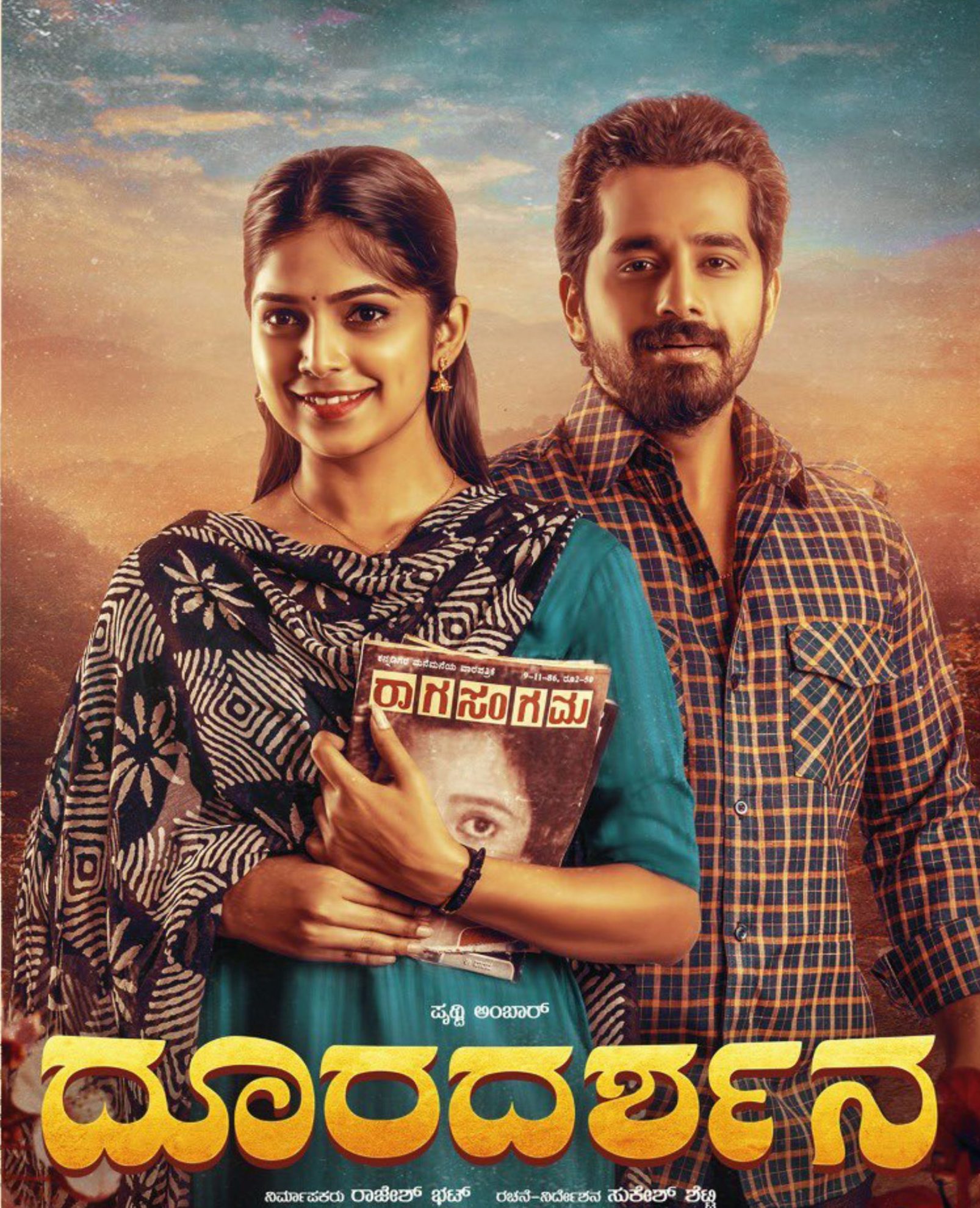
Dooradarshana at Victory Cinema Dooradarshana takes audiences back to a Karnataka village when television was still a rare and fascinating arrival. The story follows Manu and his family as one modern device enters a traditional household and changes how relatives, neighbours and friends spend time together. Written and directed by Sukesh Shetty, the film is a nostalgic comedy drama filled with romance, family disagreements, village humour and memories of Doordarshan programmes. Victory Cinema presents Dooradarshana in Kannada with English subtitles for Bengaluru audiences seeking a warm family entertainer about shared viewing and changing village life together. Pruthvi Ambaar as Manu Pruthvi Ambaar plays Manu, a village youth whose personality combines affection, impatience and confidence. Manu belongs to a household controlled by tradition and by a father who expects discipline from everyone. Their relationship carries misunderstandings neither man finds to resolve. Manu wants space to make choices about love and life, while his father fears independence will weaken the family’s order. Television gives Manu access to images and possibilities beyond the village. It also creates arguments because everyone wants to decide when the set should be used and what the household should watch. Ayaana as Mythri Ayaana appears as Mythri, who joins Manu’s romantic journey. Their relationship brings tenderness and energy to a story shaped by family tension and excitement surrounding television. In a close village community, romance rarely remains private. Friends notice every meeting, relatives ask questions and personal choices become matters of discussion. Mythri sees Manu beyond his disagreements with his father and recognises the kindness beneath his impulsive behaviour. Their affection develops within expectations concerning approval, reputation and responsibility. The romantic track gives Dooradarshana a youthful emotional centre while keeping the household and village involved. Ramakrishna Bhat and the family Sundar Veena plays Ramakrishna Bhat, a prosperous village landlord living with his wife Sulochana and son Manu. Ramakrishna values authority, money and the respect attached to his position. He believes the family should function according to his decisions, yet this firmness creates distance from those closest to him. Harini Shreekanth plays Sulochana, who balances the household and understands both her husband’s anxiety and her son’s frustration. Television gives the family a common attraction, but it cannot repair old grievances immediately. Instead, the screen reveals their different ideas about progress, discipline and togetherness. Brothers separated by pride Raghu Ramanakoppa plays Srinivas, Ramakrishna Bhat’s brother. A long-standing grudge has kept them apart and prevented the larger family from living with expected closeness. Their separation affects spouses, children and neighbours even when the original disagreement is no longer discussed. Dooradarshana uses television as a gathering point. A programme can draw people into the same room before pride allows direct conversation. Shared laughter, news and serials create moments when hostility loses importance. The film asks whether technology separates people or simply reveals the distance created by ego, silence and misunderstanding within families. When television reaches the village The television set is more than a household object in Dooradarshana. It becomes the event around which the village reorganises its evenings. People seeing broadcasts for the first time gather with curiosity. Children sit close to the screen, elders comment on programmes and neighbours arrive early for a place. Watching television becomes a social occasion rather than an individual habit. The house turns into a meeting point where news, sports, songs, cinema and serials enter local conversations. The film captures a period when one screen could unite a street like a festival. Tradition meets a modern product Before television arrives, village life follows routines shaped by work, worship, duties and conversation. The device introduces a rhythm. Meals may be delayed, visits planned around programmes and people repeat phrases heard on screen. Ramakrishna Bhat must decide whether television strengthens status or weakens control over his household. Manu sees entertainment and a connection to the world, while others fear distraction and changing values. The film approaches this shift through humour rather than treating technology as good or bad. It asks how people use it and whether curiosity can coexist with responsibility. Village humour and supporting characters Ugram Manju, Deepak Rai Panaje, Huli Karthik, Suraj and Surya Kundapur form the ensemble surrounding Manu’s family. Their characters expand the comedy beyond one household and show how quickly news travels through a community. A minor incident can become a rumour before reaching the next street. Everyone has an opinion about the television, its programmes and the people allowed inside. Some arrive through friendship, while others want free entertainment. Their reactions create situational humour grounded in village behaviour and help the film feel like a community memory rather than a family story. Sukesh Shetty’s nostalgic direction Dooradarshana marks Sukesh Shetty’s feature-film directorial debut after work in theatre, scriptwriting and short films. He places the narrative across the 1970s, 1980s and years leading to 1999, when television moved from novelty to household importance. The director uses the device to explore changing relationships rather than present a history lesson. Realistic characters, village customs, period details and music awaken memories among viewers who once gathered at a neighbour’s home for a favourite programme. Younger audiences can discover why ordinary broadcasting once appeared extraordinary and how one television influenced daily village life. Music by Vasuki Vaibhav Vasuki Vaibhav composes the songs and background score, giving Dooradarshana a musical identity shaped by nostalgia, romance and village celebration. Dammare Dammare Dam, sung by Vijay Prakash, carries playful energy and celebrates the excitement surrounding television. Kannu Kannu Kaadaaduta Irali presents the chemistry between Manu and Mythri, while Taayi Usire adds warmth to the family story. Folk rhythms, melodic vocals and orchestration help the film move between humour, affection and disagreement. In a theatre, these songs strengthen the communal feeling at the story’s centre and invite audiences to share the characters’ memories. Period setting and visual atmosphere Cinematographer Arun Suresh recreates the village through tiled houses, fields, narrow roads, clothing and selected household objects. The television becomes a visual centre, surrounded by faces expressing wonder, amusement or irritation. Period choices distinguish the years before mobile phones, streaming platforms and personal screens changed viewing habits. Pradeep Rao’s editing moves between the household, romance, village comedy and programmes attracting attention. The approximately 139-minute presentation gives relationships room to develop while showing how the device changes routines. The visual world invites audiences to revisit an era of slower communication and shared experiences. Kannada with English subtitles Victory Cinema presents Dooradarshana in Kannada with English subtitles. Audiences can enjoy Pruthvi Ambaar, Ayaana, Sundar Veena, Harini Shreekanth and the supporting cast in their original voices while following every exchange clearly. Subtitles are useful during village humour, family arguments, regional expressions and conversations involving excited viewers around the television. The film carries a U/A certificate and combines comedy, romance, mild conflict and family emotion. Its themes suit viewers interested in changing technology, households and childhood memories. English subtitles also help non-Kannada-speaking Bengaluru audiences connect with its cultural details and period atmosphere. Watch Dooradarshana at Victory Cinema Dooradarshana offers Bengaluru audiences a theatrical journey into a time when television felt magical and watching together mattered more than choosing alone. Pruthvi Ambaar’s Manu, Ayaana’s Mythri and Sundar Veena’s Ramakrishna Bhat lead a story in which modern entertainment enters a family carrying love, pride and unresolved misunderstandings. Victory Cinema welcomes families, groups and Kannada movie lovers from across Bengaluru to enjoy the comedy, songs and nostalgic atmosphere on the big screen. Check Dooradarshana showtimes, choose preferred seats and book directly on victorycinema.in without booking fees for a heart-warming celebration of community, memory and changing times.