Gangs of Godavari (Telugu with English Subtitles)
- Director: Krishna Chaitanya
- Writers: Krishna Chaitanya
- Stars:
- Vishwak Sen
- Anjali
- Neha Shetty
- Nassar
- P. Sai Kumar
- Hyper Aadi
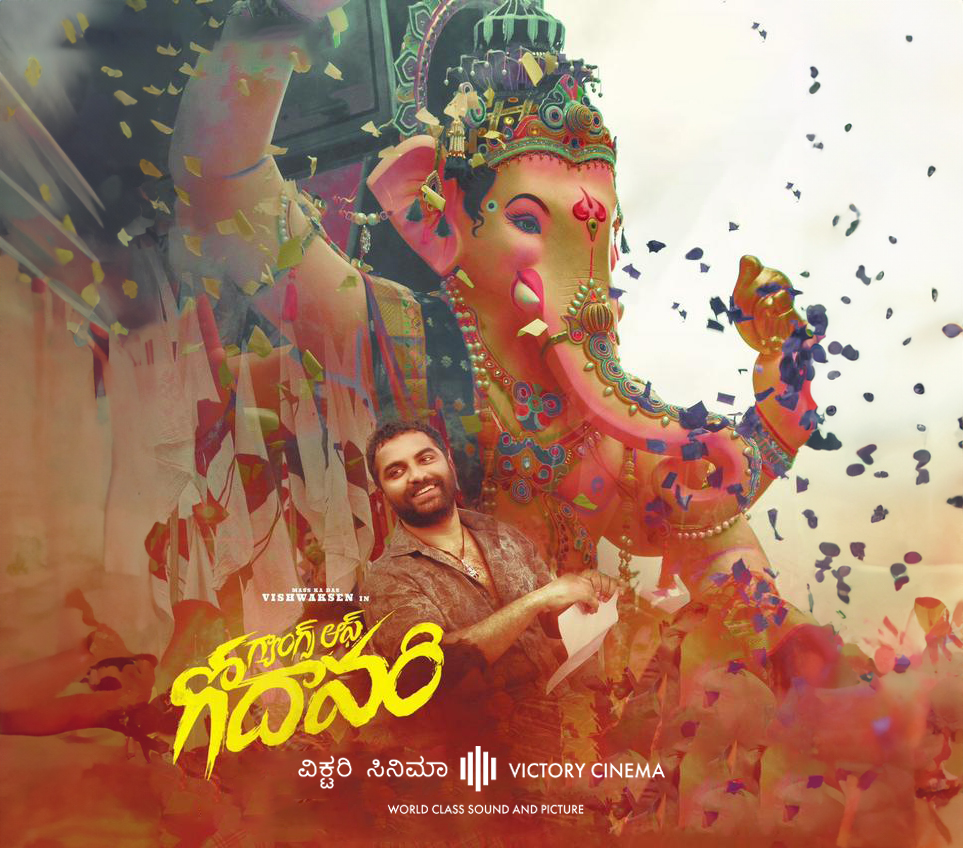
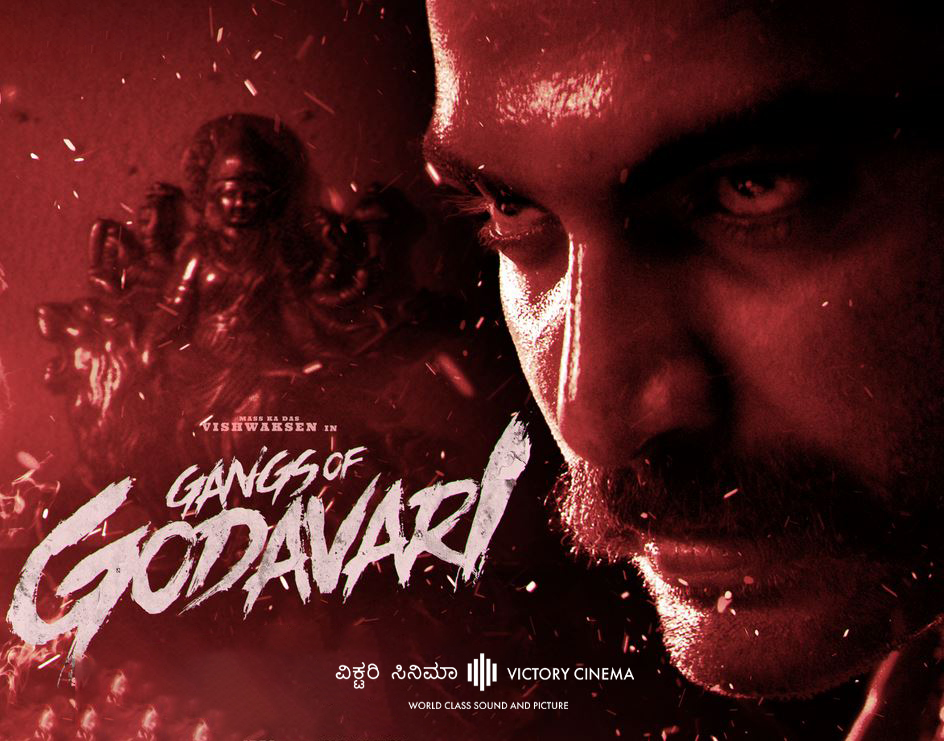
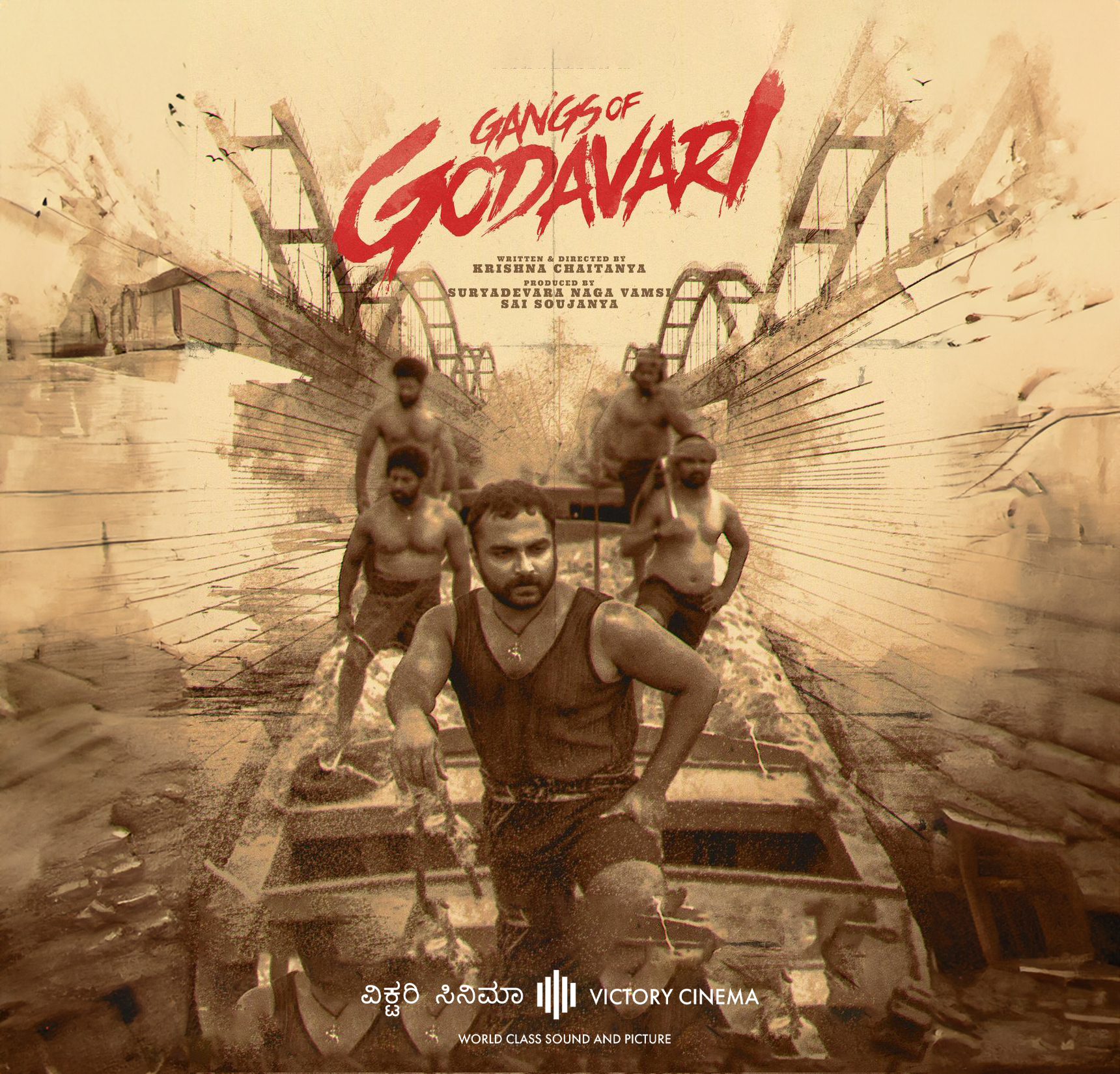
Gangs of Godavari at Victory Cinema Gangs of Godavari enters the politically charged and dangerous world of the Godavari region through Lankala Ratnakar, known as Ratna, a fiercely ambitious man determined to rise beyond the limitations of his birth and circumstances. Ratna begins as a petty criminal surviving through courage, calculation and an ability to understand the people around him. His ambitions gradually carry him towards gang rivalries and regional politics, where influence can offer protection but also create enemies capable of striking from within his closest circle. Vishwak Sen leads the film as Ratna, with Neha Shetty, Anjali, Nassar and Sai Kumar appearing in prominent roles. Written and directed by Krishna Chaitanya, the Telugu action, crime and drama film releases theatrically on 31 May 2024 with a U/A certificate and an approximate running time of two hours and twenty-six minutes. Victory Cinema presents Gangs of Godavari in Telugu with English subtitles for audiences from across Bengaluru. Check the latest showtimes, select your preferred seats and book directly on victorycinema.in without booking fees. Lankala Ratna refuses to remain powerless Vishwak Sen plays Lankala Ratna, a young man who understands that survival in his world requires more than honesty or patience. Ratna begins as a petty thief from a tribal community and gradually transforms into a feared gangster and political figure. Vishwak Sen described the character before release as someone whose journey takes him from small-time crime into the centre of power. The actor also trained to replace his familiar Telangana speech with the West Godavari dialect required for the role. The transformation gives the film its central dramatic movement. Ratna is not born into authority and cannot depend upon inherited wealth or political connections. Every step upward must be taken through boldness, alliances and a willingness to enter conflicts that more cautious people would avoid. His intelligence allows him to recognise opportunity, but ambition steadily changes the way others see him. Friends may begin treating him as a leader, established power brokers may view him as a useful instrument and rivals may decide that he must be stopped before his influence grows further. Ratna’s rise consequently creates the conditions for his greatest danger. The more power he acquires, the more difficult it becomes to know whether the people surrounding him are loyal, frightened or patiently waiting for an opportunity to betray him. A Godavari world beyond familiar beauty Telugu cinema often celebrates the Godavari region through fertile landscapes, river journeys, festivals and affectionate family stories. Gangs of Godavari approaches the same geography through its hidden tensions, local hierarchies and violent struggles for influence. Director Krishna Chaitanya explained before release that the film is completely fictional and intended to look beyond the romanticised image commonly associated with the region. He described the story as an emotional roller-coaster and emphasised that danger can come from within one’s own circle, giving the drama a thematic connection to stories of internal rivalry and betrayal. The river and coastal environment remain visually important, but they do not guarantee peace. Boats, roads, village gatherings and political spaces become part of a world where reputation is carefully guarded and private ambition may be concealed behind public friendship. Ratna learns to operate inside that environment. He must understand which people command respect, who controls money and land, and how quickly an alliance can change once political power becomes available. Neha Shetty as Bujji Neha Shetty plays Bujji, whose relationship with Ratna brings romance and personal emotion into his increasingly dangerous rise. Bujji encounters Ratna before political influence completely reshapes him. She can therefore recognise the man beneath the public reputation and challenge the choices he makes while pursuing power. Their relationship gives Ratna something personal to protect, but it also creates vulnerability. A man surrounded by enemies may attempt to hide affection because the people closest to him can become targets. Neha Shetty’s presence adds warmth and colour to the Godavari setting while also allowing the film to examine whether love can remain uncomplicated when one partner becomes absorbed by crime, status and political rivalry. The official cast information places Neha Shetty alongside Vishwak Sen, Anjali and Nassar as one of the film’s principal performers. Anjali as Rathnamala Anjali plays Rathnamala, a formidable woman whose personality and influence make her one of the strongest figures in Ratna’s world. Rathnamala is not positioned merely as an observer of the conflict between men. Her choices, loyalties and understanding of power allow her to shape the direction of events. Anjali’s role brings another kind of authority to the action drama. Rathnamala has learned how to survive in an environment where direct confrontation is only one method of gaining control. She can assess weakness, recognise ambition and understand the value of information. Her relationship with Ratna is therefore marked by both recognition and uncertainty. She may see his potential before others do, but she also understands that a man determined to rise can become impossible to control. Director Krishna Chaitanya highlighted Anjali among the film’s important performers during the pre-release campaign and described the ensemble as central to the emotional experience he wanted to create. Politics as another form of warfare Ratna’s movement into politics does not remove him from the world of gangs. It gives existing rivalries a new arena. Political influence can provide access to institutions, local leaders and people capable of turning physical power into lasting authority. It can also attract opponents who are more patient and organised than ordinary street rivals. The film explores a form of politics shaped by personal loyalty, caste and community equations, land, money and the ability to mobilise groups of supporters. Ratna understands that public image is as important as private strength. A feared man may control a small territory, but a political leader can attempt to shape the future of an entire region. Vishwak Sen described Ratna as a gangster who becomes a politician, while the film’s official synopsis and promotional material present his journey as a determined rise through the crime and political worlds of the Godavari region. The transition also tests Ratna’s identity. He may learn how to speak like a leader and command public attention, but the methods that helped him survive as a criminal continue following him into his new position. The enemy may be close Gangs of Godavari builds suspense around the idea that the greatest threat may not come from a clearly identified outsider. Director Krishna Chaitanya connected the story to the principle that an enemy can emerge from within one’s own circle. That idea transforms every friendship and alliance into a possible source of danger. Ratna’s rise depends upon people who provide information, protection and support. Yet those same relationships may contain jealousy, disappointment or conflicting ambition. A person who helps him gain power may later believe that Ratna has forgotten an earlier promise. A political ally may view his popularity as a threat. A family member or trusted associate may decide that personal survival requires changing sides. The drama therefore asks Ratna to distinguish between genuine loyalty and temporary convenience. Physical courage can help him survive an open attack, but betrayal is more difficult because it arrives through someone already trusted. Krishna Chaitanya’s fictional political drama Krishna Chaitanya writes and directs Gangs of Godavari as his third feature after Rowdy Fellow and Chal Mohan Ranga. He described the new film as completely fictional and emotionally driven rather than a direct account of particular people or incidents. His intention was to create a distinctive Godavari story built around a protagonist whose ambition affects both his public rise and private relationships. The screenplay combines crime, action, romance and political drama without treating “gangs” as a reference only to conventional gangsters. Groups can form around family, locality, political loyalty or economic interest, and their conflicts may be fought through reputation and influence as well as weapons. Suryadevara Naga Vamsi and Sai Soujanya produce the film under Sithara Entertainments and Fortune Four Cinemas, with Srikara Studios also associated with the production. The production gives Vishwak Sen a rugged rural character distinct from several of his earlier urban roles, while the ensemble allows Ratna’s rise to be seen through the people who admire, love, use or oppose him. Anith Madadi’s rural cinematography Anith Madadi handles the cinematography, capturing the riverbank environment, village settlements, political gatherings and action spaces surrounding Ratna’s journey. Navin Nooli serves as editor, while Gandhi Nadikudikar leads the production design. The visual presentation must preserve the recognisable beauty of the Godavari landscape while revealing the tension hidden within it. Open river spaces can create a sense of freedom, yet the people travelling across them may be carrying weapons, secrets or political instructions. Village streets can appear familiar and communal during the day before becoming threatening when rival groups gather. Costumes, houses, boats, meeting spaces and public events help locate Ratna within a rural political culture rather than an anonymous urban criminal world. Navin Nooli’s editing supports the transition from Ratna’s early survival to his increasingly complicated position. As more characters and alliances enter the story, the film must keep the audience connected to how each decision changes the balance of power. Action driven by ambition and betrayal The action in Gangs of Godavari emerges from Ratna’s refusal to remain subordinate. Every confrontation carries a connection to territory, reputation or political control. A fight may begin as retaliation for an insult but later influence how an entire community views Ratna. Pruthvi Shekar is credited with the film’s fight choreography, while the official trailer presents blade fights, public clashes, river-based movement and confrontations involving groups rather than isolated opponents. The rural setting changes the texture of the action. Characters move through boats, fields, narrow roads and crowded settlements where bystanders may quickly become witnesses or participants. Vishwak Sen’s physical performance supports Ratna’s transformation from an opportunistic thief into someone capable of commanding a gang. Yet strength alone cannot secure his future. Each violent victory creates additional resentment and encourages another opponent to begin planning revenge. Yuvan Shankar Raja’s soundtrack Yuvan Shankar Raja composes the songs and background score, bringing romance, celebration and dark political energy into Ratna’s world. The five-track soundtrack was released through Aditya Music on 30 May 2024. It includes “Suttamla Soosi,” “Motha,” “BAD – Gangs of Godavari Theme,” “Giri Giri” and “Maatadakunda.” “Suttamla Soosi,” performed by Anurag Kulkarni, carries a melodic romantic quality associated with Ratna and Bujji. “Motha” offers a more rhythmic and celebratory presentation, while the “BAD” theme gives Ratna a darker musical identity suited to his rise and dangerous reputation. “Giri Giri” and “Maatadakunda” expand the album’s regional and emotional range, allowing music to accompany both public spectacle and private relationships. Krishna Chaitanya praised Yuvan Shankar Raja’s contribution before release and explained that the background score received careful attention during post-production. In a theatre, the percussion, folk-influenced sounds and action themes strengthen the collective energy of Ratna’s entrances, political confrontations and moments of betrayal. Telugu with English subtitles Victory Cinema presents Gangs of Godavari in its original Telugu-language version with English subtitles. Audiences can experience Vishwak Sen’s specially developed West Godavari dialect, together with Neha Shetty, Anjali, Nassar, Sai Kumar and the supporting cast’s original performances. Vishwak Sen underwent dialect preparation so that Ratna’s speech would belong naturally to the film’s regional setting. The English subtitles help viewers follow political discussions, local expressions and rapidly delivered confrontations while preserving the rhythm and personality of the Telugu dialogue. They also make the film accessible to Bengaluru audiences from different linguistic backgrounds without replacing the original voices that give the Godavari setting its authenticity. A Telugu political action drama for Bengaluru Gangs of Godavari is created for viewers who enjoy ambitious antiheroes, rural crime stories, political conflict, strong female characters and action shaped by loyalty and betrayal. Vishwak Sen gives Ratna a combination of hunger, confidence and moral uncertainty. Neha Shetty’s Bujji connects him to love and a life beyond power, while Anjali’s Rathnamala represents a formidable presence capable of understanding the dangerous world he is entering. Krishna Chaitanya’s fictional story, Anith Madadi’s rural cinematography, Navin Nooli’s editing and Yuvan Shankar Raja’s music combine to create a theatrical journey through the Godavari region’s competing groups and ambitions. Victory Cinema welcomes Vishwak Sen fans and Telugu movie lovers from every part of Bengaluru to experience Gangs of Godavari on the big screen. Check the latest Gangs of Godavari showtimes, choose your preferred seats and book directly on victorycinema.in without booking fees. Ratna’s rise has a price Lankala Ratna begins with little except courage, intelligence and the refusal to accept a powerless life. Crime gives him recognition. Politics offers him authority. Every victory, however, creates another enemy and places greater pressure upon the relationships that once defined him. When danger begins emerging from inside his own circle, Ratna must decide how much loyalty remains in a world built upon ambition. Watch Gangs of Godavari in Telugu with English subtitles at Victory Cinema, Bengaluru. Experience Vishwak Sen, Neha Shetty and Anjali in an action crime drama filled with Godavari landscapes, political rivalry, romance, intense confrontations and Yuvan Shankar Raja’s powerful music.