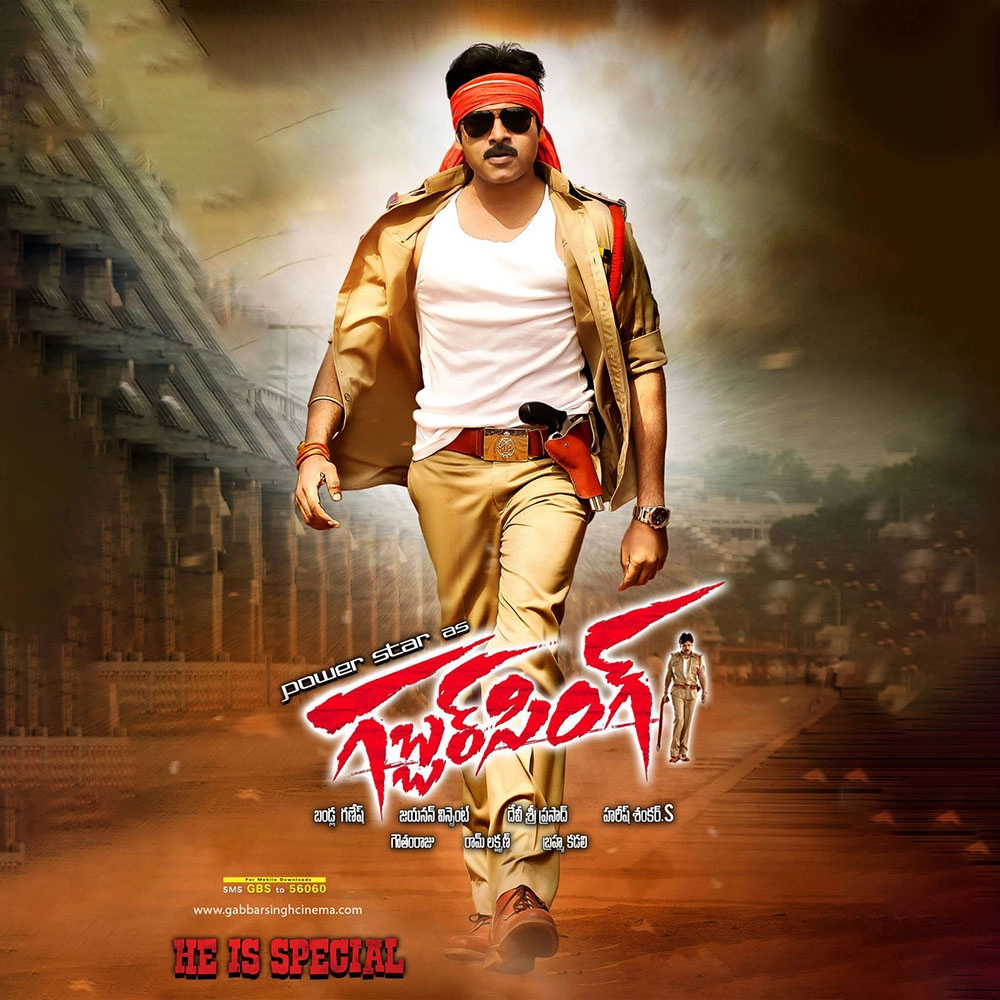
Gabbar Singh (Telugu)
- Director: Harish Shankar
- Writers: Abhinav Kashyap, Dilip Shukla, Ramesh Reddy
- Stars:
- Pawan Kalyan
- Shruti Haasan
- Abhimanyu Singh
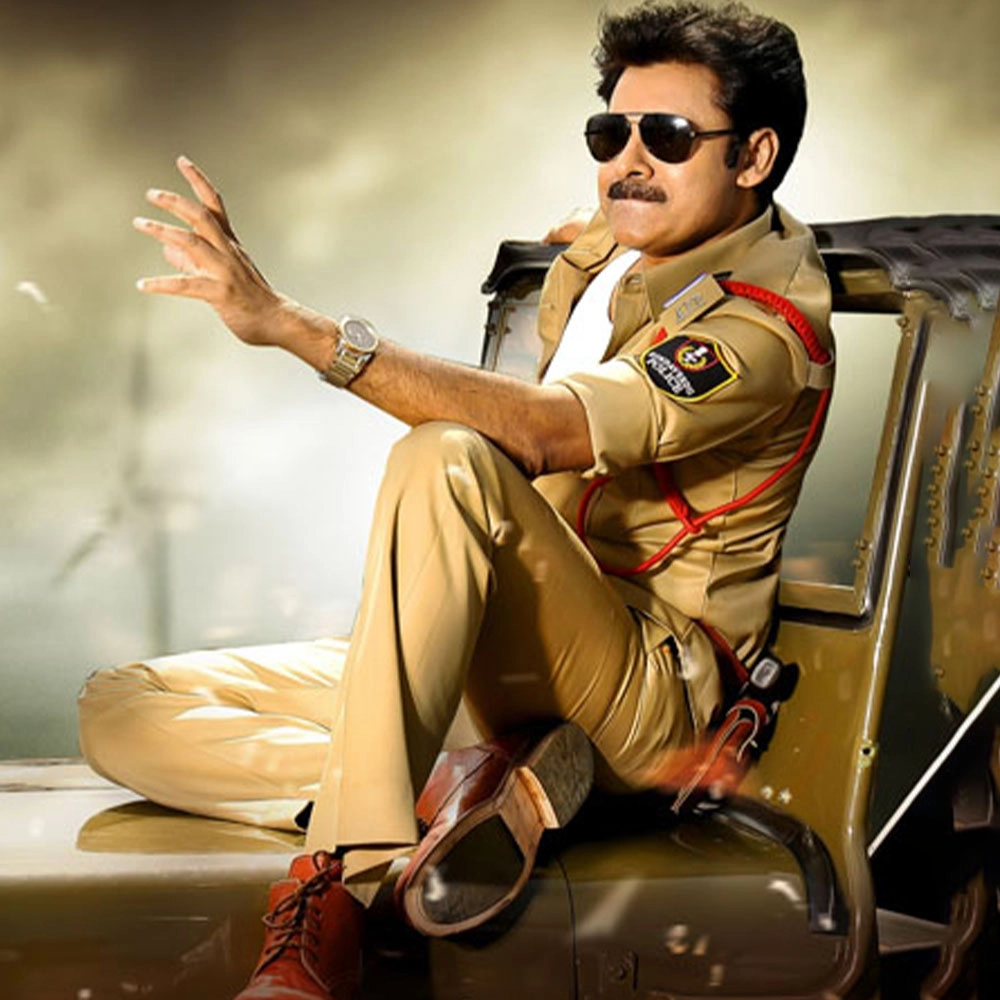
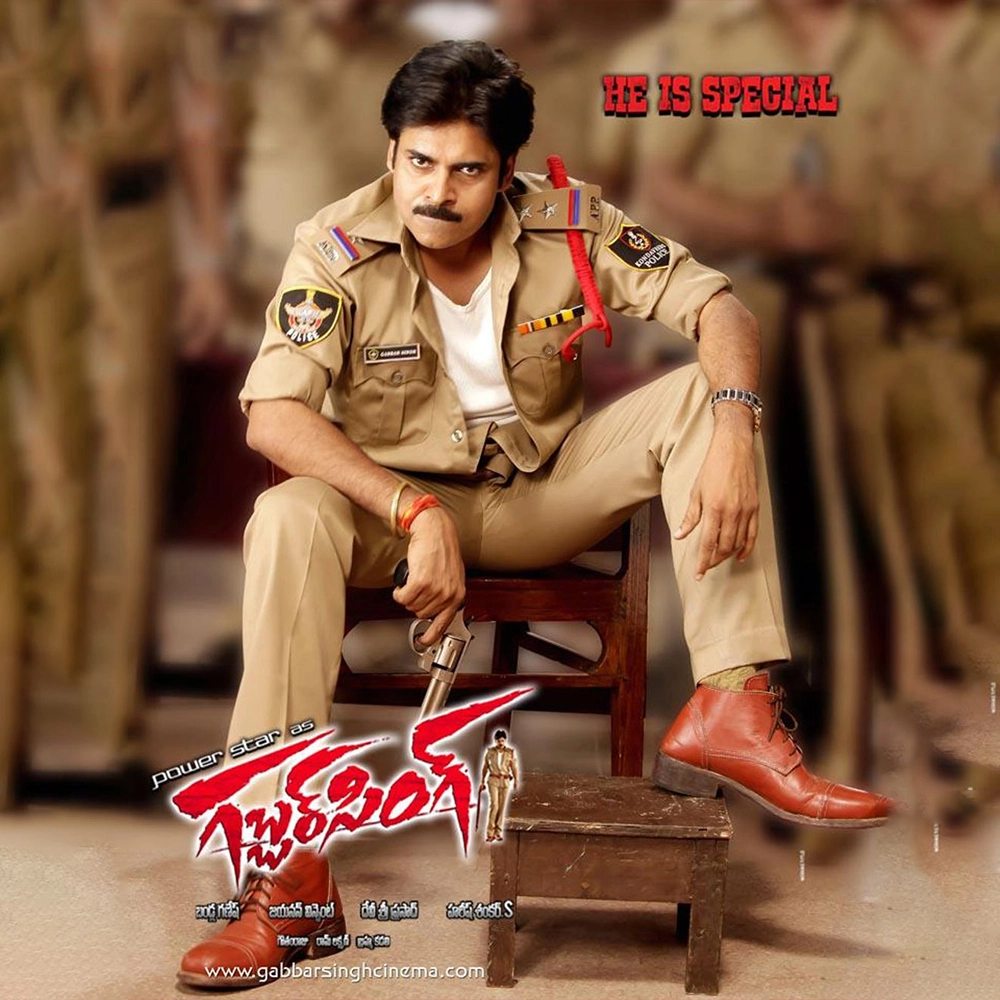
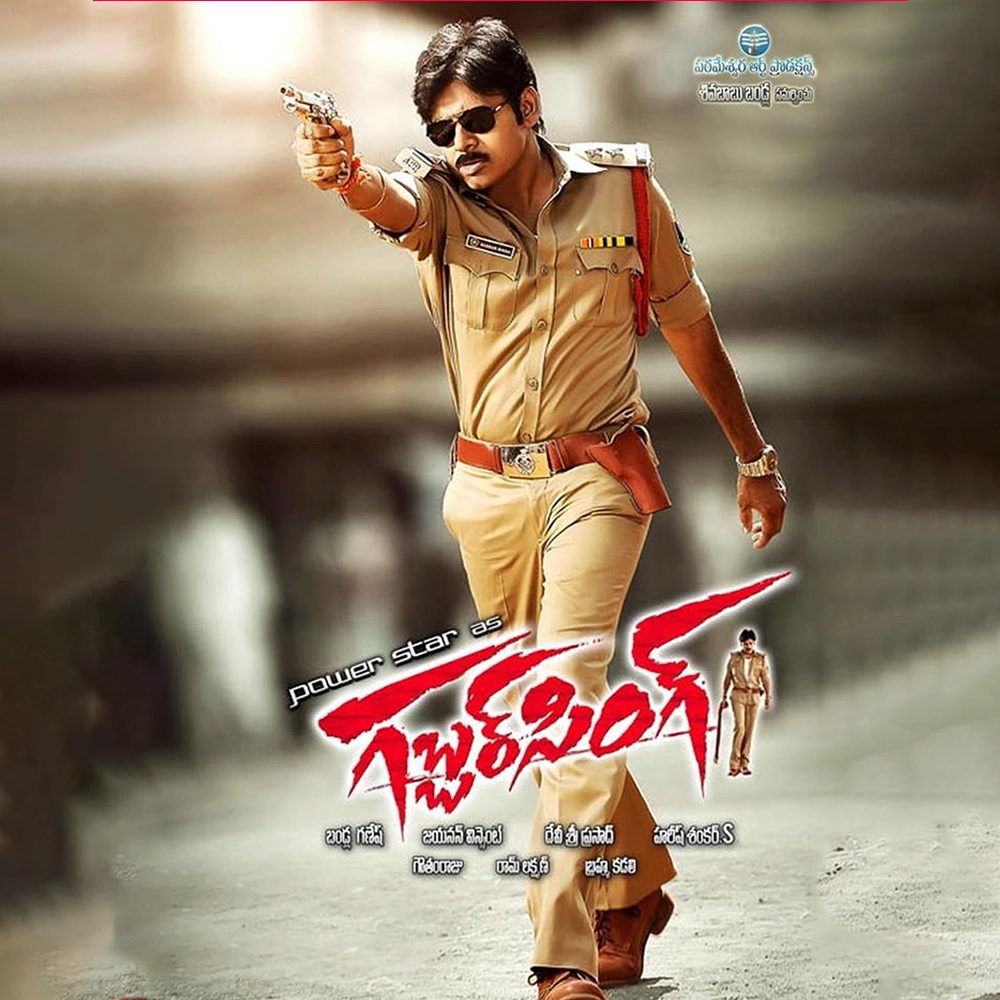
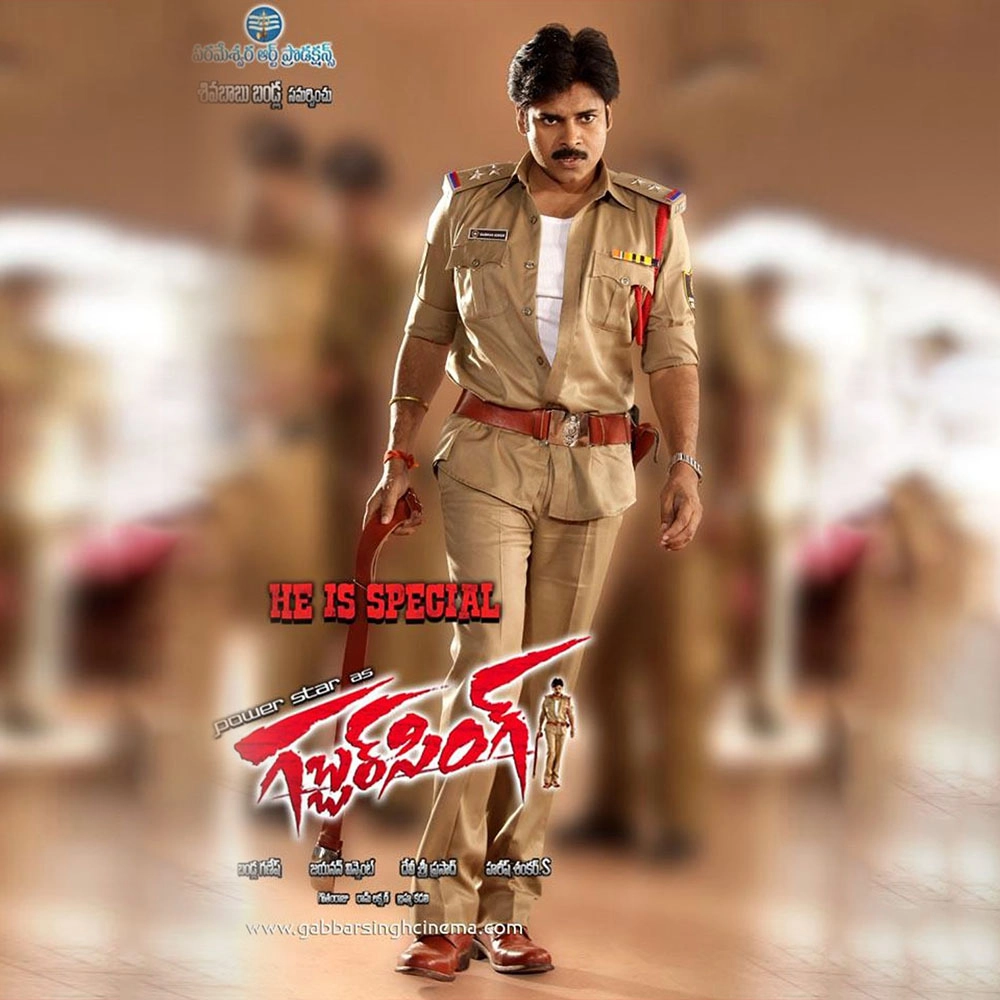
Gabbar Singh at Victory Cinema Gabbar Singh arrives at Victory Cinema as a Telugu action comedy built around the swagger, humour and unpredictability of Pawan Kalyan’s police officer. Venkataratnam Naidu, fascinated by the famous villain from Sholay, adopts the name Gabbar Singh and grows into a fearless cop with his own methods. When he is posted to Kondaveedu, he confronts the politically ambitious Siddhappa Naidu, whose criminal influence threatens the village. Directed by Harish Shankar and produced by Bandla Ganesh, the film opened on May 11, 2012. Victory Cinema presents Gabbar Singh in Telugu for Bengaluru audiences seeking mass action, romance, comedy and unforgettable heroism. Pawan Kalyan as Gabbar Singh Pawan Kalyan plays Venkataratnam Naidu, better known by the name he chooses for himself: Gabbar Singh. His childhood is marked by conflict with his stepfather and resentment towards his younger half-brother, leaving him distant from the family he loves. As a police officer, he carries that rebellious energy into his work, refusing to behave like a conventional representative of authority. Gabbar can be playful one moment and explosive the next, using humour, confidence and physical force against criminals. Pawan Kalyan’s screen presence gives the character rhythm, making every confrontation feel like a performance of personality as much as power today. Shruti Haasan as Bhagyalakshmi Shruti Haasan plays Bhagyalakshmi, a handicraft seller who becomes the centre of Gabbar Singh’s romantic attention. Their relationship introduces warmth and humour into a story dominated by policing, criminal ambition and family tension. Gabbar approaches love with the directness that defines his public personality, but Bhagyalakshmi has responsibilities that prevent her from accepting his proposal. Her concern for her father gives the romance emotional weight and forces Gabbar to recognise that affection cannot be commanded like obedience. The songs and lighter scenes around the couple contrast with the larger conflict, giving audiences a romantic thread connected to the hero’s growth. Abhimanyu Singh as Siddhappa Naidu Abhimanyu Singh plays Siddhappa Naidu, the local strongman whose ambition extends beyond crime into electoral politics. He wants power, influence and the respectability that political office can provide, but Gabbar Singh sees through the image he constructs. Their rivalry begins because the police officer refuses to cooperate with Siddhappa’s illegal activities and grows into a contest of ego, strategy and authority. Siddhappa cannot easily intimidate Gabbar, while Gabbar refuses to be transferred, bought or silenced. The villain therefore attacks indirectly, targeting relationships and vulnerabilities around the hero. Their conflict drives the action and gives every comic victory a dangerous consequence. Family beneath the swagger Suhasini Maniratnam, Ajay and the family ensemble give Gabbar Singh an emotional conflict beyond his battle with Siddhappa. Gabbar deeply loves his mother, yet years of resentment have damaged his relationship with his stepfather and younger brother. Ajay’s impulsive behaviour and financial troubles create tension, especially when outside forces try to exploit division within the household. Gabbar’s public confidence cannot automatically repair these private wounds. The family track shows a man who can dominate criminals but struggles to speak honestly with those closest to him. Reconciliation, grief and responsibility therefore become important parts of his journey alongside romance and action. Harish Shankar’s mass-entertainer approach Harish Shankar directs Gabbar Singh as a Telugu adaptation of the Hindi film Dabangg while reshaping its attitude, dialogue and comic energy around Pawan Kalyan. The result is designed as a star-driven entertainer rather than an exercise in imitation. Harish uses the story of a rebellious policeman and corrupt local politician as a framework for punch dialogues, eccentric behaviour, songs and hero moments. The film moves quickly between police-station comedy, romance, family drama and confrontations with Siddhappa. That mixture gives the narrative variety while keeping Gabbar Singh’s personality at the centre of almost every major sequence from beginning to climax. Kondaveedu and the struggle for power The Kondaveedu setting gives the story a social arena. Siddhappa wants the village to fear him because fear can be converted into political support, silence and control. Gabbar Singh disrupts that system by reopening spaces, challenging henchmen and refusing to recognise the criminal leader’s authority. His methods are exaggerated for cinema, but the conflict remains easy to understand: one man wants institutions to serve private ambition, while the other uses his uniform to stop that takeover. Markets, police stations, homes and gatherings become stages where the struggle for influence plays out. Every victory changes who the villagers believe holds power. Comedy at the heart of the action Comedy is central to Gabbar Singh’s identity, through the hero’s interactions with constables, criminals and people who expect a police officer to behave predictably. Brahmanandam, Ali and performers add comic timing around Pawan Kalyan’s eccentric mannerisms and sudden shifts in mood. The humour does not require the action plot to disappear; instead, it often grows from authority being turned upside down. Gabbar can interrogate, threaten, dance or joke within the situation, creating an unpredictable tone. This balance between heroism and comedy gives the film a festive theatrical quality suited to audiences who enjoy responding together to dialogue and character moments. Music by Devi Sri Prasad Devi Sri Prasad composes the music for Gabbar Singh, giving the film a soundtrack designed for romance, celebration and star energy. Songs including Dekho Dekho Gabbar Singh, Akasam Ammayaithe, Pillaa, Dil Se, Mandu Baabulam and Kevvu Keka create distinct moods across the story. The title-oriented numbers strengthen Gabbar Singh’s larger-than-life personality, while romantic melodies support his relationship with Bhagyalakshmi. Kevvu Keka adds a colourful special-song sequence to the commercial package. Jayanan Vincent’s cinematography and Gautham Raju’s editing help the songs, fights and dialogue-driven scenes maintain visual momentum. In a cinema, Devi Sri Prasad’s percussion and melodies heighten the crowd experience. Action built around attitude The action in Gabbar Singh is built around attitude as much as choreography. The hero enters a confrontation certain that intimidation will not work against him, creating anticipation before the first punch. Market fights, clashes with Siddhappa’s men and the escalation allow Pawan Kalyan to combine physical movement with comic confidence. The police uniform becomes part of the character’s visual identity, but Gabbar’s behaviour remains deliberately unconventional. His victories are designed to satisfy audiences who enjoy strong hero elevations, while danger to his family prevents the conflict from remaining playful. By the climax, personal loss and political rivalry become inseparable. A complete Telugu commercial entertainer Gabbar Singh carries a U/A certificate and has a theatrical runtime of approximately two hours and thirty-three minutes. The film combines action, comedy, drama, romance and family emotion in a commercial format. Audiences should expect stylised fights, threats, political criminality and intense family situations alongside songs and humour. The original Telugu presentation preserves Pawan Kalyan’s dialogue delivery, Shruti Haasan’s performance and the supporting cast’s comic timing as intended. For Bengaluru moviegoers who enjoy Telugu star vehicles with energetic music and a strong central hero, the film offers a theatrical package built around personality, conflict and entertainment rather than restrained realism. Watch Gabbar Singh at Victory Cinema Watch Gabbar Singh at Victory Cinema and experience Pawan Kalyan as one of Telugu cinema’s entertaining police heroes. Harish Shankar surrounds him with Shruti Haasan’s warmth, Abhimanyu Singh’s political menace, Devi Sri Prasad’s energetic music and a supporting cast filled with comedy and family emotion. The battle between Gabbar Singh and Siddhappa Naidu brings together village politics, personal loyalty and action spectacle in a film designed for audience participation. Check Gabbar Singh showtimes, choose preferred seats and book directly on victorycinema.in without booking fees. Enjoy the songs, punch dialogues, romance and swagger of this Telugu entertainer on the big screen.