Bison Kaalamaadan (Tamil with English Subtitles)
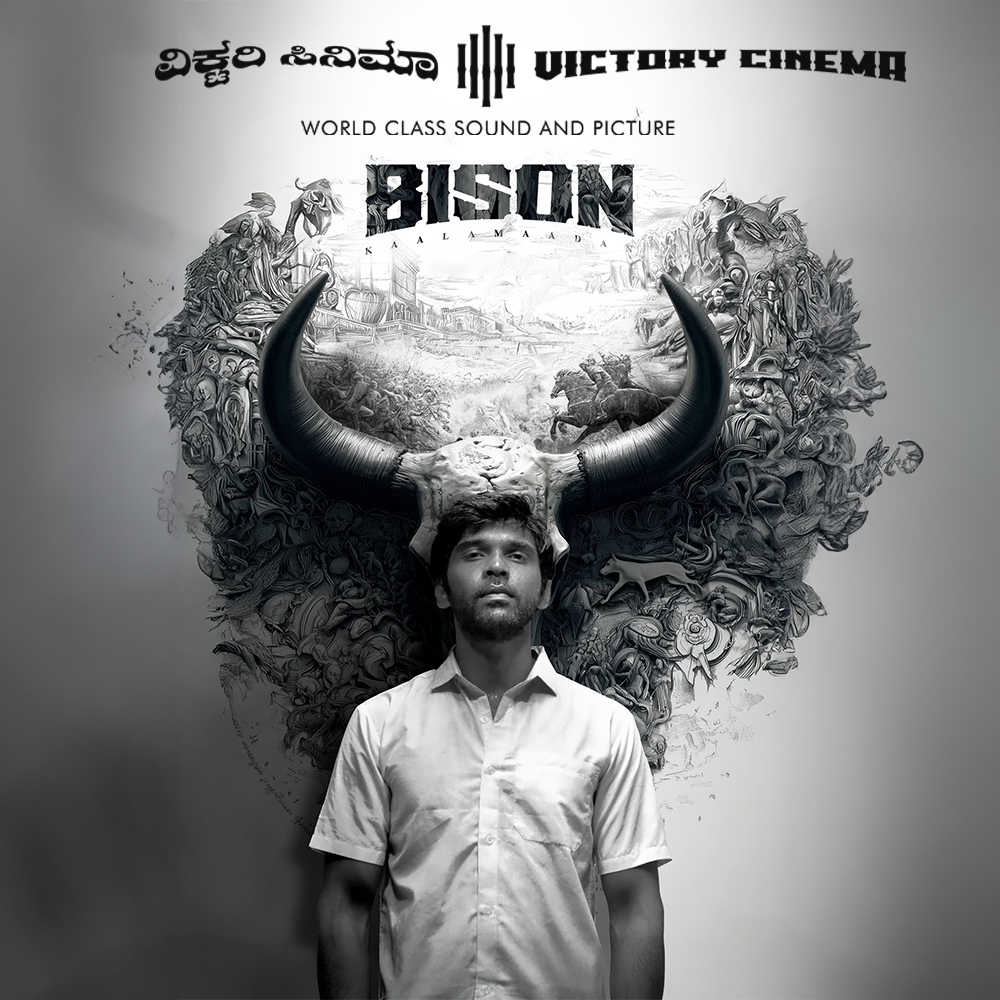
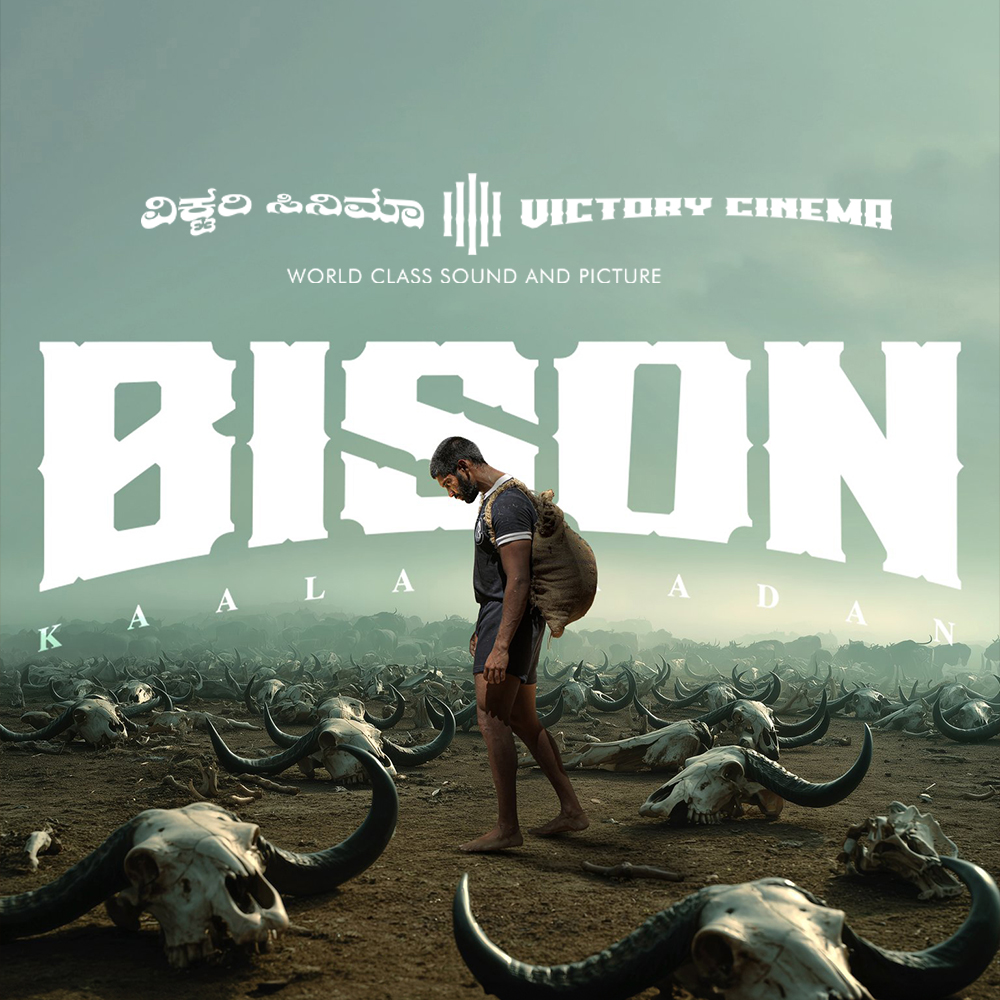
Bison Kaalamaadan is one of the most keenly anticipated Tamil films of the year, positioned as a powerful sports drama rooted deeply in social reality, personal struggle, and collective resistance. The film takes its name from the symbolic image of a bison—an animal known for brute strength, resilience, and an unyielding instinct to fight back when cornered—and that symbolism runs through the film’s narrative fabric. Set against the raw, unforgiving backdrop of rural Tamil Nadu, the story follows the life of a young man whose identity, ambition, and dignity are forged through the physically demanding and culturally rich sport of kabaddi. Rather than treating sport as mere spectacle, Bison Kaalamaadan uses kabaddi as a metaphor for survival, endurance, and reclaiming space in a society structured by invisible hierarchies and historical inequities.
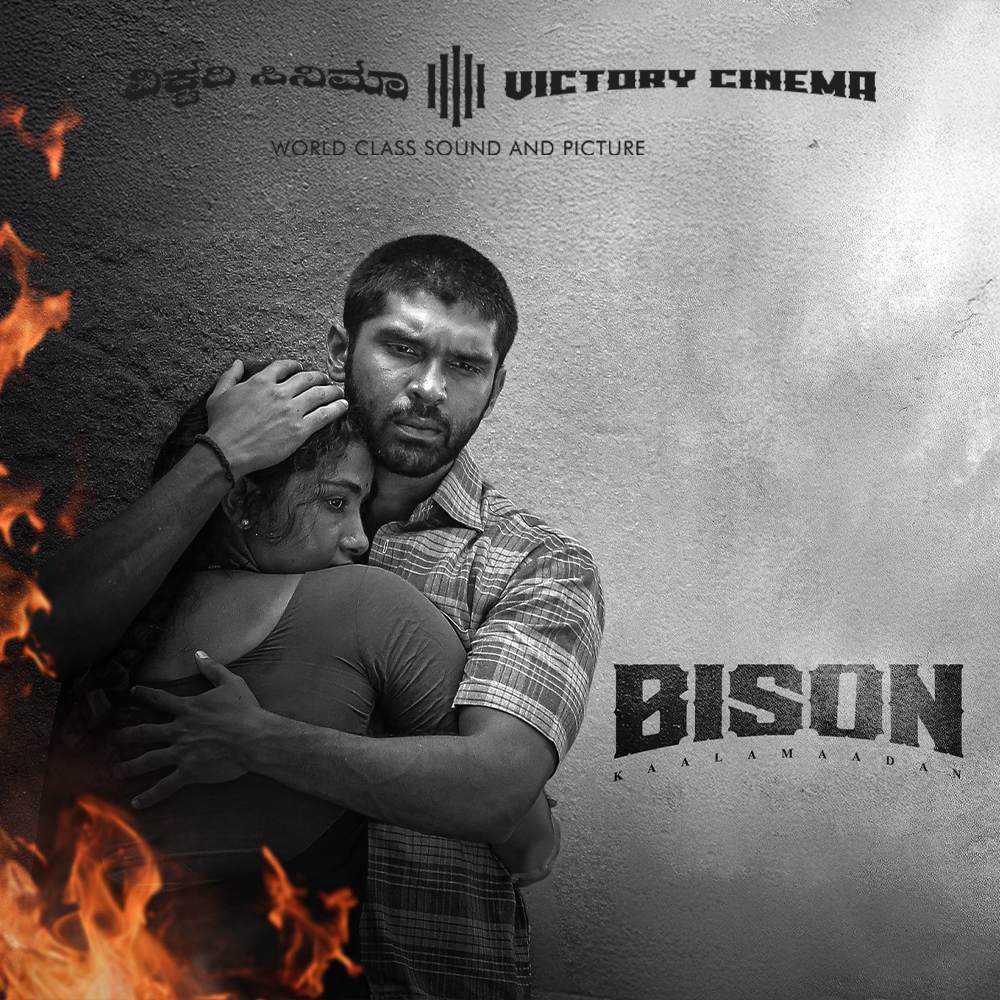
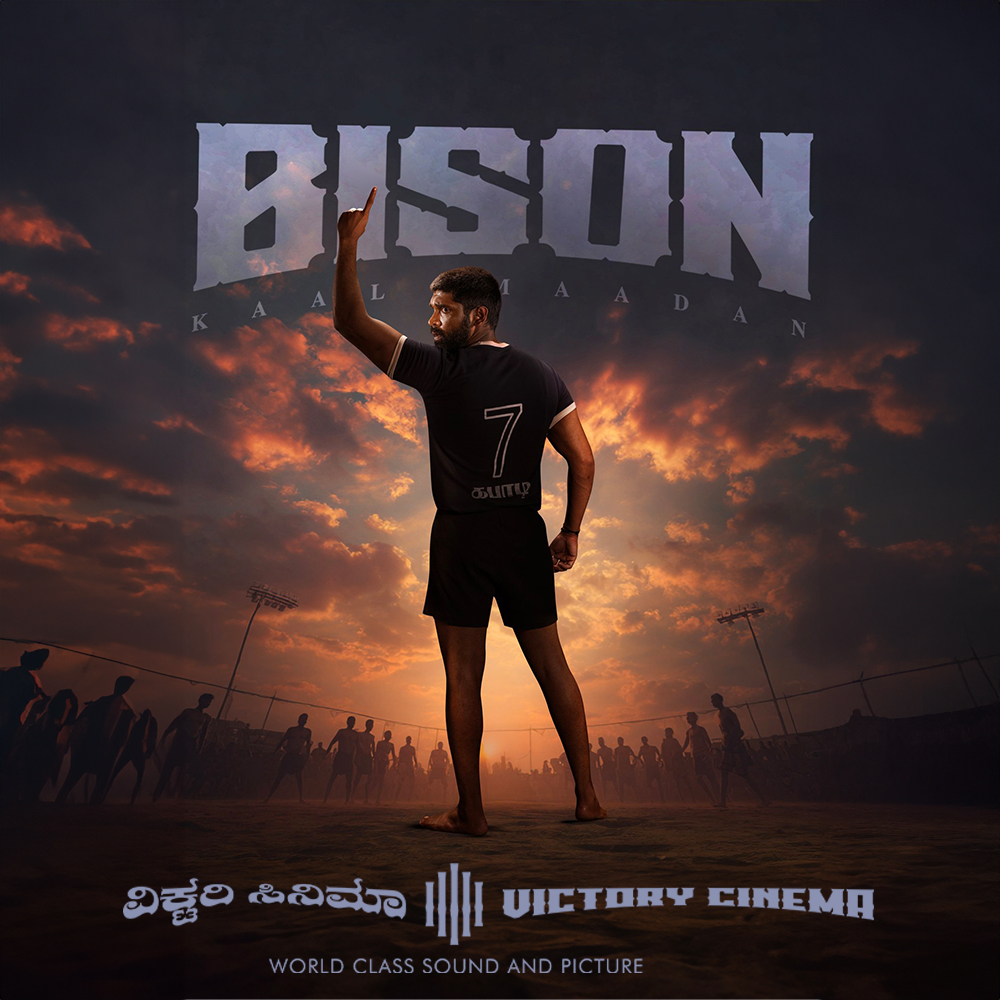
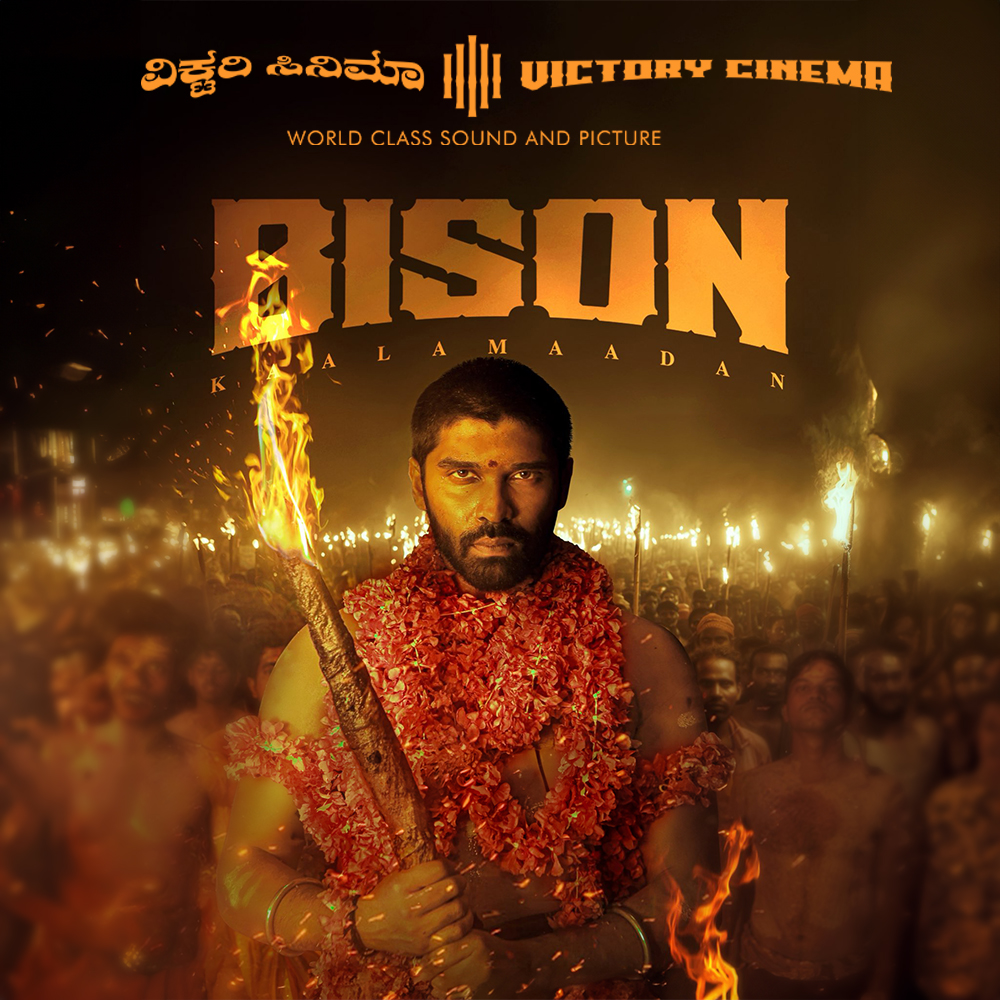
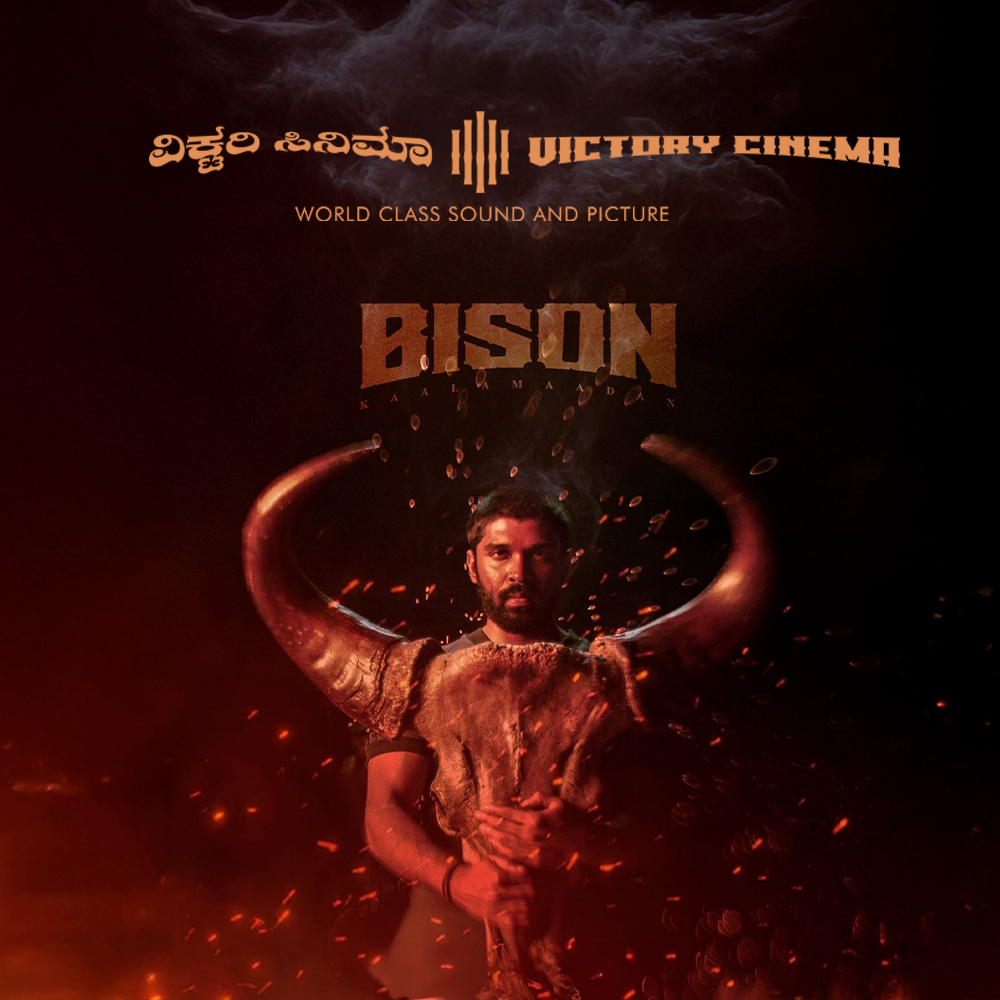
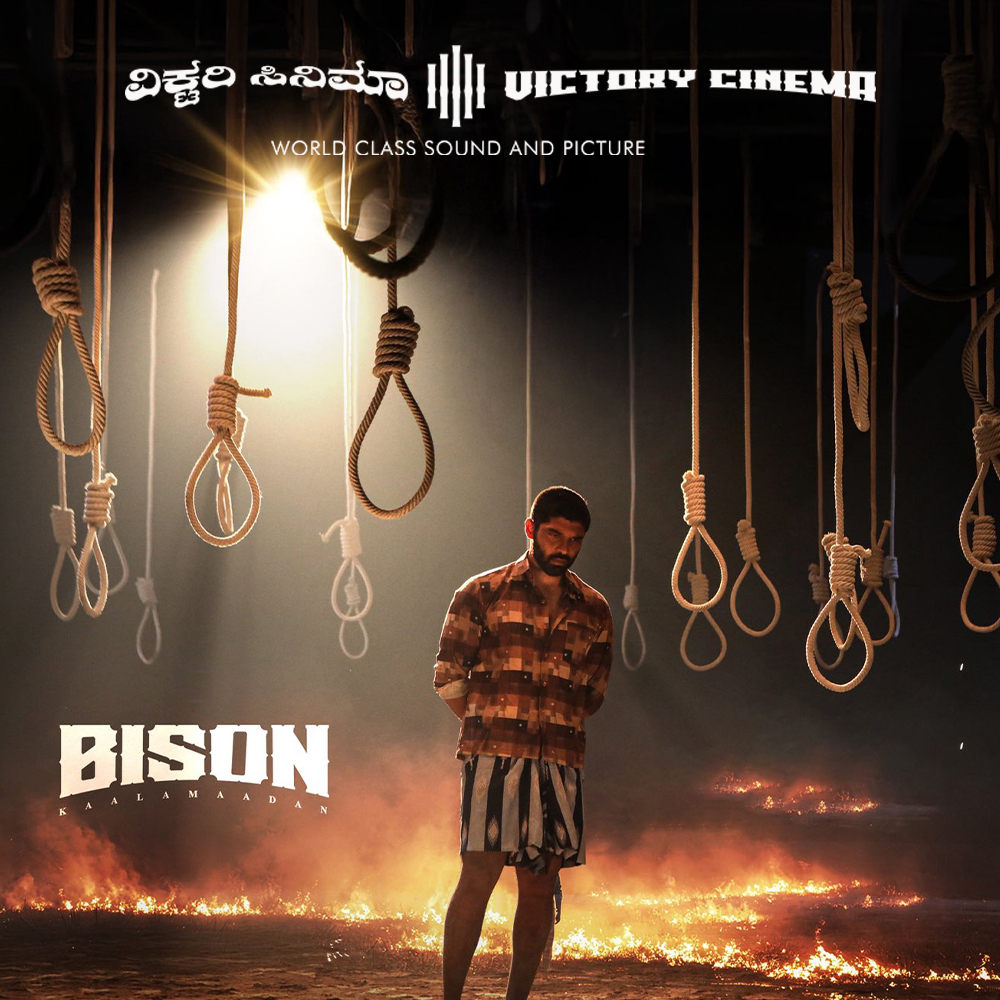
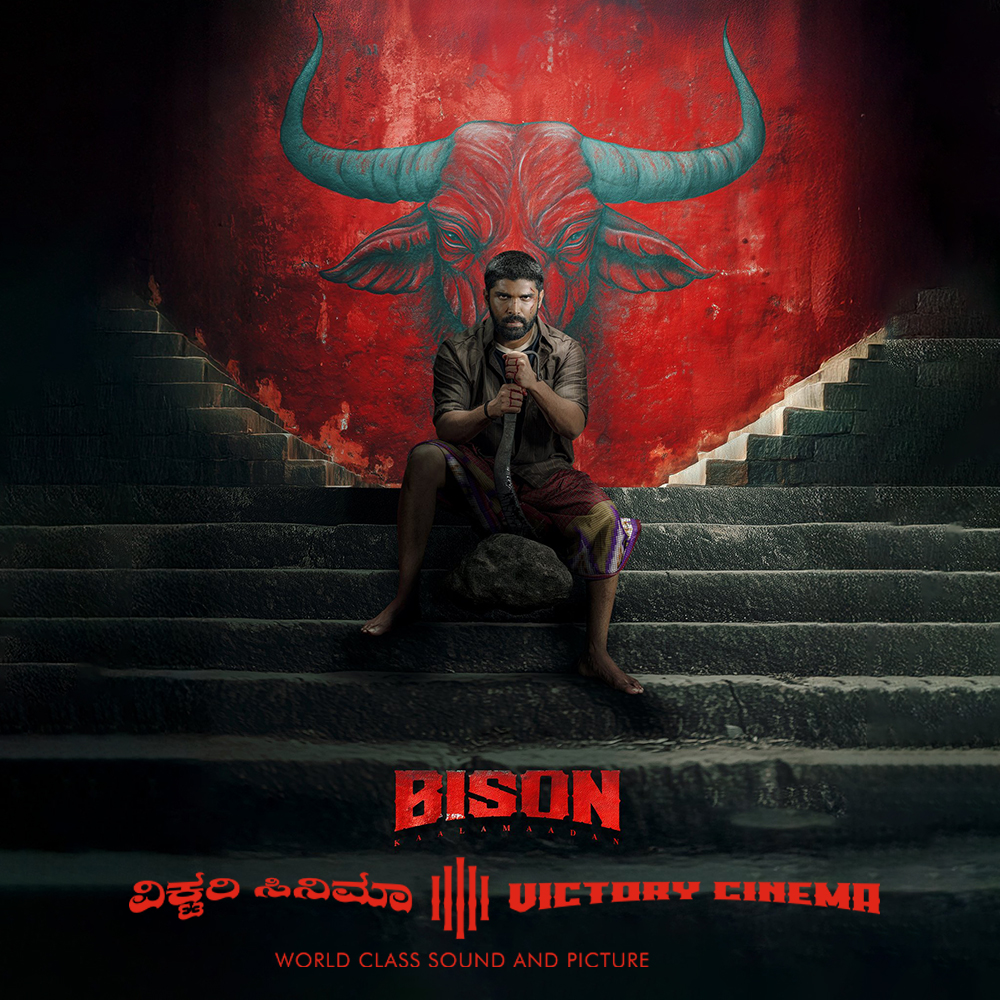
At the heart of the film is the character of Kittan Velusamy, portrayed by Dhruv Vikram, whose transformation from a gifted village kabaddi player into a figure of resistance forms the emotional spine of the narrative. Kittan is not introduced as a conventional hero; instead, he is shaped by circumstances, social limitations, and inherited wounds. His relationship with the soil, the playing field, and his community defines his worldview. The physicality demanded by kabaddi mirrors the emotional toll imposed by systemic oppression, and the film draws a parallel between the sport’s relentless push-and-pull and Kittan’s own battles against forces that seek to confine him to a predetermined role. Dhruv Vikram’s casting signals an intense, performance-driven portrayal that relies as much on physical discipline as internalised emotion, with the actor reportedly undergoing rigorous training to embody the sport authentically.
Sharing the narrative space is Anupama Parameswaran, whose character provides an emotional counterbalance to the film’s raw masculinity. Her role is not merely that of a romantic interest but that of a woman navigating her own constraints within the same socio-political environment. Through her interactions with Kittan, the film explores ideas of companionship, emotional labour, and shared aspiration in a world where dreams are often rationed by birth. Rajisha Vijayan appears in a crucial role that further expands the film’s emotional scope, portraying a character shaped by resilience and moral clarity, while veteran actor Pasupathy brings gravitas to the narrative through a performance that embodies authority, contradiction, and lived experience. Together, the ensemble contributes to a textured portrayal of a community rather than isolated individuals, making Bison Kaalamaadan as much a collective story as it is a personal one.
Directed by Mari Selvaraj, the film carries forward the filmmaker’s established cinematic voice—one that refuses to sanitise social realities while still crafting deeply human stories. Mari Selvaraj’s films are known for their unflinching engagement with caste, power, and identity, and Bison Kaalamaadan continues that tradition through the lens of sport. Kabaddi, in this context, is not a neutral playing field; it is a site where social hierarchies are both reinforced and challenged. The director’s approach reportedly avoids melodrama in favour of grounded realism, allowing moments of silence, physical exhaustion, and collective tension to speak louder than overt exposition. The rural landscapes, dust-filled grounds, and tightly packed village crowds are expected to be captured with a documentary-like immediacy, drawing viewers into a lived-in world rather than a stylised set.
The technical craft of Bison Kaalamaadan plays a significant role in shaping its immersive quality. Cinematography by Ezhil Arasu K is expected to emphasise earthy colour palettes, kinetic movement during kabaddi sequences, and intimate close-ups that register both triumph and vulnerability. The editing style reportedly favours rhythm over speed, allowing the physical strain of the sport to be felt by the audience rather than merely observed. Music composed by Nivas K Prasanna is positioned as an emotional undercurrent rather than a foreground element, with songs and background score designed to echo the cultural milieu of the setting. Folk influences, percussive rhythms, and restrained melodic lines are expected to enhance the narrative without interrupting its flow, ensuring that music serves the story rather than overshadowing it.
The production of the film, backed by Applause Entertainment and Neelam Studios, reflects a commitment to stories that sit at the intersection of artistic integrity and mainstream reach. The producers’ involvement signals confidence in the film’s ability to resonate beyond niche audiences while remaining uncompromising in its thematic focus. Shooting locations reportedly span real rural settings rather than constructed environments, lending authenticity to both the kabaddi matches and the everyday life portrayed on screen. The physical toll of filming sport sequences, often under harsh conditions, adds to the realism the film seeks to achieve, reinforcing the sense that Bison Kaalamaadan is as much felt as it is watched.
For audiences watching Bison Kaalamaadan at Victory Cinema, the experience takes on an added dimension. A film so deeply rooted in physicality, sound, and communal energy finds its fullest expression on a large screen with uncompromised audio and visual clarity. The thud of bodies colliding on the kabaddi court, the collective intake of breath from a village crowd, and the silence that follows a moment of defeat or defiance are all amplified in a theatrical environment. Victory Cinema’s uniform seating ensures that every viewer, regardless of where they sit, shares the same cinematic intensity, reinforcing the film’s own emphasis on equality within a shared space. The clarity of projection and sound allows the raw textures of the film—dust, sweat, breath, and silence—to register fully, making the viewing experience immersive rather than observational.
The availability of English subtitles further broadens the film’s reach, allowing non-Tamil speakers to engage with the narrative without losing its emotional nuance. Subtitled screenings at Victory Cinema ensure that the cultural specificity of the film is preserved while remaining accessible, an important factor for a story that derives its power from language, dialect, and local expression. Watching Bison Kaalamaadan in such an environment transforms the film into a collective experience, echoing the communal nature of kabaddi itself, where individual effort is inseparable from group dynamics.
As the film approaches release, anticipation is driven not by spectacle alone but by the promise of a story that challenges, provokes, and resonates. Bison Kaalamaadan positions itself as a film that demands engagement, inviting viewers to reflect on the forces that shape identity, ambition, and resistance. Its narrative avoids easy victories, instead presenting struggle as ongoing and dignity as something continually asserted rather than permanently secured. For audiences seeking cinema that combines emotional weight with visceral energy, the film offers an experience that is both grounded and stirring.
Booking tickets through victorycinema.in allows audiences to access this experience directly, without intermediaries or additional booking charges, aligning with the theatre’s philosophy of keeping cinema accessible while preserving its grandeur. Watching Bison Kaalamaadan at Victory Cinema is not merely about viewing a film; it is about participating in a shared moment where story, sound, and space converge. In a city crowded with viewing options, the combination of a powerful, socially rooted film and a theatre designed for uncompromised cinematic immersion makes this an experience that extends beyond entertainment into memory.