Rona (Kannada with English Subtitles)
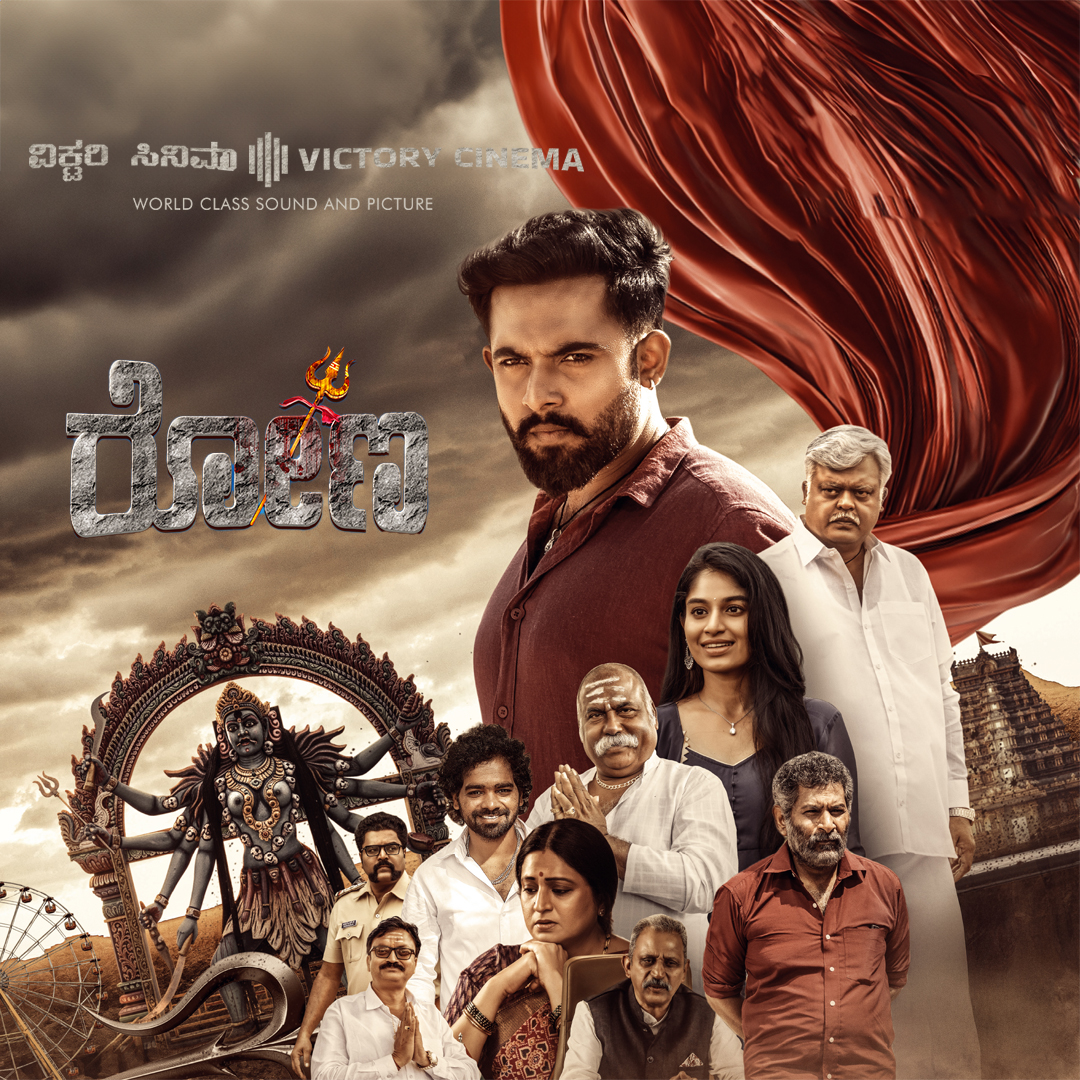
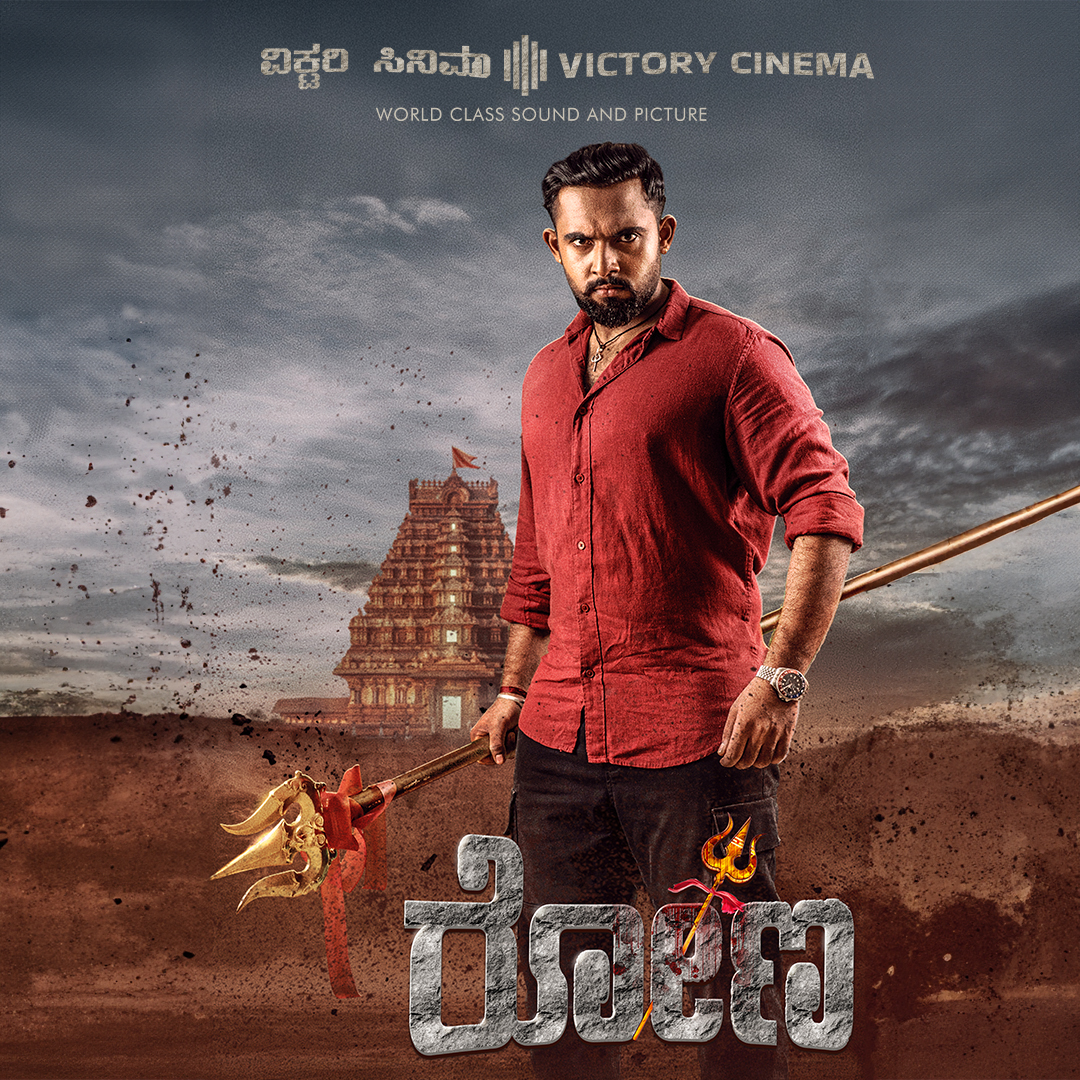
Rona is one of the Kannada film industry’s most compelling 2025 theatrical offerings, presented in Kannada with full English subtitles for broader audience access. Directed by debutant filmmaker K Satish Kumar, the film combines the energy of a social-political narrative with emotional texture rooted deeply in rural life and human relationships. As the trailer and promotional materials have shown, Rona unfolds in the backdrop of a traditional village where the rhythms of life, faith, politics, and personal journeys collide in unpredictable ways. The film’s narrative moves at a thoughtful pace that reflects the natural cadence of its setting, where a sacred fair once dormant in the village returns after years of silence, and with it comes a resurgence of old wounds, rivalries, and unanswered questions. In this environment, belief and ritual do not exist in isolation; they interact with the realities of power, responsibility, and justice in ways that both reflect tradition and challenge it.
The script of Rona was meticulously revised many times before shooting commenced, a sign of the creative thoroughness behind the project. Director K Satish Kumar, though new to feature films, brings a patient observational style to the story, one that accommodates both the larger societal forces at play and the inner complexities of its characters. The film was shot over a period of around 65 days in and around Hoskote, where the production team embraced the authentic ambience of village life to bring visual realism to the screen. This grounding in actual locations provides Rona with a credible texture: sweeping fields, dusty pathways, festive crowds and quiet domestic moments all form part of the visual language that supports the film’s thematic ambitions.
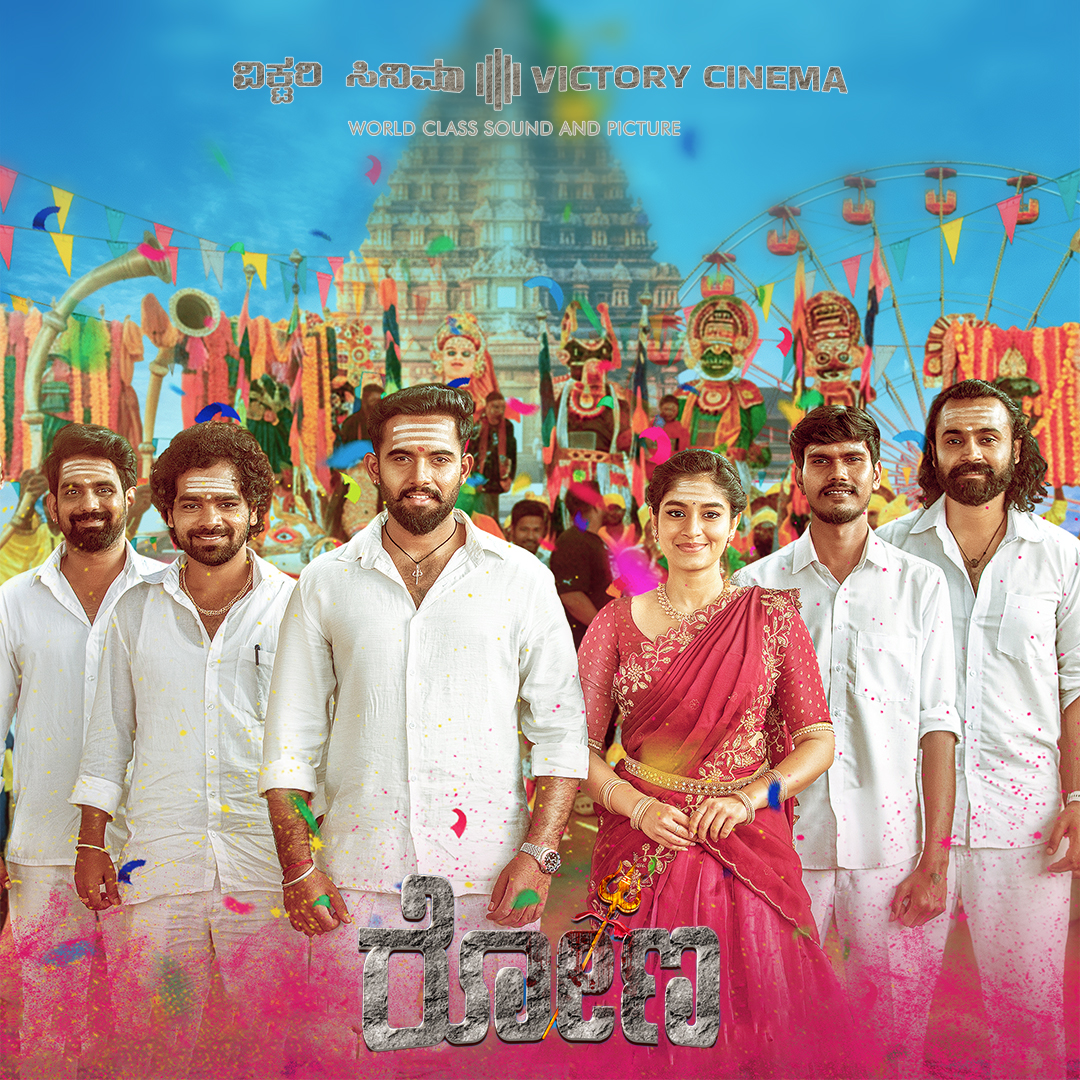
What sets Rona apart from many mainstream films is not just its story but its intention to weave multiple thematic strands—friendship, societal conflict, religious tradition, and the interplay between progress and preservation—without losing narrative focus. The annual sacred fair is not merely a backdrop but an active catalyst in the story, reawakening communal memories and stirring dormant conflicts. As the rhythms of the festival ramp up, so too do personal stakes for those involved, and the film’s pacing reflects this effective escalation of tension. Audiences will see how rituals designed for collective belonging can be repurposed into arenas of confrontation, and how individuals negotiate their roles in times of communal upheaval.
The creative team behind Rona brings together both seasoned and emerging professionals. Gagan Baderiya composed the music, providing a score that underscores the emotional core of the film while capturing the earthy tonalities of rustic Karnataka. Arun Kumar’s cinematography offers a visual palette that moves from wide natural vistas to intimate character moments, making sure that each frame feels intentional and immersive. Editing by Jnaanesh B Matad ensures that the narrative rhythm stays taut and engaged without sacrificing emotional depth. The combined contributions of these technical artists elevate the cinematic interests of the film and prepare the audience for an experience that is both visually and aurally resonant.
From a narrative standpoint, Rona explores how villages—and by extension, any tightly knit community—negotiate tradition and transformation. The sacred fair, a central plot device, is more than spectacle; it is a ritual that carries both historical memory and contemporary stakes. Its revival shines a spotlight on unresolved conflicts, social expectations, and the fragile balance between collective faith and individual agency. In this sense, Rona situates itself not just as a story about a village but as a reflective piece on how cultural legacies inform the emotional landscape of the present.
The Kannada cinema landscape has long embraced stories that explore the socio-cultural fabric of regional communities, and Rona continues this tradition while infusing it with narrative urgency suited for modern viewers. The film’s thematic ambition is to regard the rural heartland as a stage upon which universal human experiences play out—questions of leadership, loyalty, justice, betrayal, and redemption are all embedded in everyday moments, whether during council meetings or amidst festival crowds. What viewers are likely to notice is how small events accumulate into larger turning points, and how personal motivations ripple outwards affecting the community at large.
Another layer of Rona’s narrative appeal stems from its ability to balance mass accessibility with cinematic seriousness. As an action drama with political and emotional undercurrents, the film does not resort to gratuitous spectacle but uses tension and ritual to build a compelling arc. The festival sequences carry the vibrancy of traditional festivities while also signaling deeper undercurrents of conflict and power dynamics. It is this blending of celebratory imagery with narrative propulsion that positions Rona as a film that invites both emotional and intellectual engagement from its audience.
Celebrating its release in early November 2025, Rona arrives at a time when audiences are eager for stories that resonate with both cultural specificity and broader human concerns. The inclusion of English subtitles ensures that non-Kannada speakers in urban centres and beyond can engage with the narrative without linguistic barriers, expanding the film’s reach beyond regional borders and allowing it to find audiences attuned to character-driven storytelling. This accessibility reflects a growing trend in South Indian cinema toward inclusive distribution strategies and signals the filmmakers’ confidence in the universality of their story.
Experiencing Rona at Victory Cinema in Bengaluru promises to be a vivid event. Victory Cinema’s 4K RGB laser projection and immersive audio system bring out the visual richness and emotional intensity of Rona’s storytelling in ways that smaller screens cannot replicate. Watching this film surrounded by a live audience, where sound and image coalesce into a shared emotional rhythm, is a theatrical experience that underscores why cinemas remain relevant in an age of streaming. Unlike watching at home, where distractions abound, the atmosphere at Victory Cinema draws viewers into the narrative world as it unfolds—each festival scene, dramatic confrontation, and emotional transition is felt with palpable immediacy. The theatre’s premium seating and comfort further enhance the viewing experience, ensuring that every moment holds the audience’s attention and engagement. This communal immersive environment is exactly where Rona’s layered storytelling finds its most suitable expression.
Tickets for Rona are available at victorycinema.in, where patrons can book without convenience fees, select their preferred seats, and secure mobile tickets via OTP with easy online payment options. This seamless experience reflects Victory Cinema’s commitment to audience convenience and cinematic celebration.
All told, Rona stands as a significant cinematic offering in the 2025 Kannada film slate—one that embraces cultural texture, emotional resonance, and narrative ambition. Whether viewers are drawn to its political undertones, ritualistic spectacle, or dramatic arcs rooted in village life, the film is poised to offer a rich experience that rewards attentive viewing. The combination of thoughtful storytelling, technical finesse, and a captivating thematic core makes Rona a film that is not just watched but experienced.