Dies Irae (Malayalam with English Subtitles)
- Director: Rahul Sadasivan
- Writers: Rahul Sadasivan
- Stars:
- Pranav Mohanlal
- Sushmitha Bhat
- Shine Tom Chacko
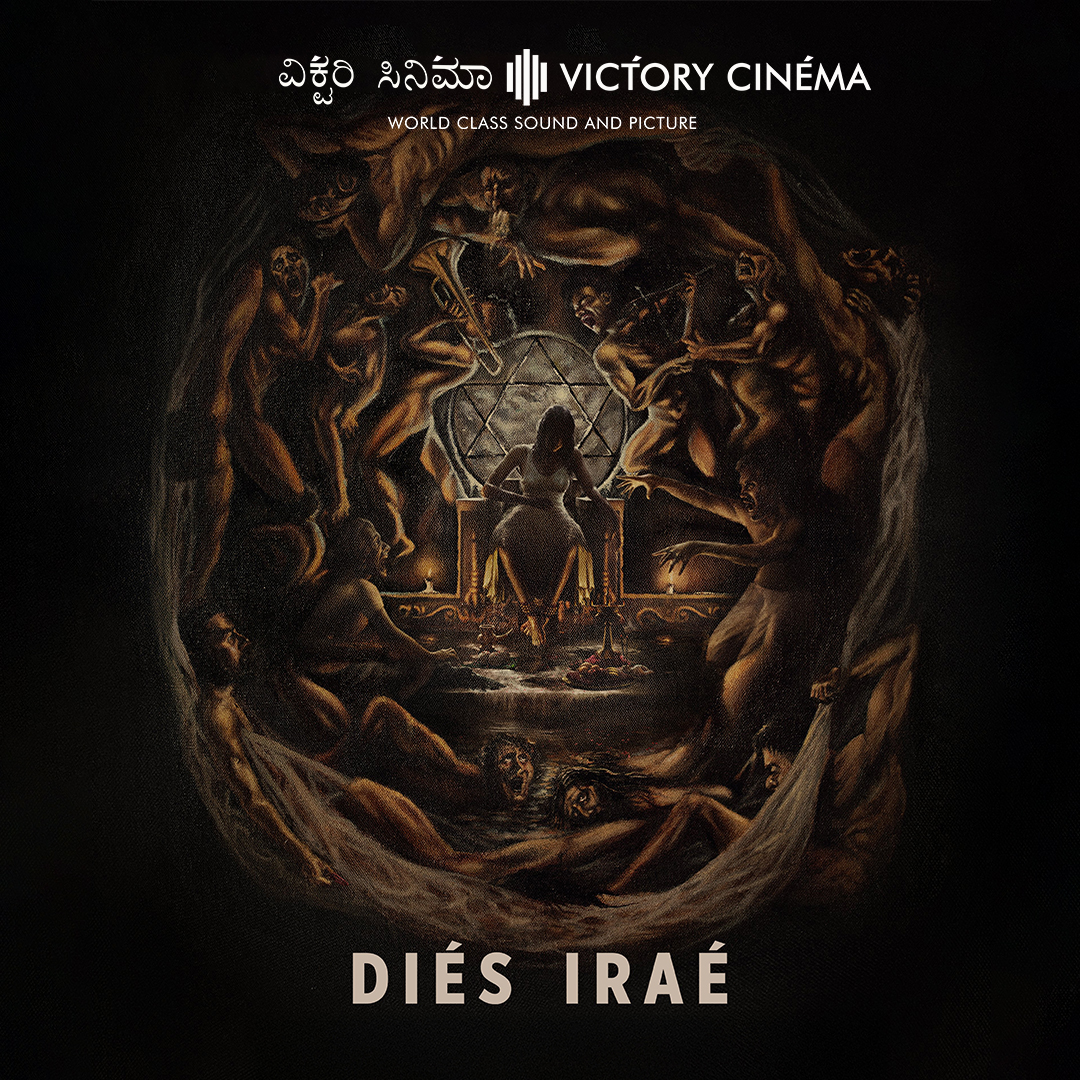
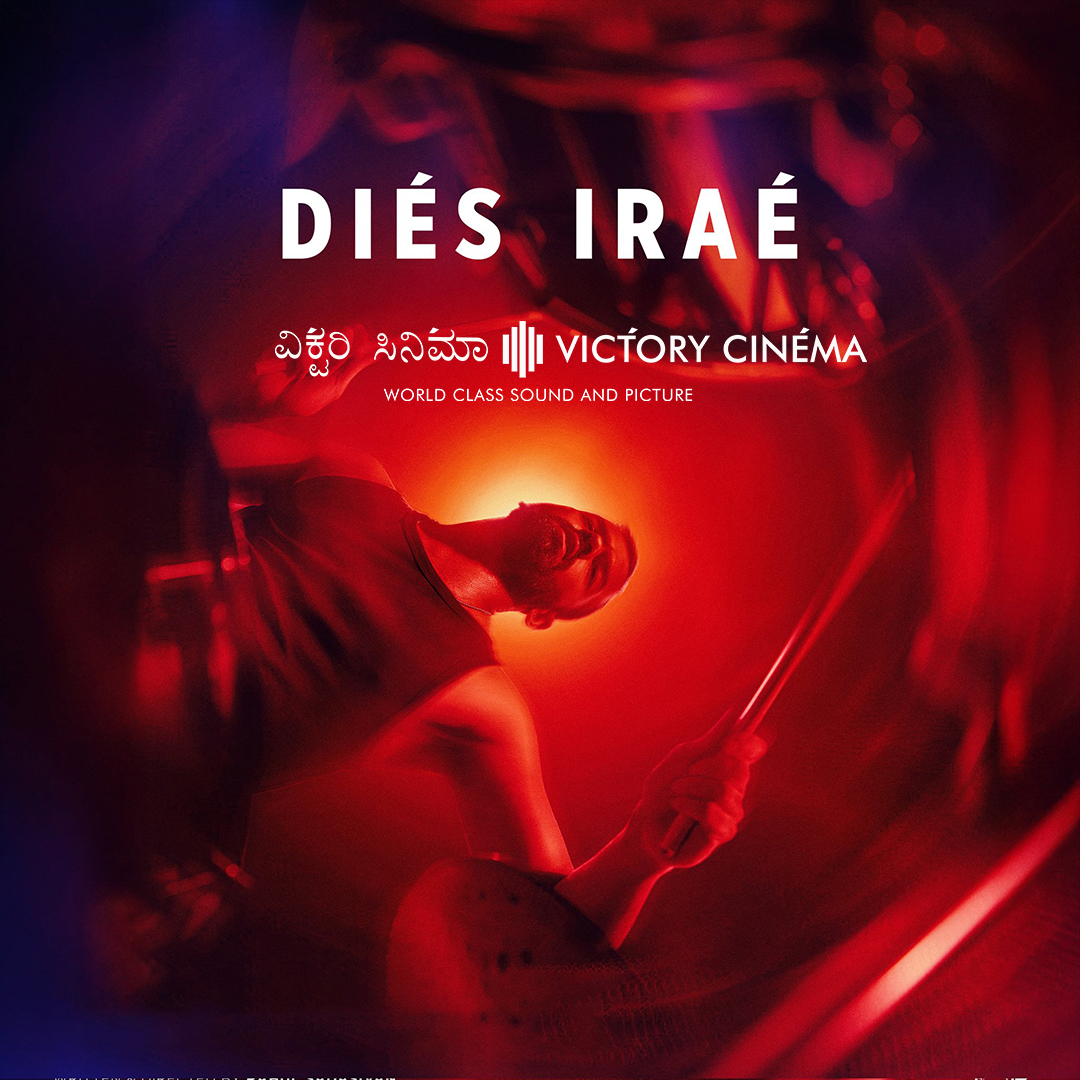
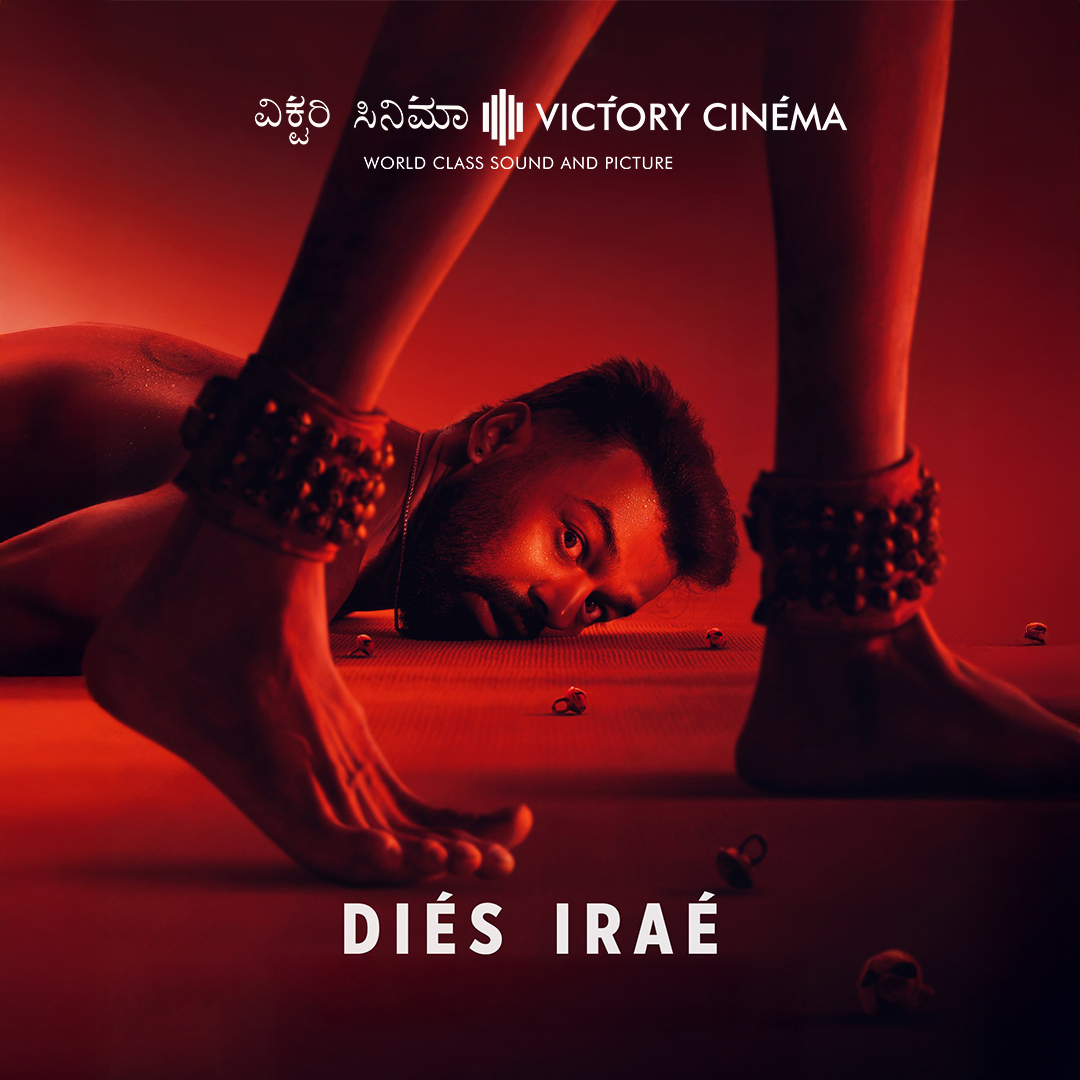
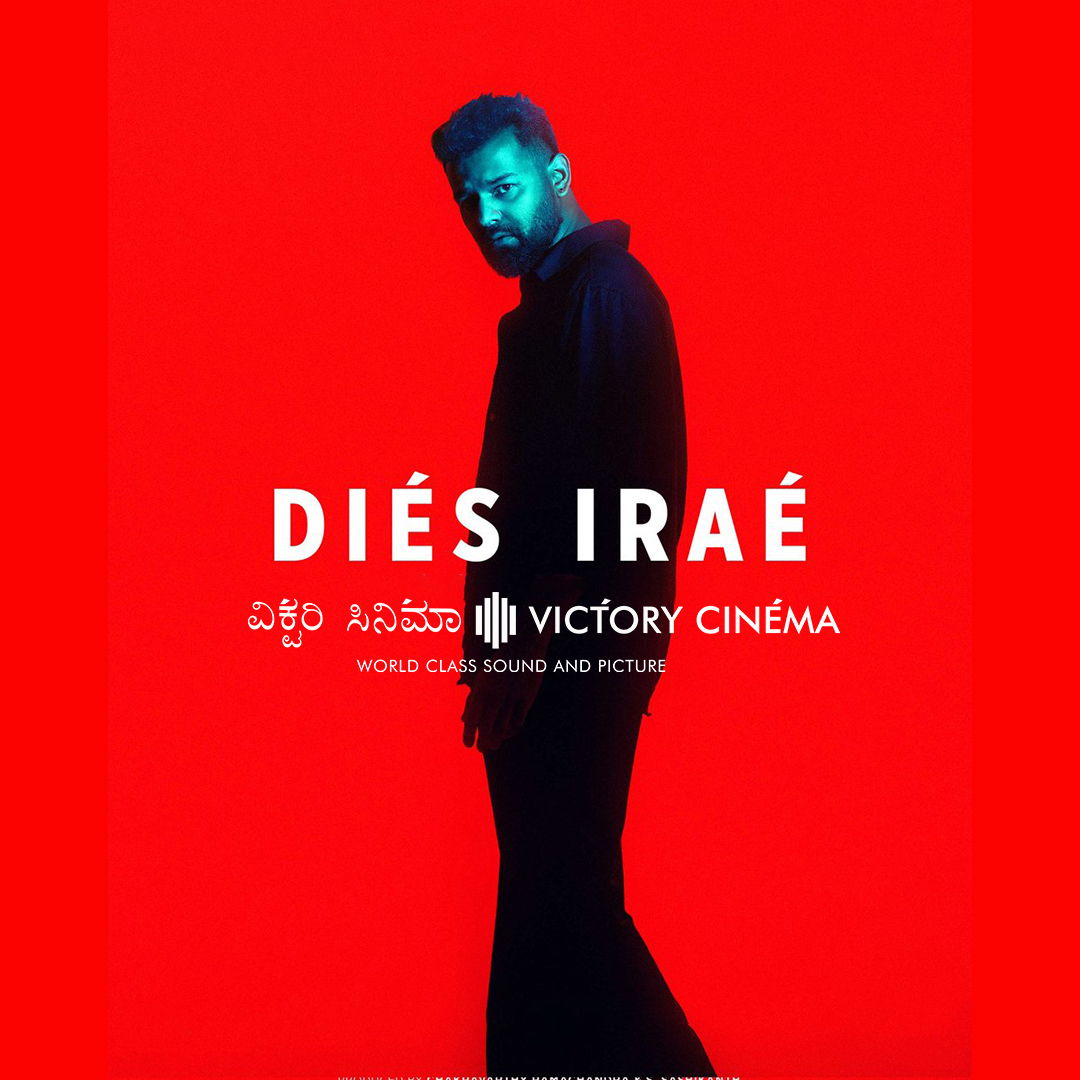
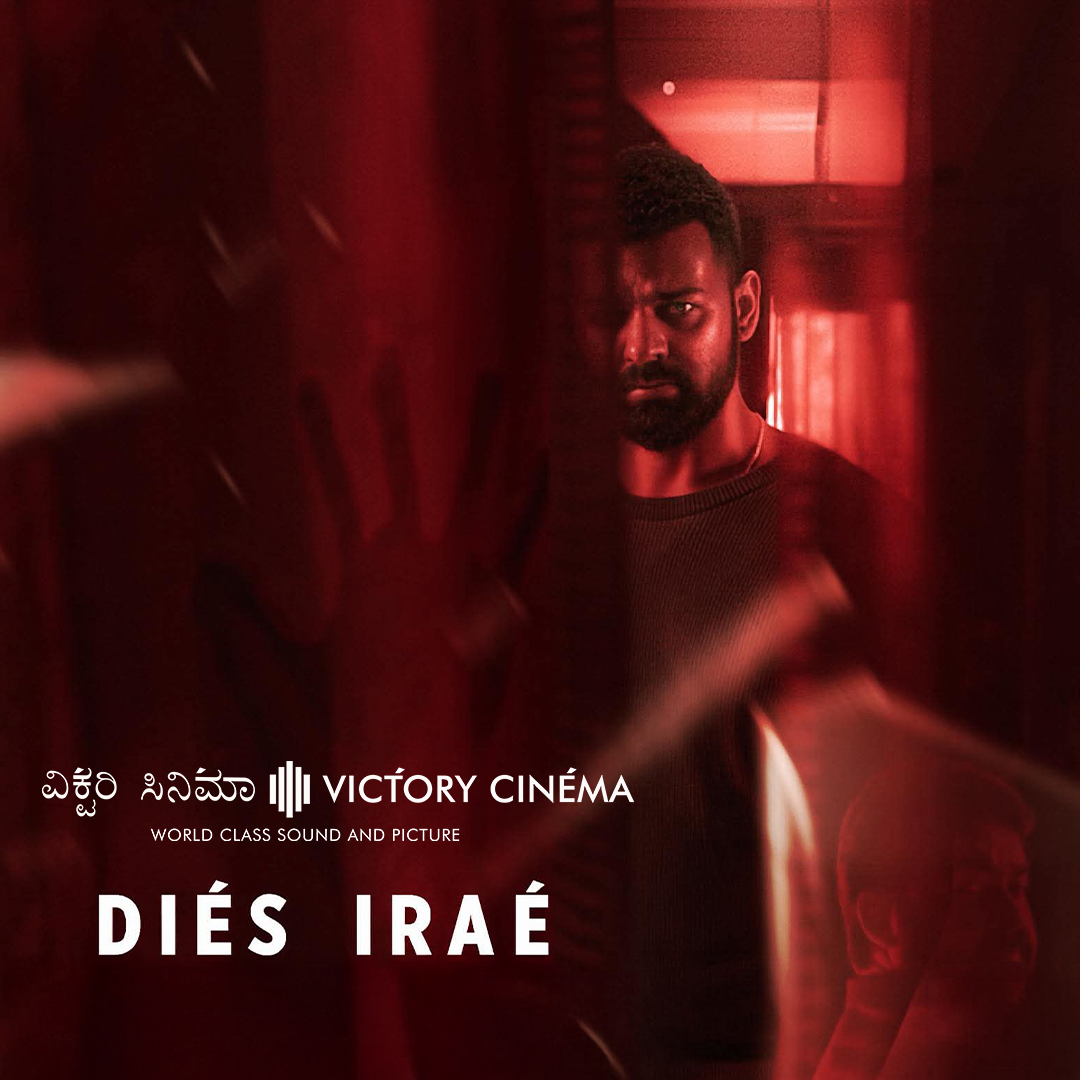
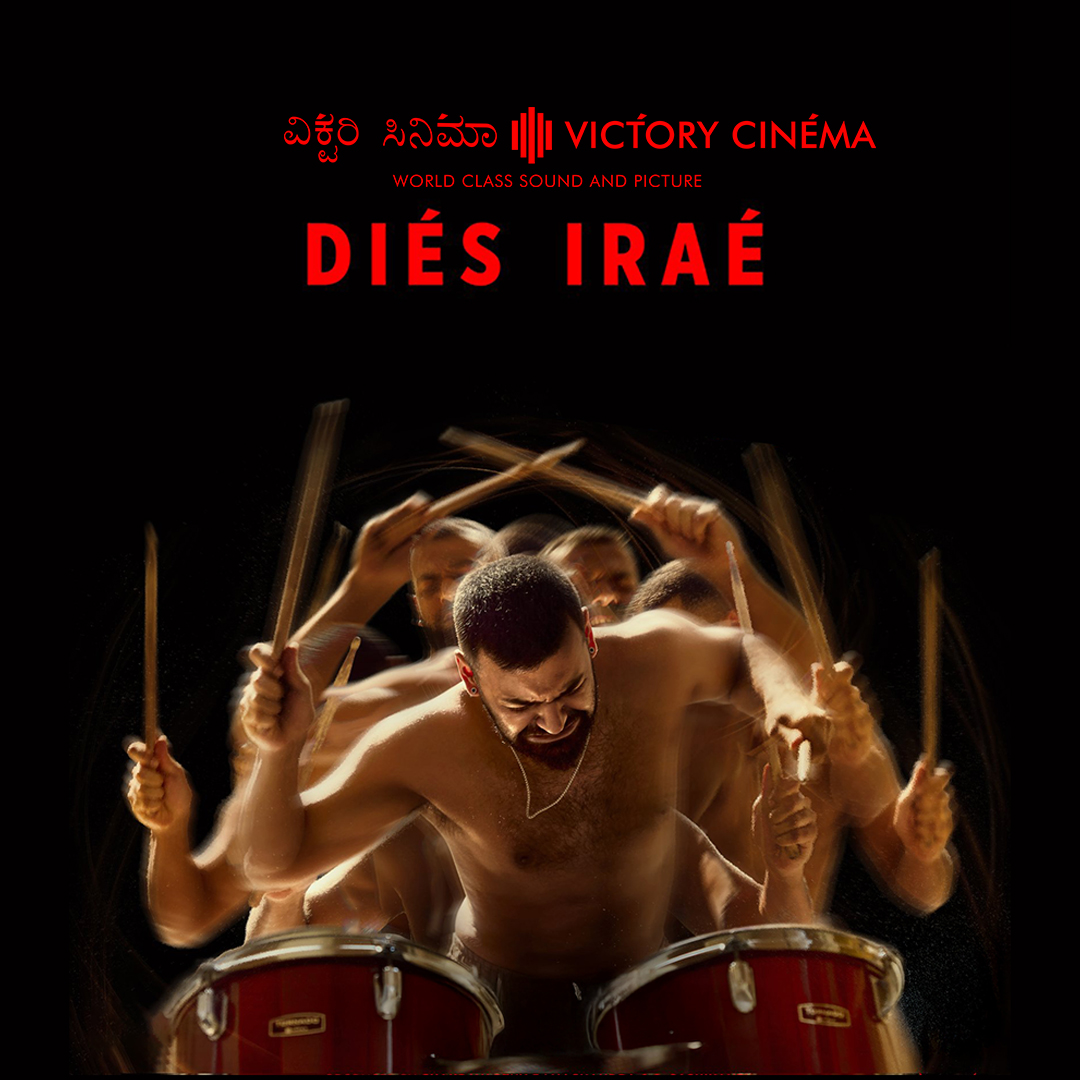
Dies Irae is an atmospheric Malayalam psychological horror film that arrives as one of the most intriguing genre offerings of its release cycle, drawing its title from the Latin phrase meaning “Day of Wrath.” True to that evocative name, the film positions itself as a slow-burn descent into fear, memory, and suppressed trauma rather than a conventional jump-scare driven horror experience. Set largely within an isolated environment and unfolding with deliberate restraint, Dies Irae explores how dread is born not merely from supernatural forces but from the mind’s confrontation with guilt, grief, and unresolved pasts. The film’s pre-release buzz has centred on its promise of immersive horror, built through mood, sound design, and psychological unease rather than overt spectacle. The narrative framework of Dies Irae is deliberately sparse, allowing the atmosphere to take precedence over exposition. Early promotional materials and interviews indicate that the story revolves around a character whose return to a secluded location triggers a chain of unsettling experiences that blur the boundaries between the rational and the supernatural. Rather than providing clear answers, the film appears intent on allowing fear to seep gradually into the viewer’s consciousness, mirroring the protagonist’s own descent into uncertainty. The setting itself functions as a character, with silence, shadows, and architectural confinement contributing to a sense of inevitability. This approach aligns Dies Irae with a growing strand of Indian horror cinema that privileges psychological tension over formulaic scares. The film is directed by Rahul Sadasivan, a filmmaker already recognised for his distinctive voice in Malayalam genre cinema. His previous work demonstrated a keen interest in psychological states, restrained storytelling, and the use of space and sound as narrative tools. With Dies Irae, he advances that sensibility further, reportedly crafting a film that unfolds as much in the subconscious as it does on screen. Rahul Sadasivan’s direction is expected to favour ambiguity, allowing viewers to interpret events through their own emotional filters rather than relying on explicit explanations. This directorial approach places a premium on attentive viewing, rewarding audiences who engage deeply with the film’s layered construction. Leading the film is Pranav Mohanlal, whose involvement has generated significant anticipation. Known for his selective choice of roles and inclination toward experimental storytelling, Pranav’s presence signals a performance likely rooted in internal conflict rather than overt heroism. In Dies Irae, his role is expected to be physically restrained yet emotionally intense, demanding a nuanced portrayal of fear, isolation, and psychological fracture. The supporting cast includes performers such as Kalyani Priyadarshan, Sushmitha Bhat, and Manohari Joy, whose characters are woven into the narrative fabric in ways that appear deliberately opaque prior to release. The ensemble casting suggests a story where relationships and shared histories play a crucial role in shaping the unfolding horror. On the technical front, Dies Irae places extraordinary emphasis on craft. Cinematography by Shehnad Jalal is expected to be a defining element, with visual compositions that exploit darkness, limited light sources, and controlled framing to generate unease. Rather than relying on rapid cuts or visual chaos, the film reportedly favours long takes and static frames, allowing tension to accumulate organically. This visual discipline enhances the film’s psychological impact, drawing viewers into an experience that feels claustrophobic and intimate. The editing, handled by Shafique Mohammed Ali, complements this approach by maintaining narrative rhythm without undermining the slow-burn structure essential to the film’s tone. Sound design and music are central to Dies Irae’s identity as a horror film. The score, composed by Christo Xavier, is designed not as a melodic accompaniment but as an atmospheric layer that intrudes subtly into scenes, often operating at the edge of perception. Low-frequency drones, sudden silences, and carefully placed sonic disturbances are intended to heighten anxiety, making the audience hyper-aware of every auditory detail. This emphasis on sound makes Dies Irae particularly suited for theatrical viewing, where controlled acoustics and immersive audio systems can fully realise the filmmakers’ intentions. Thematically, Dies Irae explores the idea of reckoning—both personal and metaphysical. The title itself alludes to judgment, consequence, and the inescapability of past actions. Rather than presenting horror as an external invasion, the film appears to suggest that fear is often summoned by unresolved guilt or denial. Supernatural elements, where present, function less as antagonistic forces and more as manifestations of internal turmoil. This philosophical underpinning lends the film a seriousness that elevates it beyond genre conventions, positioning it as a reflective experience that lingers in the mind long after the final frame. The decision to release Dies Irae with English subtitles alongside its Malayalam dialogue significantly broadens its reach. Psychological horror, by its nature, relies heavily on visual storytelling, sound design, and mood, making it particularly accessible to non-native speakers when supported by accurate subtitles. This inclusivity allows audiences unfamiliar with Malayalam to fully engage with the film’s narrative and emotional beats without losing nuance. It also reflects a broader shift in Indian cinema toward embracing multilingual audiences within theatrical spaces. Watching Dies Irae at Victory Cinema in Bengaluru transforms the film from a mere screening into an event. Victory Cinema’s 4K RGB laser projection system renders the film’s shadow-heavy visuals with exceptional clarity, ensuring that every subtle gradation of darkness and light is preserved as intended by the cinematographer. In a film where visual detail and controlled lighting are integral to storytelling, this level of projection fidelity is not a luxury but a necessity. The Dolby Atmos immersive sound system further amplifies the film’s psychological impact, allowing the carefully designed audio cues to envelop the audience, heightening tension and anticipation in ways that home viewing cannot replicate. The single-screen environment at Victory Cinema adds another layer to the experience. Horror films thrive on collective response, where shared silence, gasps, and nervous anticipation create a palpable atmosphere within the auditorium. The focused attention of a theatrical audience enhances the film’s slow-burn pacing, drawing viewers deeper into its unsettling world. Victory Cinema’s comfortable seating and thoughtfully designed viewing angles ensure that audiences remain engaged without distraction, allowing the film’s mood to take full effect. Booking tickets for Dies Irae through victorycinema.in offers a seamless and audience-friendly experience that complements the film’s theatrical presentation. With real-time seat selection, zero convenience fees, and instant mobile ticket delivery, the booking process reflects Victory Cinema’s commitment to removing barriers between the audience and the cinematic experience. This ease of access encourages spontaneous viewing decisions, particularly important for genre films that benefit from word-of-mouth momentum during their theatrical run. As a pre-release offering, Dies Irae stands out for its confidence in restraint. It does not promise spectacle for spectacle’s sake, nor does it rely on familiar horror formulas. Instead, it invites viewers into a carefully constructed psychological space, where fear is cultivated patiently and meaningfully. The collaboration between a director known for his thoughtful approach, a lead actor willing to inhabit complex emotional terrain, and a technical team focused on atmospheric precision positions Dies Irae as a film that respects its audience’s intelligence and sensitivity. In the broader context of Malayalam cinema, Dies Irae represents the industry’s continued willingness to experiment within genre boundaries while maintaining narrative depth. It exemplifies a cinematic philosophy that values mood, theme, and emotional resonance over immediate gratification. For audiences seeking a horror experience that is immersive, unsettling, and intellectually engaging, Dies Irae promises to be a film best experienced in a theatre that honours cinematic craft. Victory Cinema, with its emphasis on presentation quality and audience comfort, provides the ideal setting for such a film. Here, Dies Irae is not merely watched but felt—its silences heavier, its sounds sharper, and its psychological weight more pronounced. This convergence of thoughtful filmmaking and premium theatrical presentation underscores why certain films demand to be experienced on the big screen. Dies Irae is one such film, and Victory Cinema is where its full impact comes alive.