Predator: Badlands (3D) (English with English Subtitles)
- Director: Dan Trachtenberg
- Writers: Dan Trachtenberg
- Stars:
- Elle Fanning
- Dimitrius Schuster-Koloamatangi
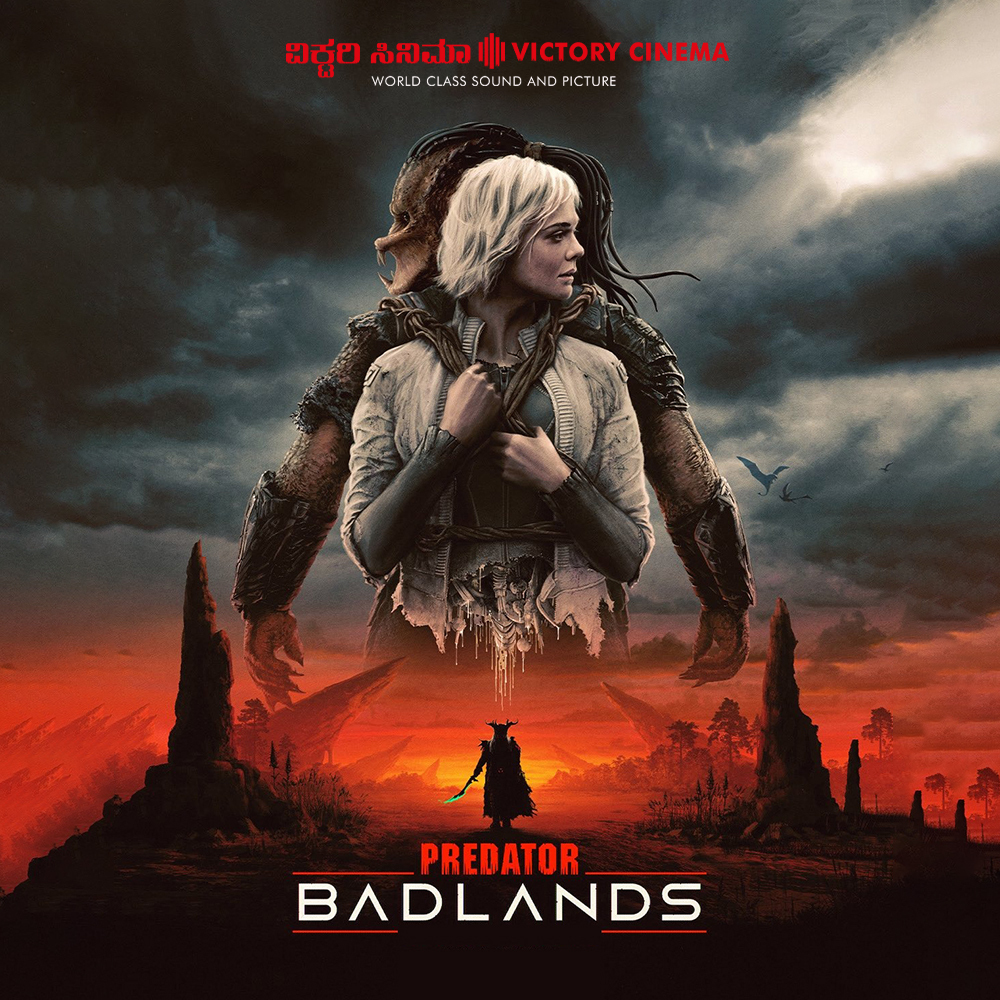
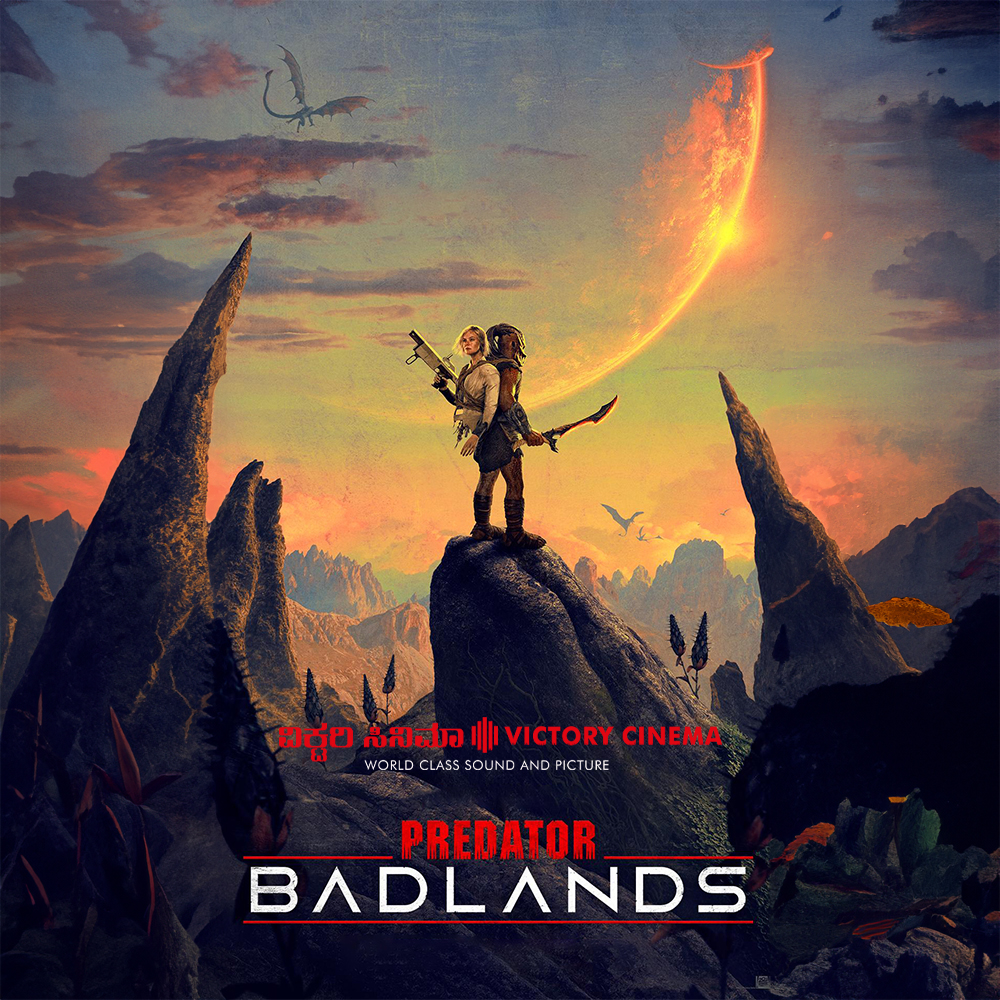
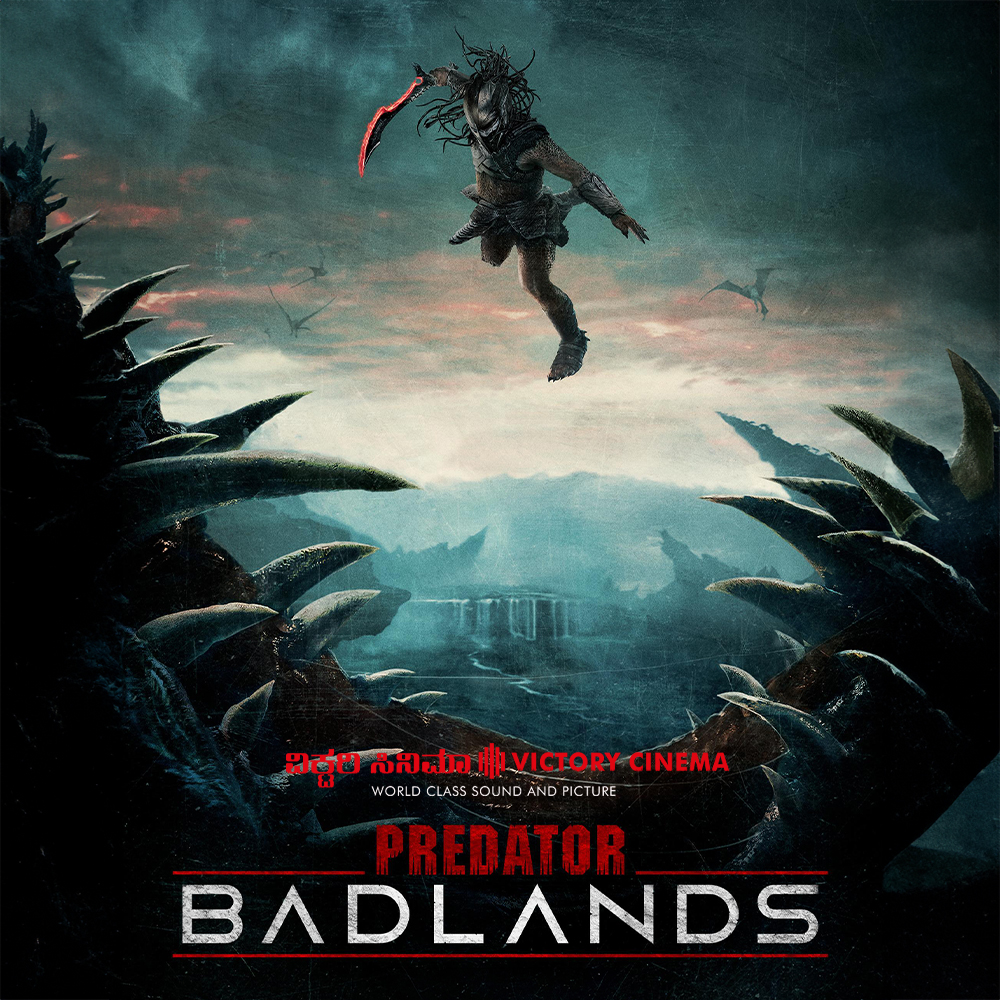
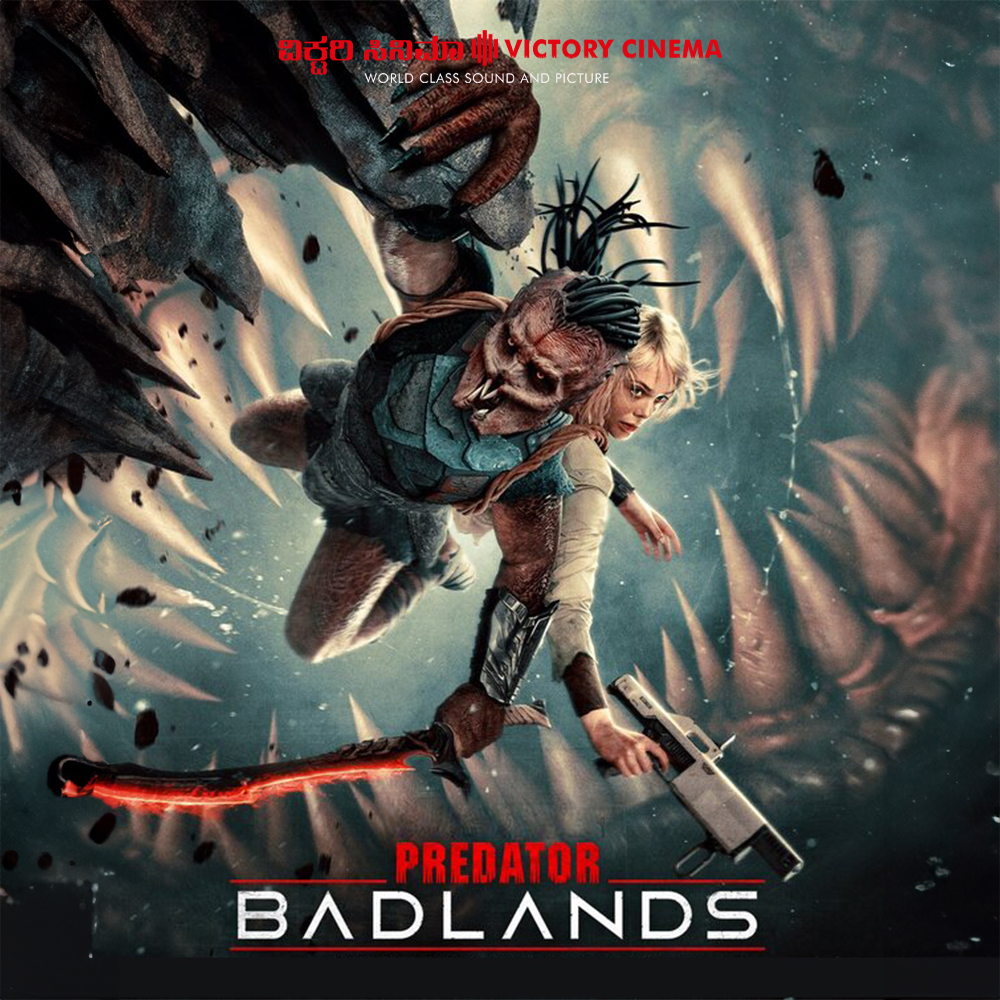
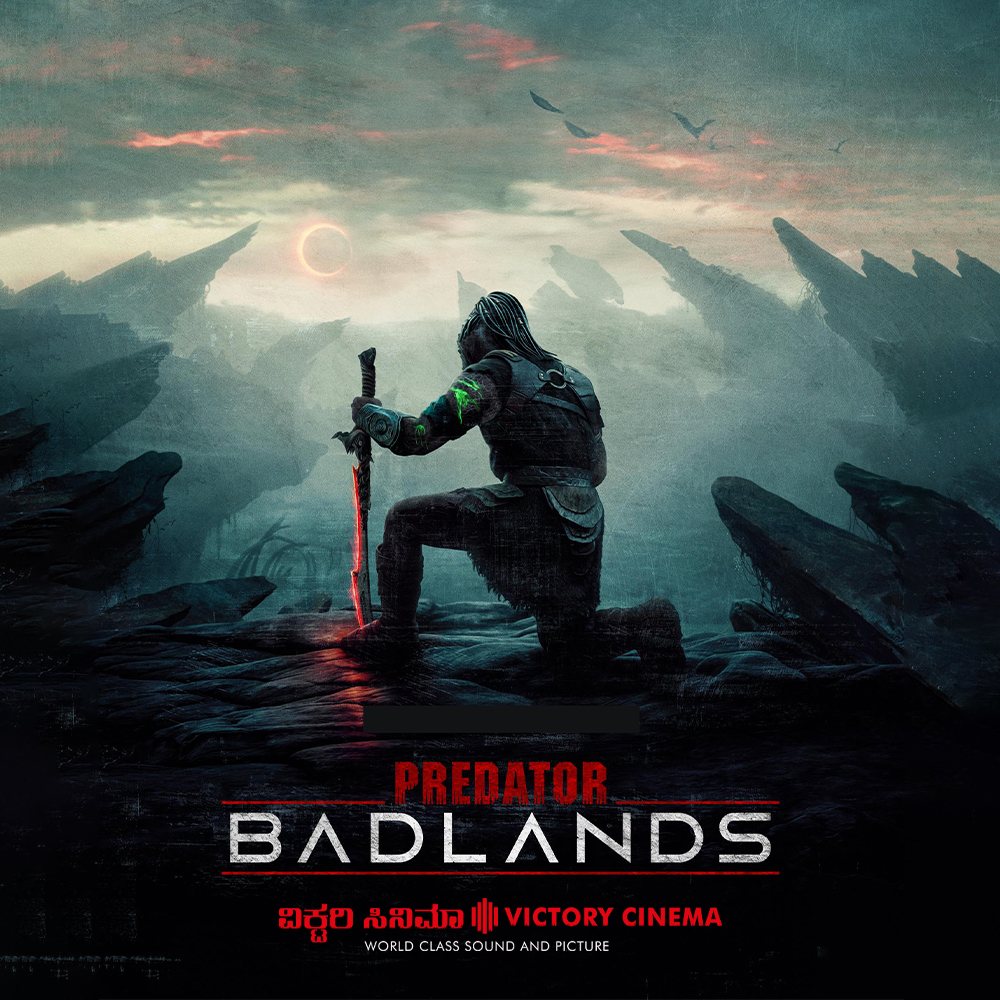
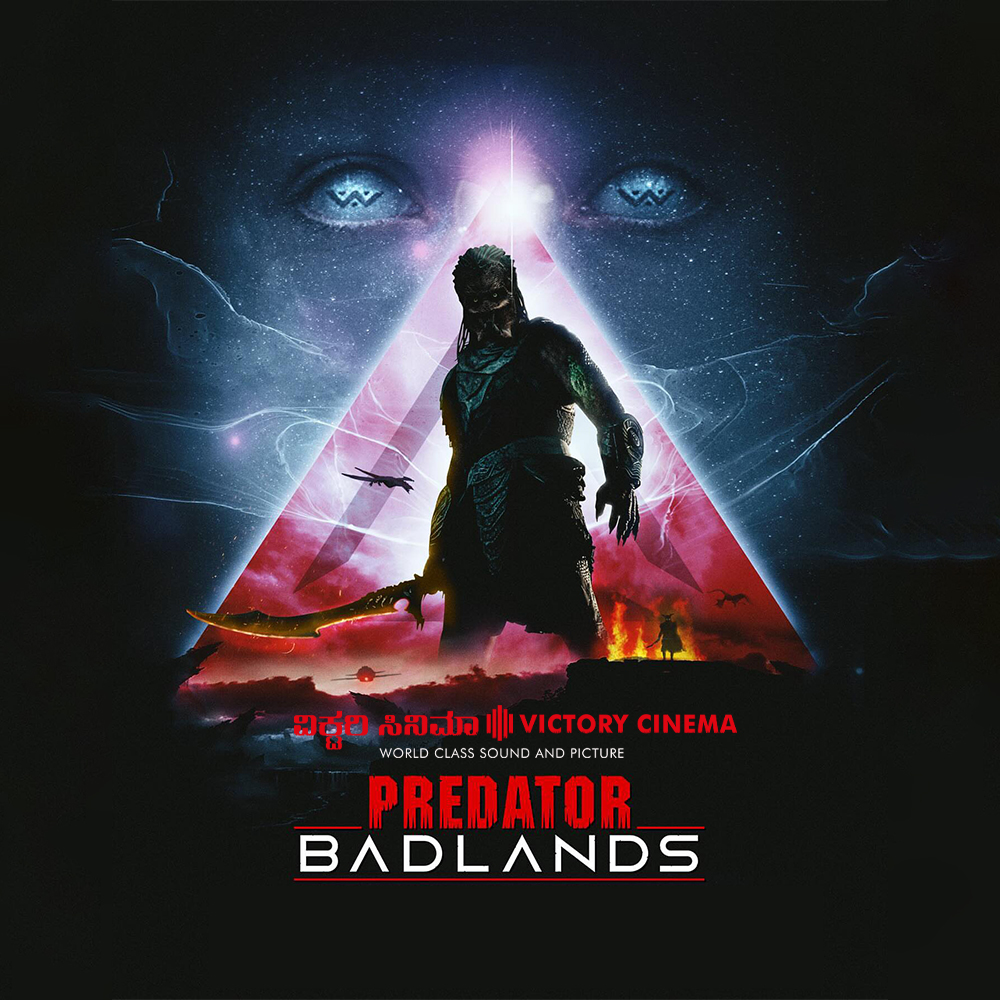
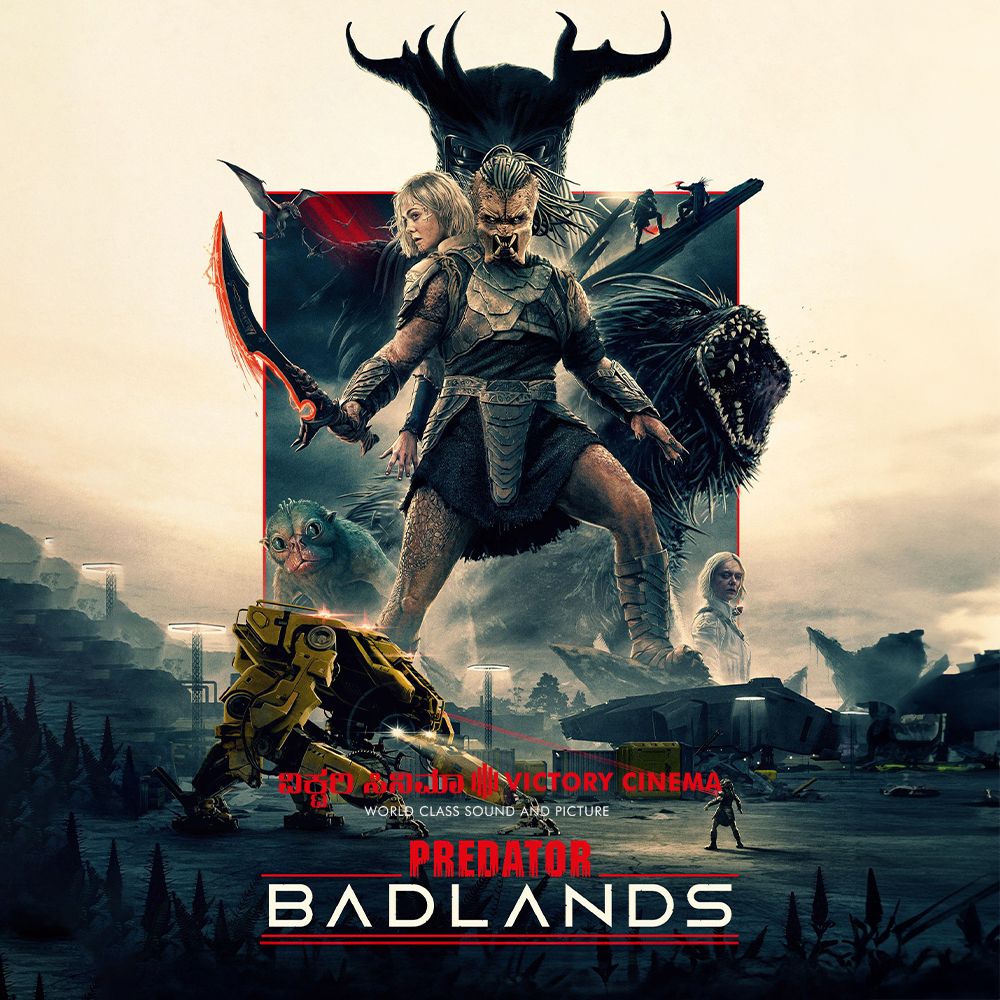
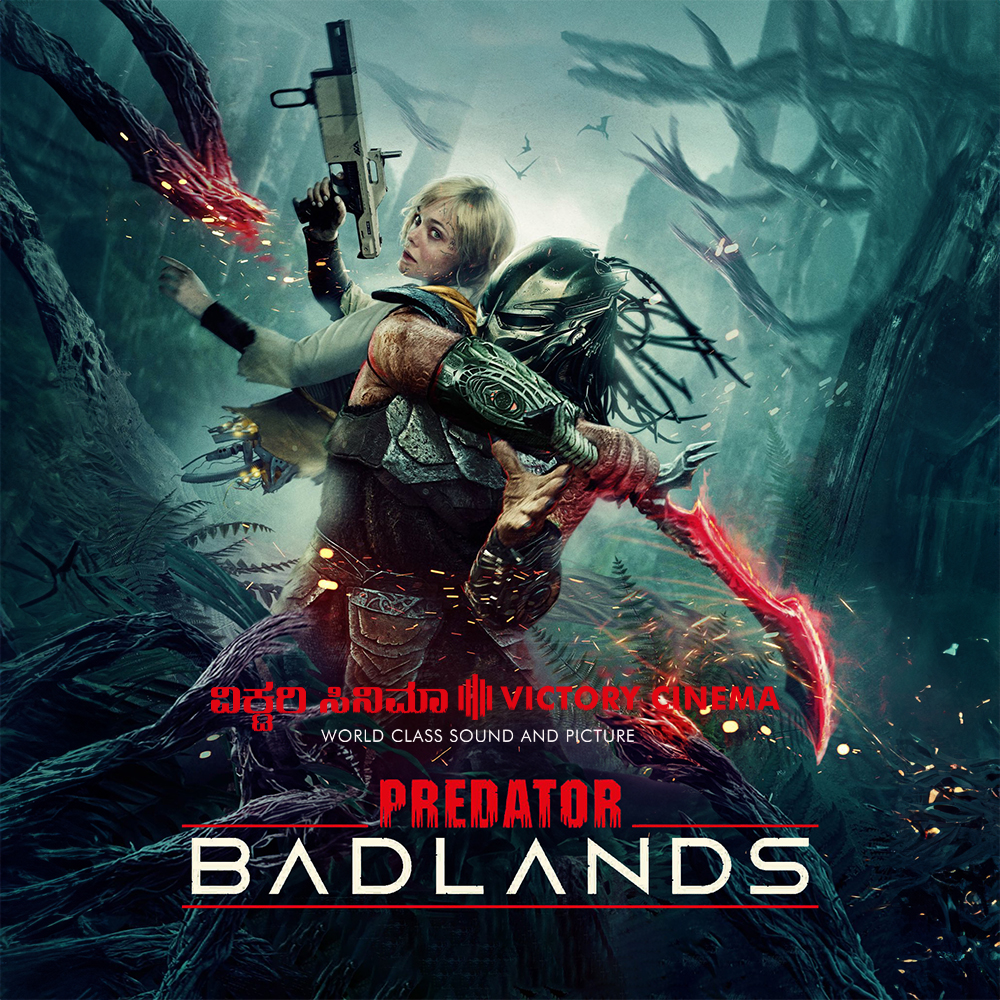
Predator: Badlands is not positioned as just another sequel in a long-running franchise; it is conceived as a deliberate reinvention of how the Predator universe is viewed, structured, and emotionally processed on screen. Since the original Predator (1987) introduced audiences to the idea of a technologically superior hunter stalking humans for sport, the franchise has repeatedly evolved in tone but rarely in perspective. Badlands marks a decisive shift by re-centering the narrative lens, placing the Predator species itself at the heart of the story rather than treating it as an external threat alone. This change is not cosmetic; it reshapes the moral, emotional, and cinematic grammar of the franchise. The creative force behind this reinvention is director Dan Trachtenberg, whose earlier work on Prey demonstrated a clear understanding of what made Predator resonate beyond brute force. Trachtenberg’s approach is grounded in character-driven survival storytelling, where intelligence, adaptability, and environment matter as much as weapons. With Badlands, he extends that philosophy further, choosing to explore the internal hierarchy, codes, and vulnerabilities of the Predator race itself. This is a bold move, because it risks demystifying an icon—but it is also what gives the film its narrative confidence. At the center of Predator: Badlands is a young Yautja warrior named Dek, portrayed through performance capture and physical acting by Dimitrius Schuster-Koloamatangi, whose imposing physicality and controlled movement lend credibility to the character’s arc. Dek is not introduced as a dominant apex hunter; instead, he is framed as an outcast, smaller and underestimated within his own species. This narrative choice immediately establishes stakes that are internal rather than reactive. Dek’s journey is not about hunting humans for sport but about survival, recognition, and proving worth in a culture that values strength above all else. This reframing adds emotional momentum without humanising the Predator to the point of dilution. Opposite Dek is Thia, played by Elle Fanning, a damaged synthetic being connected to the Weyland-Yutani universe, thereby linking Badlands organically to the broader Alien-Predator mythos without resorting to gimmicks. Fanning’s role is crucial because Thia is neither purely ally nor tool; she is an intelligent entity navigating survival through logic rather than instinct. Her presence allows the film to explore contrasts between organic brutality and artificial consciousness. The dynamic between Dek and Thia is not romantic, not sentimental, but functional and ideological—two outsiders relying on each other to endure an environment that is hostile to both flesh and machine. From a story-logic standpoint, Predator: Badlands is structured as a survival odyssey set on a hostile alien planet far removed from Earth. This is not a battlefield filled with armies or familiar urban landscapes. The planet itself is weaponised—harsh terrain, violent ecosystems, and unpredictable threats create constant pressure. The “badlands” are not metaphorical; they are literal environments designed to test physical endurance, tactical intelligence, and psychological resilience. The film’s stakes escalate through environment rather than exposition, which is a conscious return to the franchise’s roots. Trachtenberg has stated through production interviews that Badlands was conceived as a “hero’s journey told through an alien lens.” That intent is visible in how the film reportedly balances long stretches of tension with explosive, tightly choreographed action. Combat is not constant; when it occurs, it is decisive, brutal, and narratively justified. This restraint is what differentiates Badlands from franchise fatigue entries. Violence exists as consequence, not spectacle for its own sake. Technically, Predator: Badlands is engineered first and foremost for theatrical presentation. The film was shot with large-format cameras and designed specifically for RealD 3D, not post-conversion. Depth composition, spatial separation, and foreground-background interaction are built into the blocking of scenes. The 3D is intended to immerse viewers into scale—towering alien structures, vast open landscapes, and vertical movement that simply does not translate on flat screens. This is crucial, because Badlands relies heavily on spatial awareness as part of its storytelling language. The visual effects pipeline reflects this ambition. Multiple top-tier studios, including Industrial Light & Magic and Wētā FX, have collaborated to blend practical creature effects with digital augmentation. The Predator designs remain tactile and weighty, preserving the franchise’s iconic physical presence while allowing for expressive subtlety in facial movement and body language. This is essential because Dek’s character arc depends on audiences reading emotion through posture and motion rather than dialogue. The sound design and score further reinforce the film’s mass theatrical identity. Instead of wall-to-wall orchestration, the music reportedly uses rhythmic, percussive motifs interspersed with silence, allowing environmental sounds—wind, movement, distant creatures—to carry tension. This approach demands a controlled acoustic environment, where low-frequency effects and directional sound placement can be fully experienced. On consumer devices, much of this nuance collapses. In a cinema, it becomes visceral. This is precisely why Predator: Badlands (3D) finds its natural home at Victory Cinema. Films built on scale, silence, and sudden impact demand an auditorium where projection, sound calibration, and seating geometry work together. Victory Cinema’s large-screen presentation allows the film’s 3D depth to breathe, ensuring that the spatial design Trachtenberg has constructed is perceived as intended. The controlled darkness, uninterrupted focus, and collective audience response amplify the film’s tension in a way streaming simply cannot replicate. Equally important is the communal experience. Predator has always been a franchise that thrives on audience reaction—gasps, silences, sudden eruptions during combat. Watching Badlands in a packed theatre restores that primal cinematic energy. The Predator mythology is rooted in ritual, confrontation, and survival, and there is something fitting about witnessing it alongside other viewers rather than in isolation. Victory Cinema’s direct booking platform at victorycinema.in removes friction from this experience. With zero convenience fees, real-time seat selection, and instant mobile ticketing, audiences can access a premium theatrical experience without the penalties imposed by aggregators. This aligns with the spirit of Badlands itself—stripped of excess, focused on essentials, and built around efficiency and impact. From a franchise perspective, Predator: Badlands represents a critical inflection point. Rather than escalating stakes through bigger weapons or louder explosions, it escalates meaning through perspective. By telling a Predator story from within, the film respects the intelligence of its audience and trusts cinematic language over exposition. This is not nostalgia mining; it is franchise evolution. As the Predator series approaches four decades of cultural relevance, Badlands signals that the future lies not in repetition but in re-interpretation. It understands that the monster was never the only draw—the real appeal has always been the hunt, the code, and the environment that turns survival into philosophy. Dan Trachtenberg’s direction, combined with a cast willing to inhabit physically demanding, conceptually challenging roles, positions Badlands as a film that does not merely extend a brand but sharpens it. In the final analysis, Predator: Badlands (3D) is designed to be felt, not skimmed. Its scale, sound, and spatial storytelling demand a cinema that respects the craft behind them. At Victory Cinema, this film is not content—it is an event. The badlands are vast, the hunt is personal, and the screen is where it belongs.