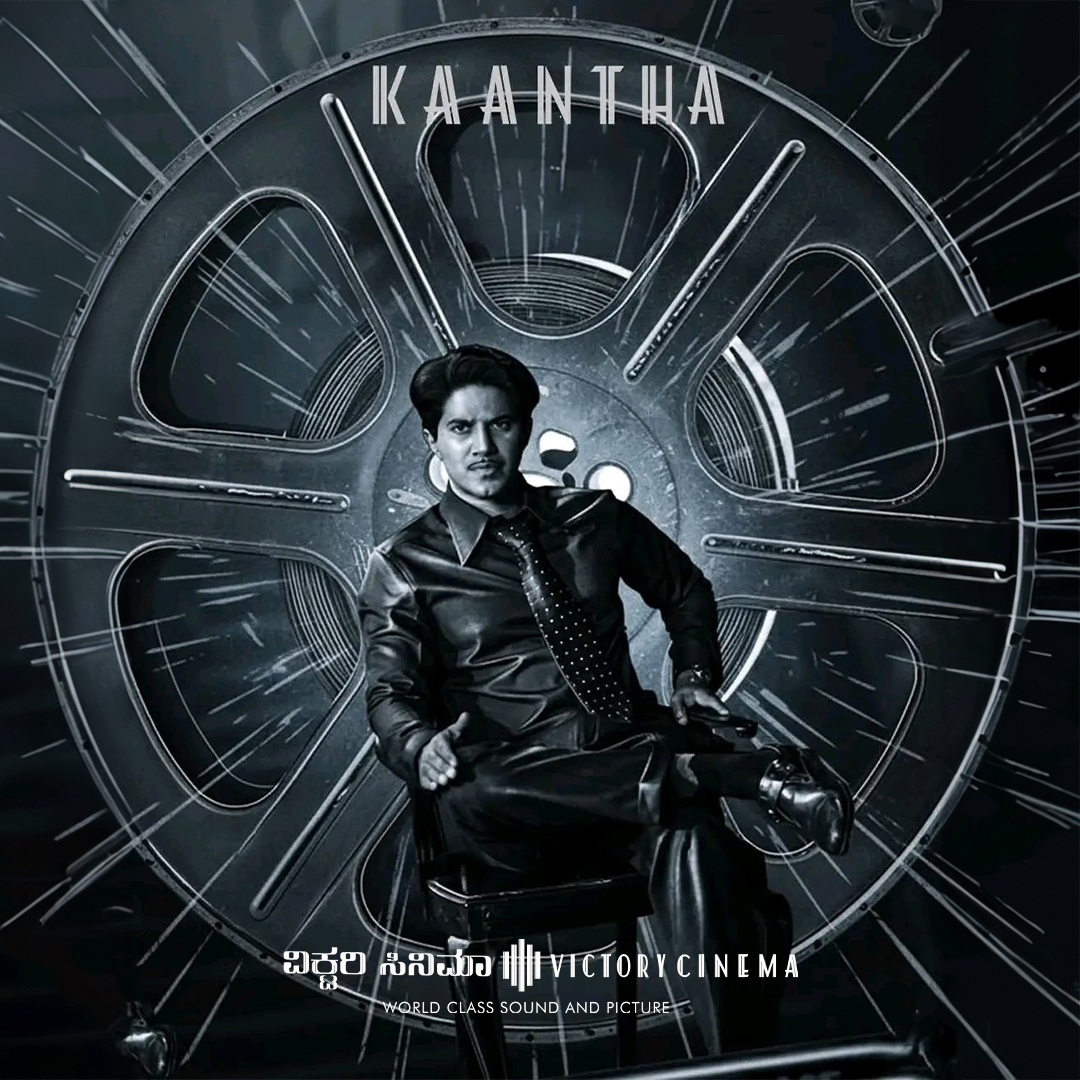
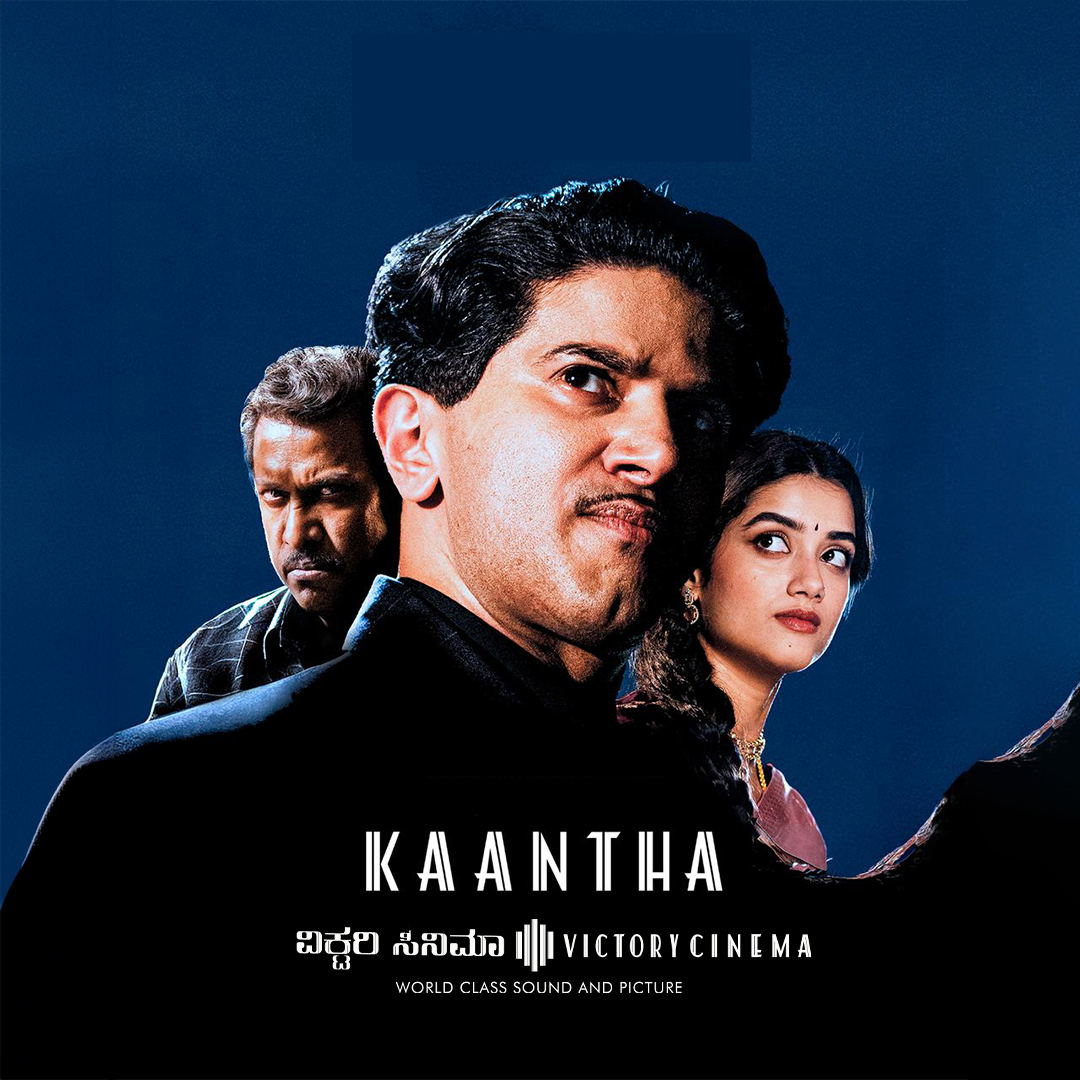
Kaantha (Tamil with English Subtitles)
- Director: Selvamani Selvaraj
- Writers: Selvamani Selvaraj
- Stars:
- Dulquer Salmaan
- Samuthirakani
- Bhagyashri Borse
- Rana Daggubati
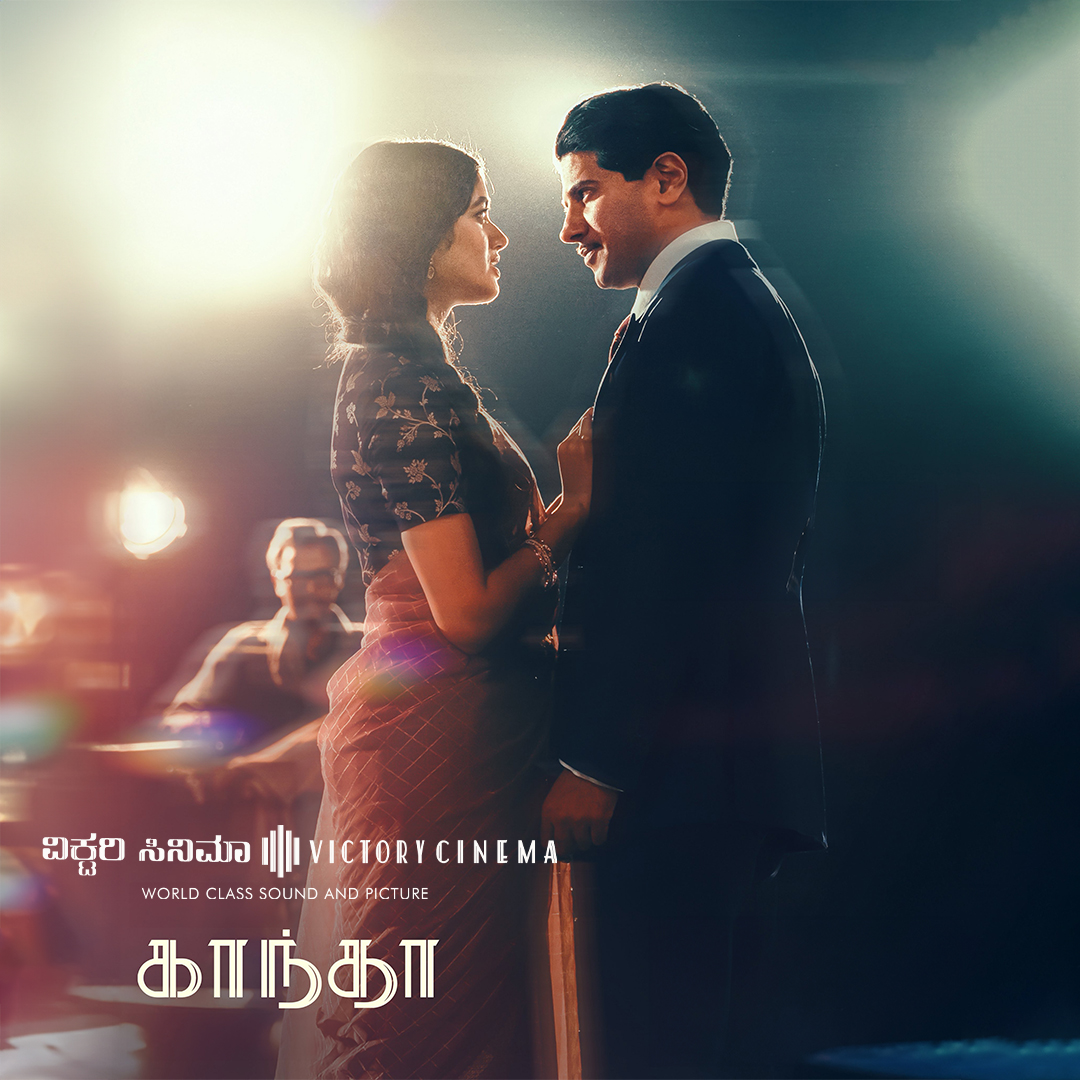
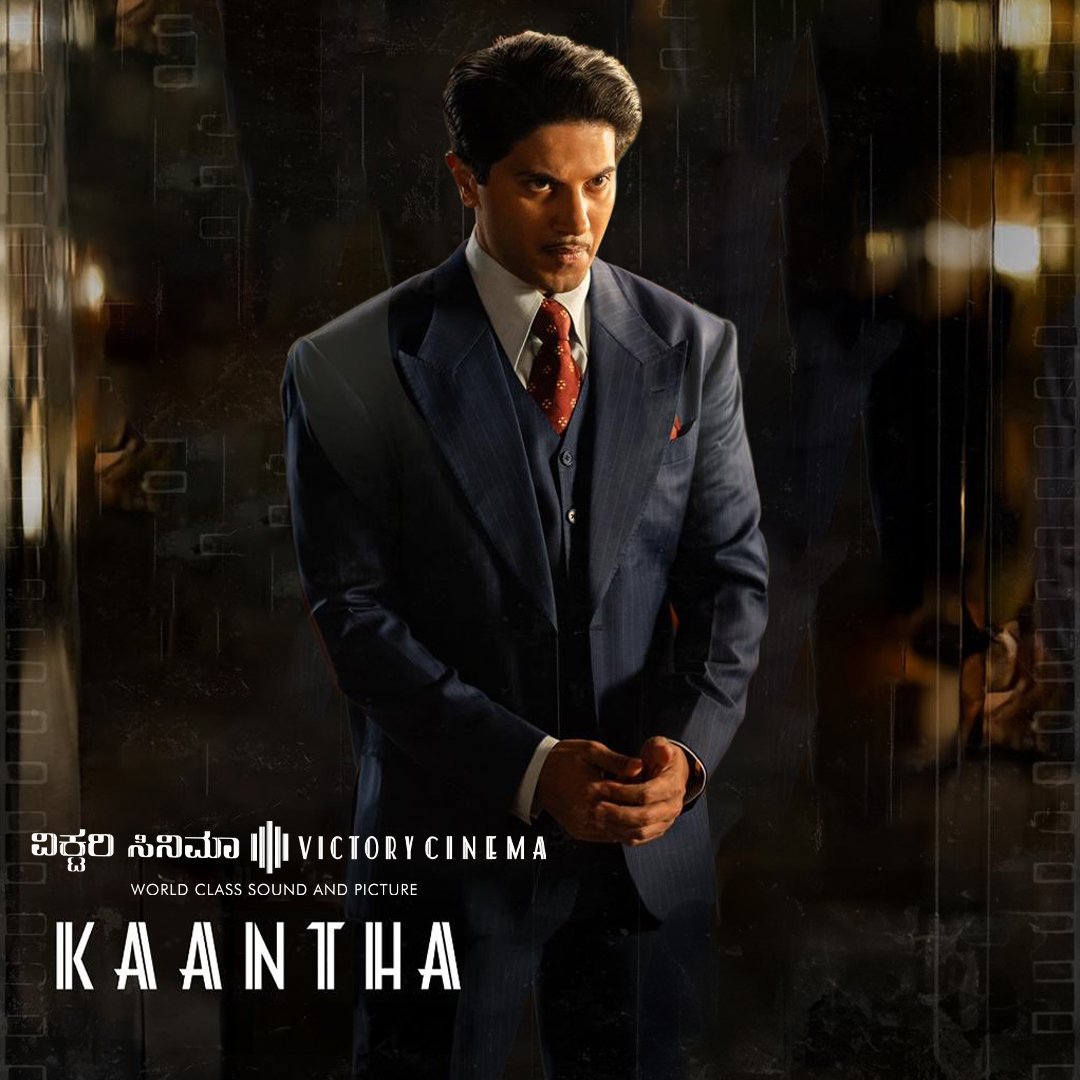
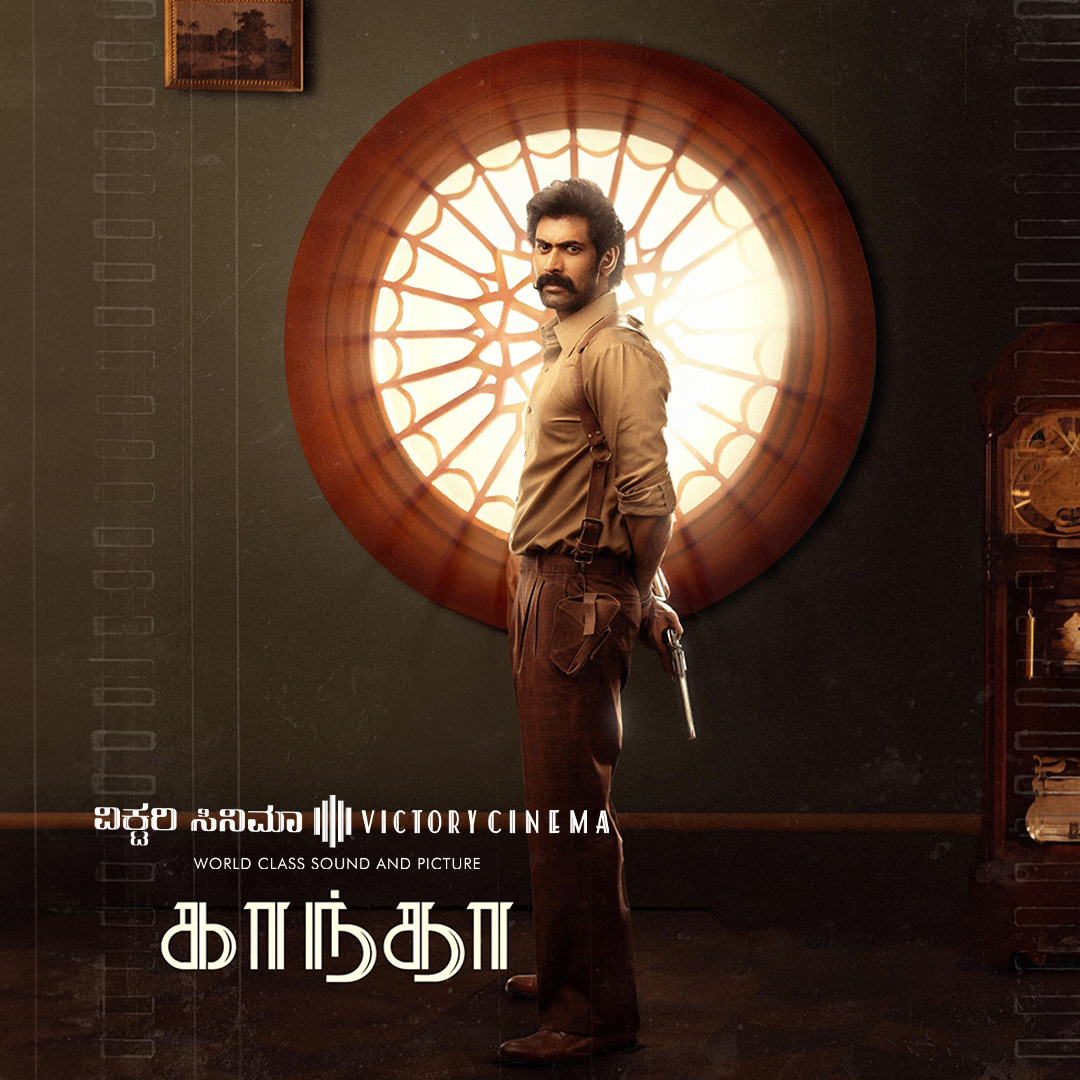
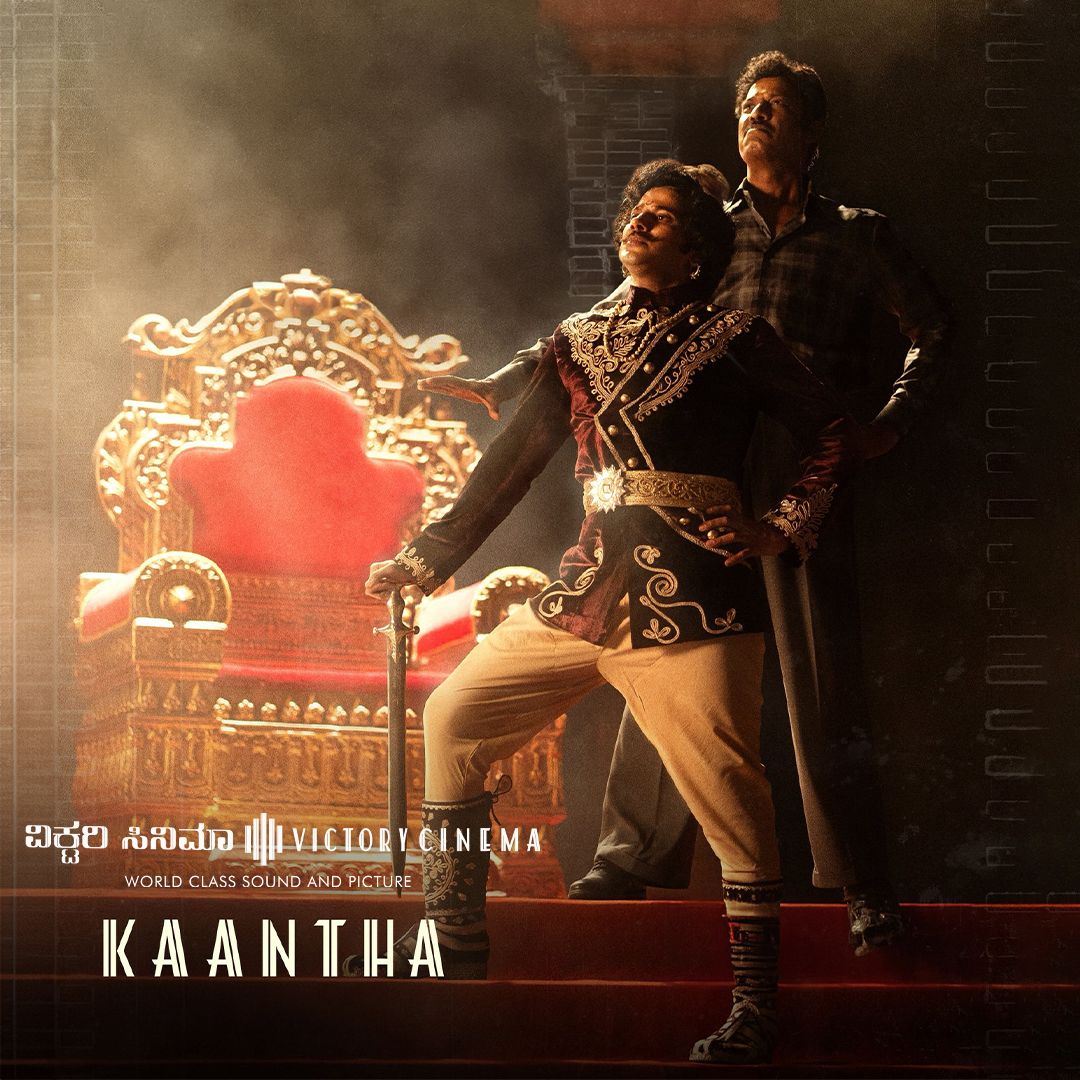
Kaantha arrives as one of Tamil cinema’s most ambitious period films of 2025 — a richly textured story set against the moving social dynamics of 1950s Madras, and framed as a dramatic mystery that celebrates cinema itself while exploring human ambition, rivalry, and the price of creative greatness. Directed by Selvamani Selvaraj, co-written with Tamizh Prabha, the film draws viewers into an era when Indian cinema was still young and powerful egos clashed in a quest for creative honour and cultural influence. Kaantha was released in theatres across India on 14 November 2025 and carries a U/A certificate, making it accessible to adult audiences and families seeking substantial storytelling rather than light entertainment. At its core, Kaantha is a period crime drama woven into the cinema-within-cinema template — a rare form in Tamil film that allows meta-commentary on filmmaking itself alongside broader human conflict. The film’s narrative pivots around a heated confrontation between two towering figures of the film set: a revered director — Ayya — and the charismatic superstar actor he helped elevate. Their relationship, once founded on mutual respect, becomes strained as professional jealousies intensify, creative visions collide and personal pride takes centre stage. Set on the construction cranes, studios and dusty lot spaces of 1950s Madras, the story encapsulates the raw energy of an industry in flux — where modernity begins to take root, and old-school power dynamics are questioned. Rather than simply presenting a nostalgic retrospective, Kaantha embeds its emotional stakes in the creative crucible of filmmaking itself. The film’s title reportedly derives from a renaming clash — a symbolic shift from a production originally meant to be titled Shaantha, later rebranded in the story as Kaantha, revealing how branding, ego and artistic ownership can transform a creative product into a battlefield. This layered approach to storytelling makes Kaantha as much about how films are made and mythologised as it is about the figures at the centre of its fictional universe. Another aspect that elevates Kaantha is its world-building. Shot with meticulous attention to period detail — from costume and production design to dialect and visual aesthetic — the film recreates a world of grainy photographs, black-and-white film stock, studio lighting rigs, towering film studio sets, and streets that echo with the clatter of typewriters and metallic camera shutters. This is not simply a backdrop for narrative, but a living, breathing space where viewers can feel the heat of midday sun on concrete, smell the dust of construction sites, and hear the ambient chatter of technicians, clapper loaders and boom operators negotiating their place in the hierarchical chain of cinema production. The cinematic craft behind Kaantha is similarly crafted to reflect its era. Cinematographer Dani Sanchez-Lopez brings a visual language that balances the gentle grit of analogue era filming with sweeping panoramic shots, rich textures, and deep, contrasty light that evokes vintage film reels. The result is imagery that feels both historically rooted and cinematographically arresting — a tribute to the period itself while still resonating with contemporary audiences’ expectations for visual storytelling. Music composed by Jhanu Chanthar further enriches the film’s mood, with melodic themes that echo both innocence and melancholy — perfect for a story about the tension between artistic idealism and the harsh realities of ambition. Thematically, Kaantha explores deep emotional and philosophical questions about the nature of art, individuality, and legacy. The central conflict — director versus star — is less about personality clashes and more about competing visions of what cinema should be and whom it should serve. Ayya represents an older guard who built his reputation on discipline, intentionality, and creative depth. In contrast, the superstar figure embodies commercial appeal, star power and the magnetic pull of audience adulation. Their ideological duel is not just a plot device but an examination of two creative impulses: one that prioritises art, and one that prioritises fame and spectacle — a tension familiar to any era of filmmaking. The film’s crime element — involving a shocking murder that occurs on the studio set — adds another layer to this rich tapestry. As an investigation unfolds, characters are forced to confront secrets, jealousies and vulnerabilities that go beyond mere professional rivalry. This blend of period drama and crime thriller creates tension that holds viewers’ attention and challenges them to reconsider every key moment of the narrative in light of broader thematic arcs. It’s this masterful interplay between genre elements — romantic drama, social commentary, artistic introspection, and mystery — that positions Kaantha for critics’ interest and audience discussion, well beyond its initial box office window. Critics and early viewers have noted how Kaantha pulses with both nostalgia and relevance. By invoking the golden years of Tamil cinema — both in style and in substance — the film bridges old-world charm and contemporary cinematic language. Its extensive use of period set design, costume, vintage dialogue and mise-en-scène create an immersive experience that is not just visual but also intellectual. This is especially significant given that the film’s story is anchored in a post-colonial Madras undergoing socio-cultural transformation — itself a metaphor for the artistic transformation of Tamil cinema in mid-20th century India. Kaantha’s release with English subtitles ensures that its evocative storytelling reaches a wider audience. The subtitles preserve nuance, dialect inflection and emotional cadence — essential for a film rooted in a specific linguistic and cultural milieu — while making the narrative accessible to those unfamiliar with Tamil. This inclusive presentation aligns with the film’s broader appeal and serves as an invitation to Bengaluru audiences interested in sophisticated period cinema. What makes Kaantha particularly compelling as a theatrical experience is its scale and deliberate pacing. At 163 minutes, the film avoids rushing its themes, allowing tension to build organically, character motivations to crystallise, and narrative stakes to deepen as the investigation steams ahead. This isn’t popcorn fare; it’s a story that rewards patience and engagement, which is why watching it in a proper cinema setting becomes pivotal to experiencing its full emotional and intellectual depth. And this is where Victory Cinema Bengaluru plays a transformational role. Unlike the compartmentalised experience of streaming at home, Victory Cinema’s 4K RGB laser projection and Dolby Atmos immersive sound system envelop viewers in the film’s textured world — from the thunderous rumble of Madras streets to the subtle subtlest moments of stillness on film sets. The meticulous production design and period detail demand space, sound and scale that ordinary viewing devices cannot deliver; at Victory Cinema, every rustle of period costumes, every ambient echo of vintage studio halls, and every beat of the film’s atmospheric score is showcased with clarity and emotional resonance that makes Kaantha come alive. Even the subtleties of performance — the flicker in an actor’s gaze, the dramatic tension in a silent stare — are magnified in the theatre context, reinforcing why films of this artistic ambition are best seen on the largest screen possible. Booking tickets at victorycinema.in offers patrons a zero booking fee experience, seamless seat selection, mobile OTP tickets and secure Razorpay payments, making the lead-up to the film easy and enjoyable. Whether you choose a weekend matinee or an evening show, Victory Cinema’s curated ambience and dedicated audience culture amplify the emotional beats of Kaantha, turning a narrative into a lived experience. From the hum of anticipation in the lobby to the shared gasps and silent discoveries in the darkened theatre, the communal aspect of cinema adds a layer to Kaantha that no personal device can replicate. Finally, Kaantha resonates on another level: as a meditation on art, legacy, ambition and identity. It is a movie about cinema itself — an industry where creation and ego are inseparable, where human flaws are magnified by public adoration, and where the historical past continually shapes the stories we tell today. Its setting in the 1950s is not merely historical; it is a mirror reflecting contemporary questions about authorship, interpretation and the lasting legacies of creatives whose names become cultural touchstones. In this sense, Kaantha is less a period piece and more a cinematic mirror — drawing viewers not just back in time, but into their own understanding of cinema and the forces that animate it. For anyone who seeks thoughtful, layered storytelling anchored in vivid period detail, Kaantha is more than a film — it’s an invitation to witness the clash of brilliance, ego and passion in an era that shaped Tamil cinema’s soul. And the place to experience it in Bengaluru is undeniably Victory Cinema, where style, scale and shared audience energy elevate every frame into a moment worth remembering.