Gatha Vaibhava (Kannada with English Subtitles)
- Director: Suni
- Writers: Suni
- Stars:
- SS Dushyanth
- Ashika Ranganath
- Sudha Belavadi
- Kishen Bilagali
- Krishna Hebbale
- Krishna Jorapur
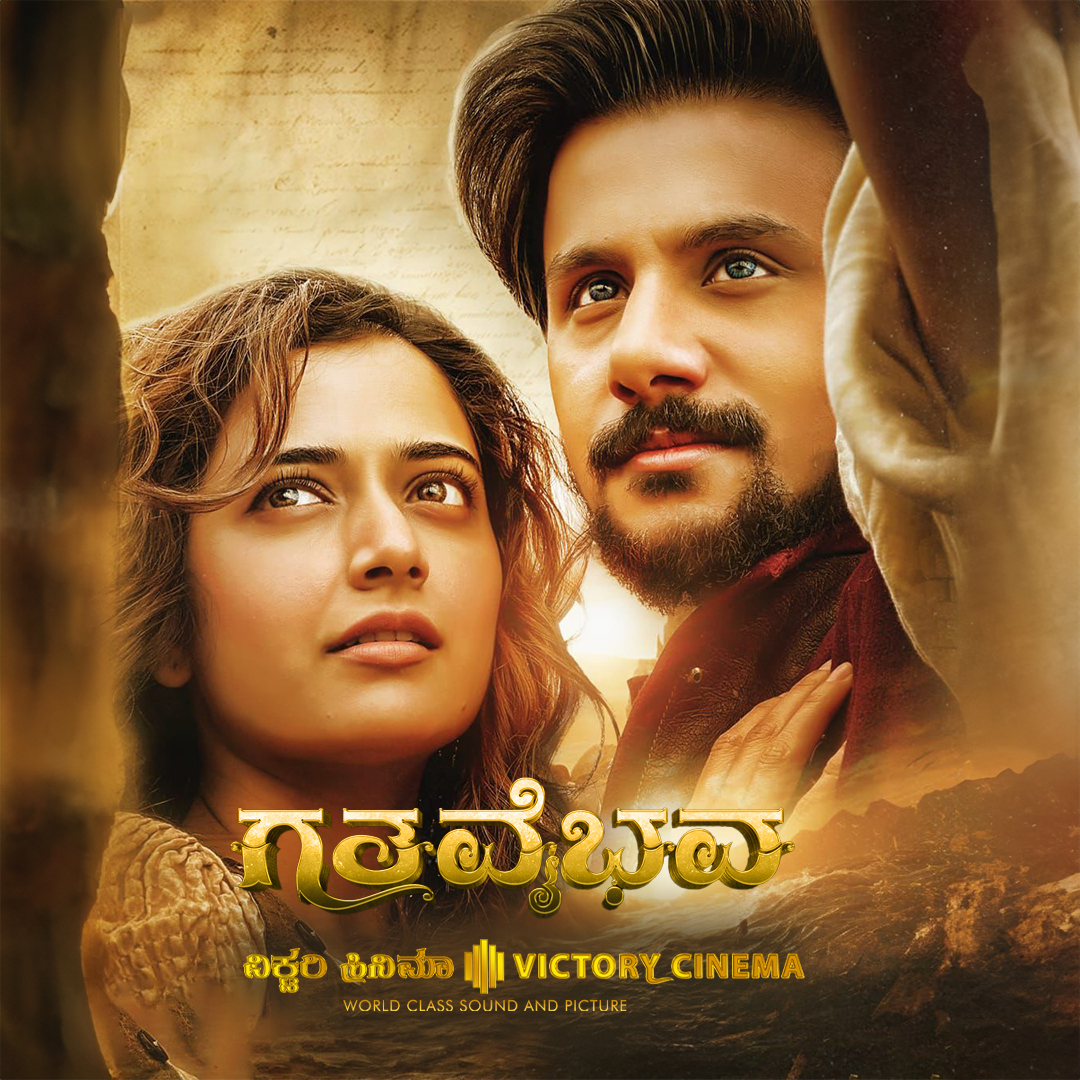
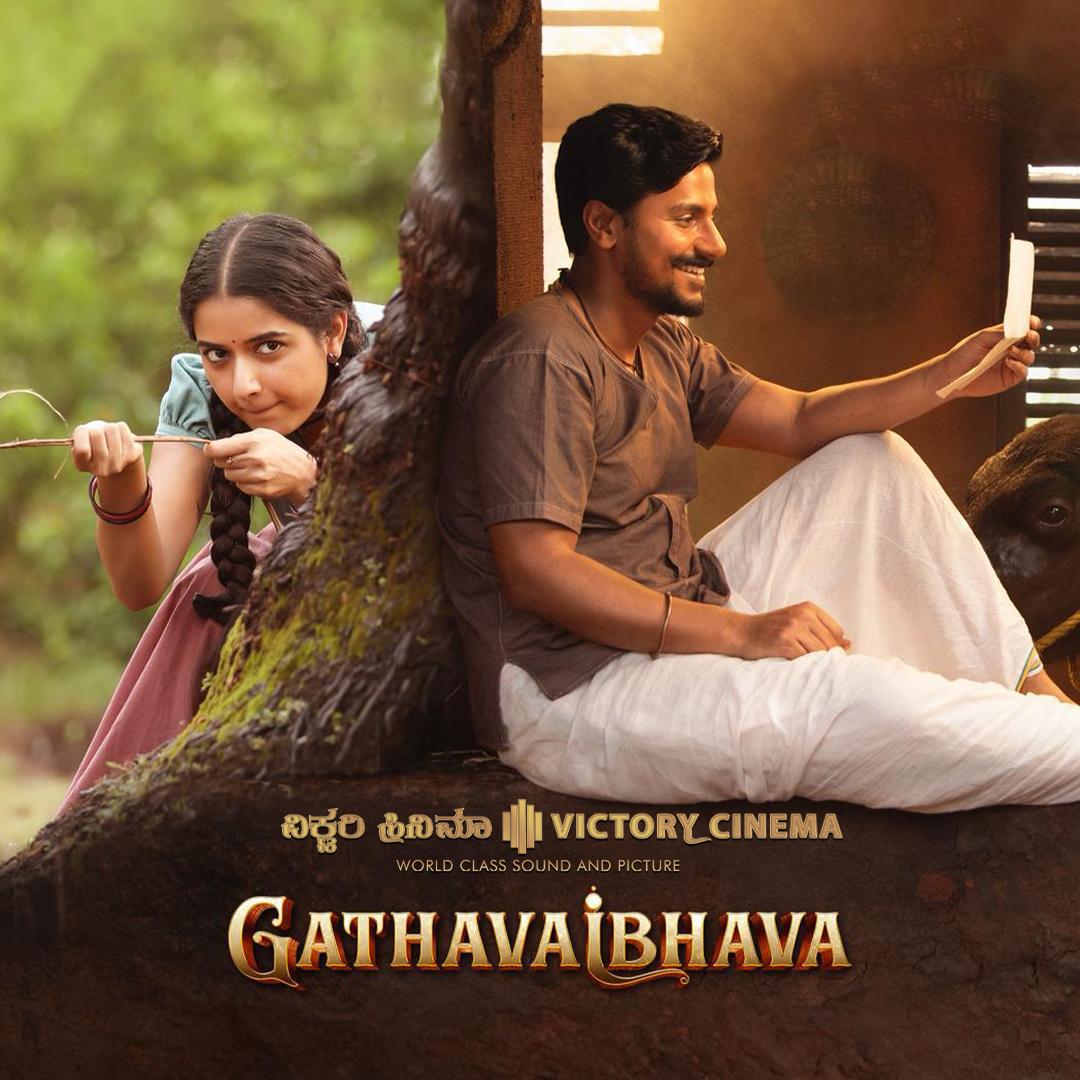
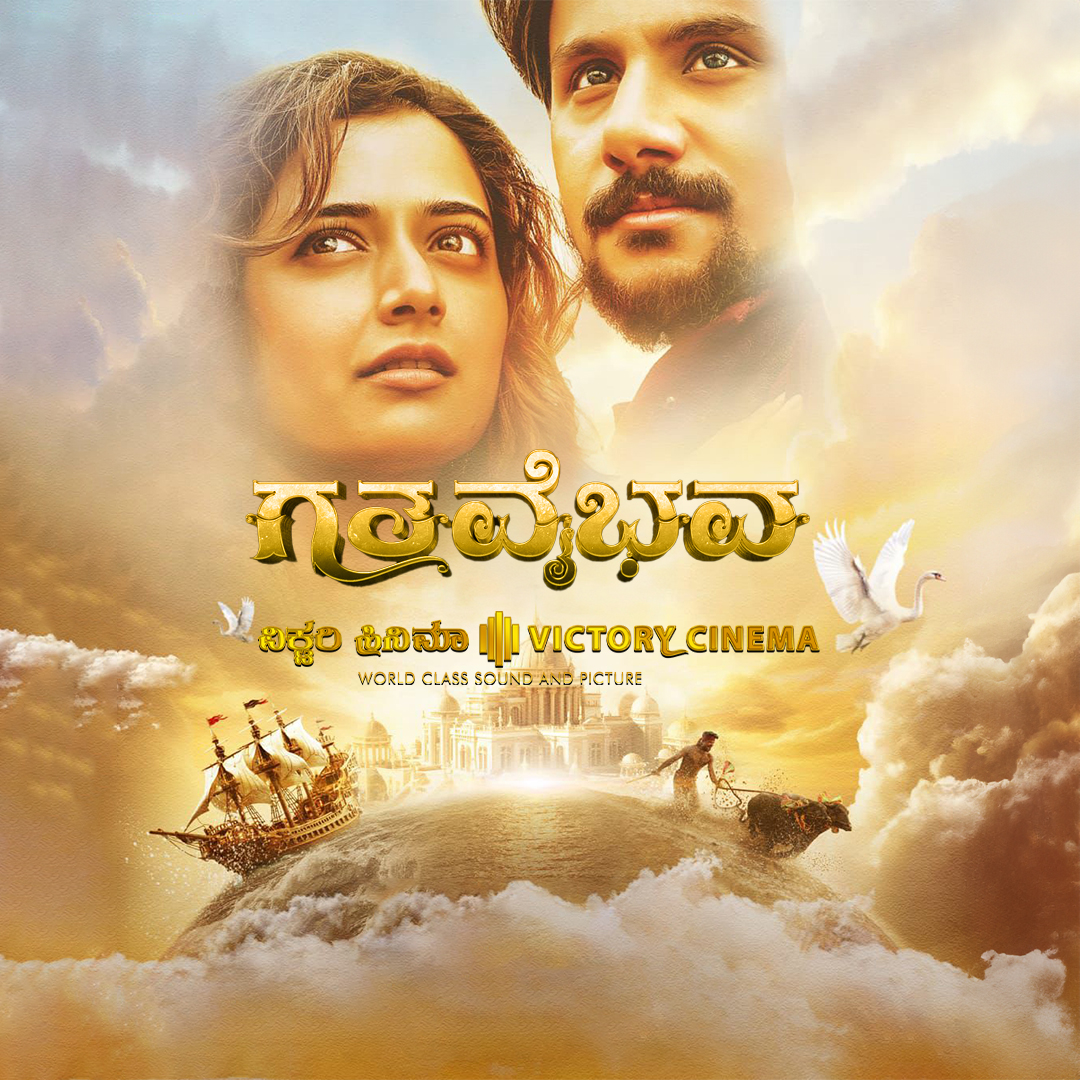
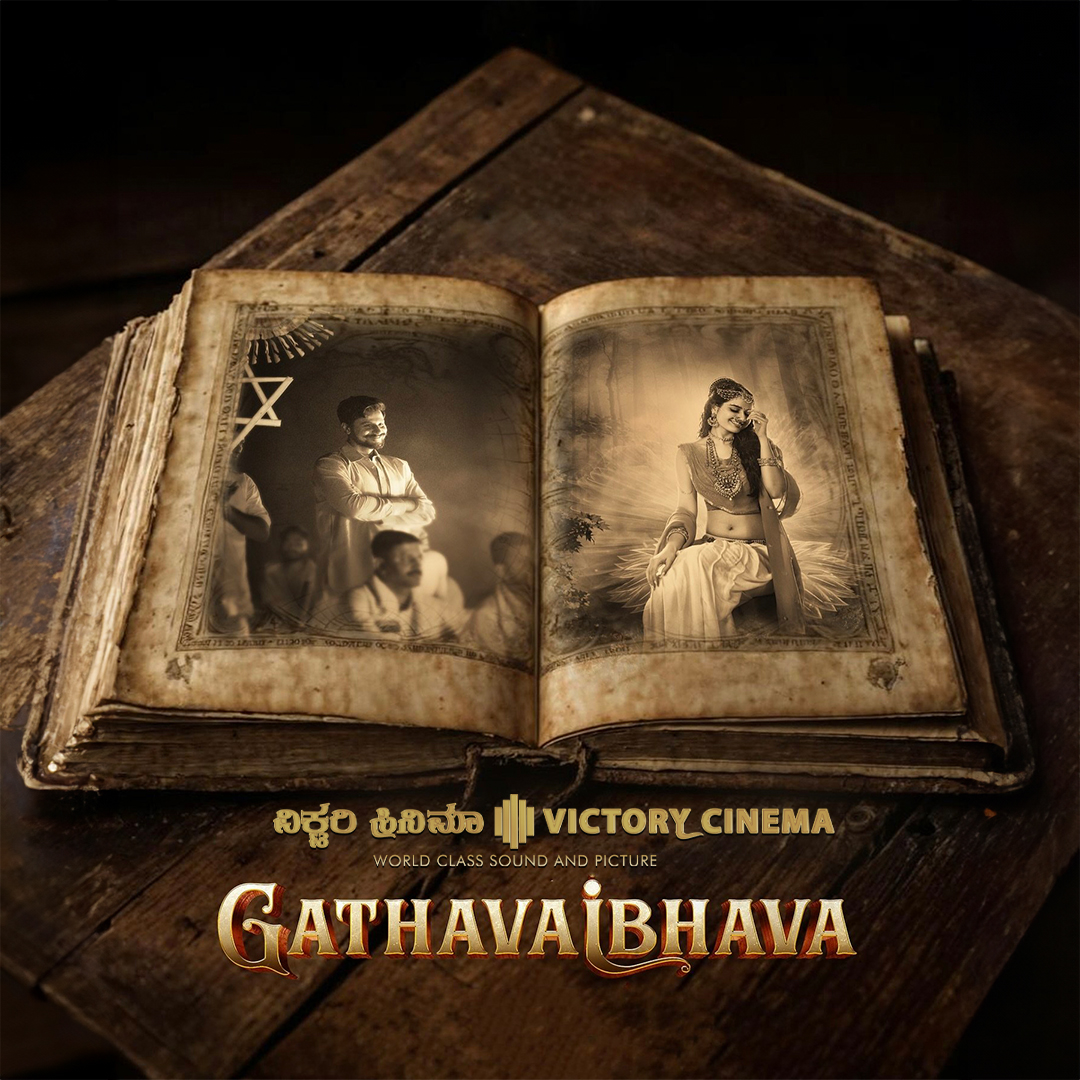
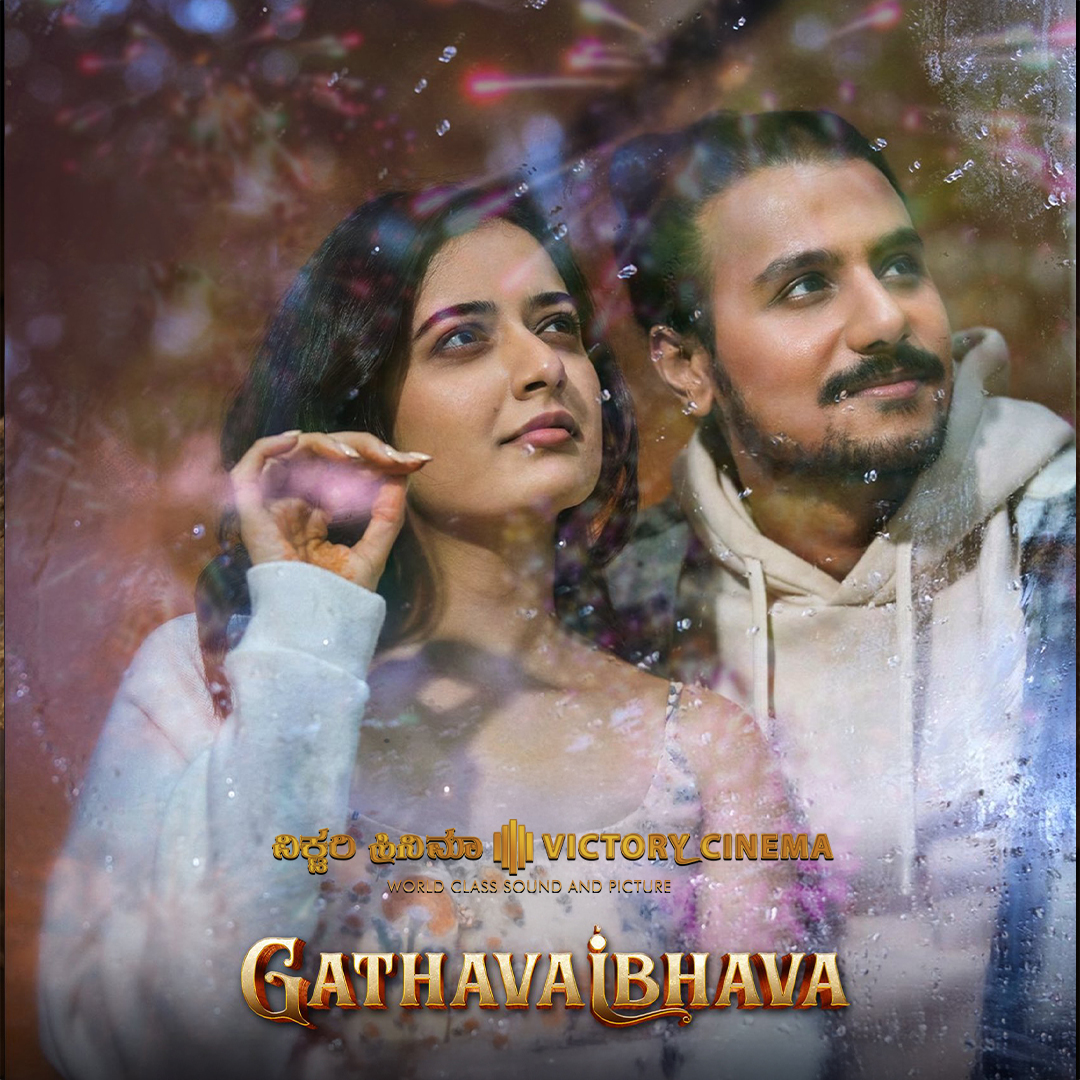
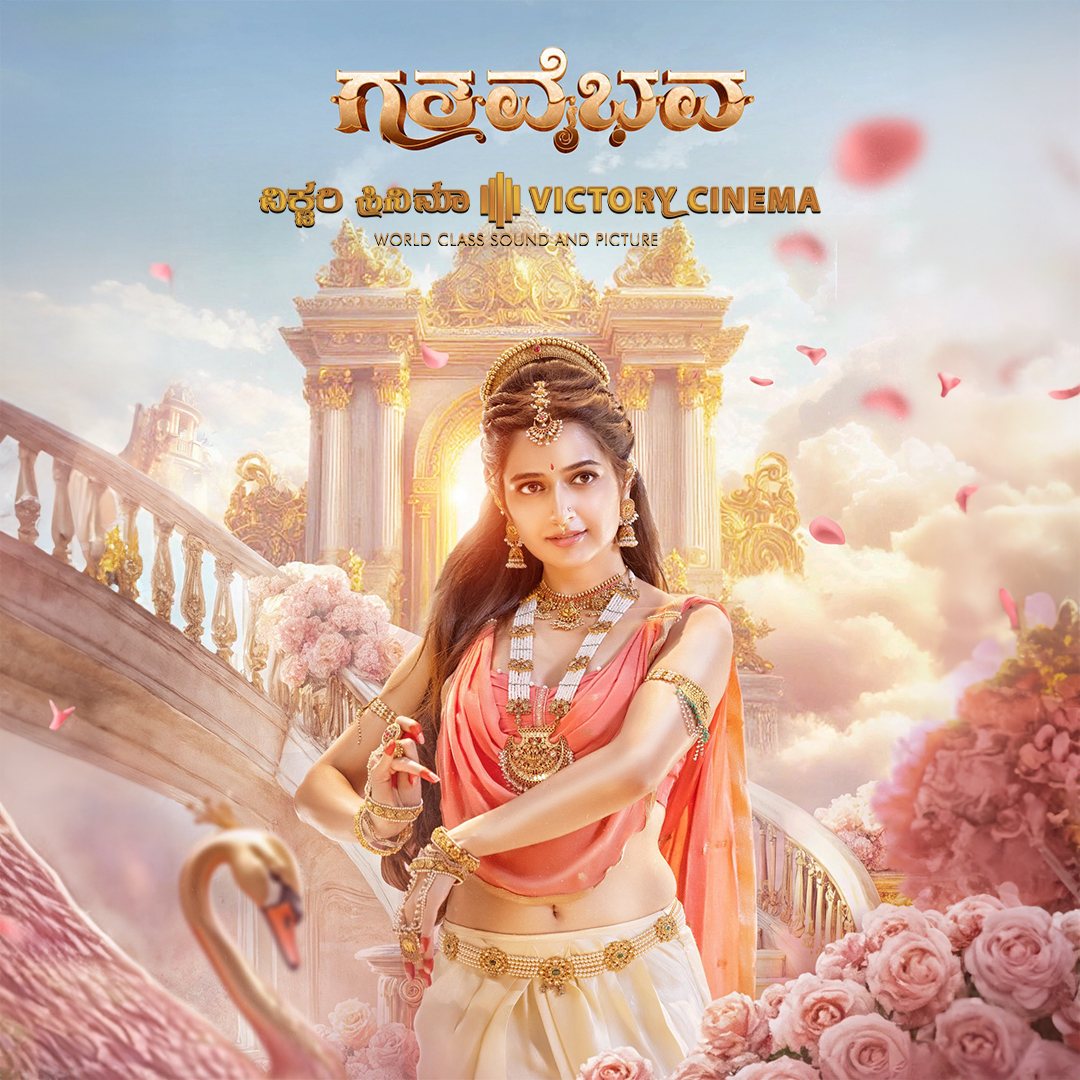
Gatha Vaibhava is an ambitious Kannada fantasy-romantic epic that dares to traverse time, mythology, history and human emotion within a single cinematic canvas. Directed by Simple Suni, known for his emotionally grounded storytelling and character-centric narratives, the film marks a decisive shift in his filmmaking journey toward a larger, more mythic scale. Scheduled for theatrical release with English subtitles, Gatha Vaibhava is positioned as a visually rich, concept-driven film that blends romance with destiny, memory, and the idea that love transcends not just circumstances but lifetimes themselves. The film stars SS Dushyanth in the lead role, marking his debut as a central protagonist in a high-concept narrative, paired opposite Ashika Ranganath, whose presence lends both emotional depth and continuity across timelines. Ashika’s casting is particularly significant given her ability to balance classical grace with contemporary emotional expression, a requirement crucial to a story that moves across eras. Supporting roles are portrayed by seasoned performers including Sudha Belavadi, Kishan Bilagali, Krishna Hebbale, and Krishna Jorapur, each contributing to the layered world that the film constructs — spanning mythological imagination, historical memory, and modern identity. At its heart, Gatha Vaibhava is a story about destiny and recurrence. The narrative is structured around multiple timelines, beginning in the present and spiralling backward into earlier centuries — including myth-inspired realms and pre-independence coastal Karnataka. Rather than presenting time travel as a gimmick, the film treats time as memory — something that resurfaces, repeats, and reshapes itself through human emotion. Love, in this film, is not bound to one lifetime; it is a force that carries forward unresolved emotions, unfinished promises, and karmic consequences. The title Gatha Vaibhava itself hints at this cyclical grandeur — “Gatha” evoking a tale or epic passed down through time, and “Vaibhava” signifying splendour, legacy, and emotional richness. The film reportedly draws inspiration from Indian mythological motifs such as divine realms, cosmic balance, and reincarnation, while grounding these elements in recognisably human conflicts: longing, separation, choice, and sacrifice. The narrative shifts fluidly between timelines, allowing audiences to piece together connections as revelations unfold, rather than spoon-feeding exposition. One of the film’s distinguishing features is its world-building. The production recreates varied periods with meticulous attention to detail — from costumes and architecture to dialect and ritual. Mythic sequences are imagined with symbolic imagery rather than excessive literalism, allowing space for interpretation and emotional resonance. Historical segments, particularly those set in coastal Karnataka and pre-independence eras, are designed to feel lived-in, textured, and culturally rooted. These contrasts between worlds create a rhythm where spectacle never overshadows story. Visually, Gatha Vaibhava relies heavily on carefully integrated VFX and production design, supervised by Nirmal Kumar, ensuring that fantasy elements feel organic rather than ornamental. The film’s cinematography by William David plays a critical role in differentiating timelines — using lighting, colour palettes, and camera movement to signal emotional and temporal shifts without overt markers. Editing by Ashik Kusugolli maintains narrative coherence despite the film’s complex structure, ensuring that transitions feel purposeful and immersive. Music is composed by Judah Sandhy, whose score is expected to act as the emotional spine of the film. Rather than functioning as standalone songs alone, the soundtrack is woven into the narrative fabric, reinforcing transitions between lifetimes and emotional states. Early promotional material suggests a blend of orchestral themes with folk and classical influences, mirroring the film’s thematic blend of myth and realism. Director Simple Suni’s intent with Gatha Vaibhava is clear: this is not fantasy for escapism alone, but fantasy as a language to explore emotional truth. Unlike conventional romantic dramas that focus on immediate conflict, this film asks broader questions — What happens to love that remains incomplete? Do emotions outlive bodies? Can destiny be rewritten, or does it merely rearrange itself? These questions give the film philosophical weight while still retaining mass appeal through romance, spectacle, and dramatic payoff. Importantly, Gatha Vaibhava is designed as a theatrical film, not a streaming-first experience. Its scale, visual design, and layered soundscape demand a large screen and immersive audio environment. This is precisely where Victory Cinema, Bengaluru, becomes the ideal venue to experience the film. The theatre’s 4K RGB laser projection brings out the intricate textures of period costumes, mythic landscapes, and VFX-heavy sequences with clarity and depth. The immersive sound system ensures that Judah Sandhy’s score, ambient effects, and dramatic crescendos resonate emotionally rather than feeling compressed. Watching Gatha Vaibhava at Victory Cinema is not just about visual scale — it is about shared experience. Films rooted in mythology and destiny gain power when watched collectively, where silence, awe, and emotional reactions ripple through the audience. Victory Cinema’s single-screen format preserves this communal atmosphere, allowing viewers to absorb the film’s emotional beats without distraction. Tickets for Gatha Vaibhava are available at victorycinema.in, where audiences can book directly without paying any convenience fee. The platform offers real-time seat selection, mobile OTP-based ticketing, and secure online payments, making the booking experience as seamless as the cinematic one. This direct-to-audience approach aligns with the film’s ethos — authentic, rooted, and free from unnecessary intermediaries. With English subtitles, Gatha Vaibhava also opens its doors to non-Kannada audiences, allowing the film’s emotional and thematic depth to travel beyond linguistic boundaries. Subtitles preserve nuance while enabling wider appreciation of dialogue, symbolism, and narrative rhythm. For viewers unfamiliar with Kannada cinema’s mythic storytelling traditions, this film serves as both an entry point and a showcase of the industry’s evolving ambition. In the broader landscape of Kannada cinema, Gatha Vaibhava stands out as a film that bridges heritage and innovation. It respects cultural mythology while employing modern cinematic tools, honours romance without sentimentality, and embraces spectacle without sacrificing meaning. The presence of emerging talent alongside seasoned performers further reinforces its balance between freshness and credibility. Ultimately, Gatha Vaibhava is a film about emotional continuity — about how stories repeat themselves until they are resolved, how love seeks completion across time, and how destiny is shaped as much by choice as by fate. It invites viewers not just to watch, but to feel, reflect, and connect across eras. For audiences in Bengaluru, the definitive way to experience this cinematic journey is at Victory Cinema, where storytelling of this scale finds the space, sound, and audience it deserves.