Dhurandhar (Hindi with English Subtitles)
- Director: Aditya Dhar
- Writers: Aditya Dhar
- Stars:
- Ranveer Singh
- Sanjay Dutt
- Akshaye Khanna
- R. Madhavan
- Arjun Rampal
- Sara Arjun
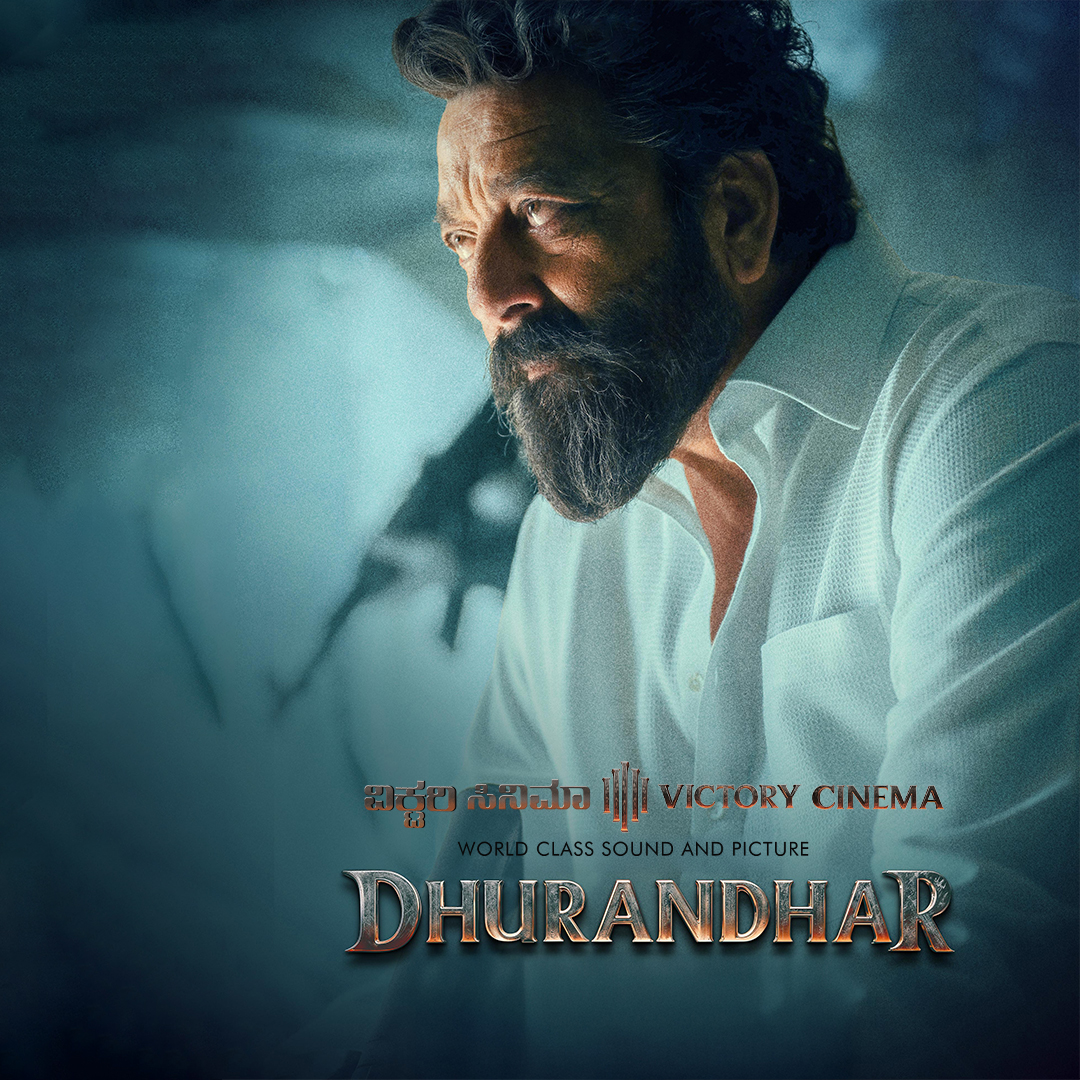
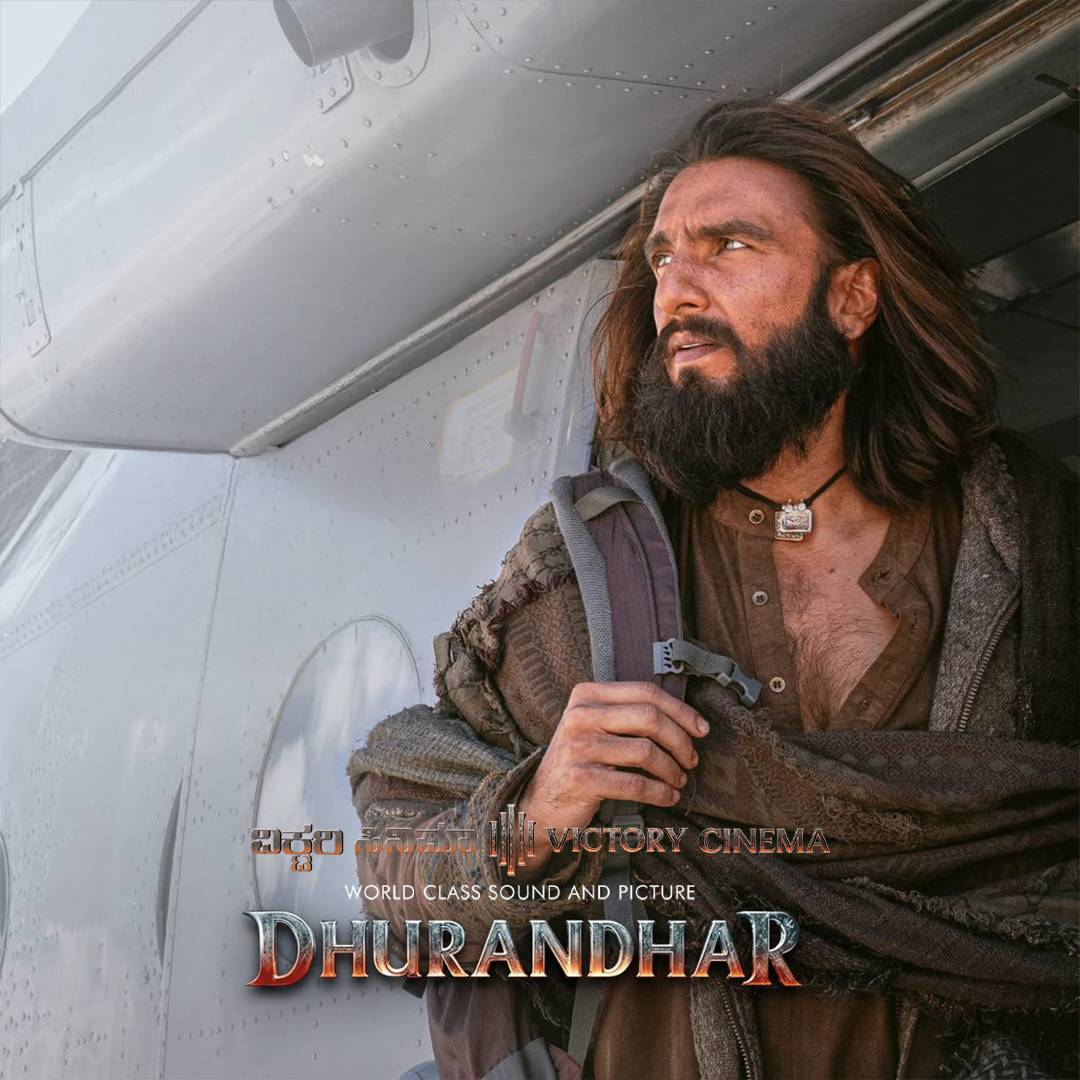
Dhurandhar is one of the most ambitious Indian spy action thrillers of recent years, crafted as the first instalment of a two-part saga that redefines the genre in Bollywood. Written, directed and co-produced by Aditya Dhar, who previously delivered blockbuster war dramas with Uri: The Surgical Strike, this film expands his cinematic universe into a high-stakes espionage thriller that draws both inspiration from true events and imaginative narrative boldness. At its core Dhurandhar centers on an undercover intelligence operative who must penetrate the criminal and political underbelly of Karachi — a city long mythologised in intelligence lore as a complex web of underworld power, factional alliances and geopolitical friction. This is no ordinary thriller; it is a decade-spanning narrative that combines deep tradecraft with a sweeping emotional arc, blending action, trauma, loyalty, betrayal and strategic precision into a cinematic tapestry designed for both adrenaline and contemplation. Leading the ensemble is Ranveer Singh as Hamza Ali Mazari, also known as Jaskirat Singh Rangi — a character whose journey evolves from a raw recruit to a seasoned covert operator with a moral compass hardened by survival instincts and battlefield grit. Ranveer’s performance anchors the film with layers of emotional vulnerability, simmering intensity and disciplined physicality, marking one of the most transformative roles in his career. Opposite him is an all-star ensemble that reads like a who’s-who of contemporary Indian cinema. Akshaye Khanna portrays Rehman Dakait, a formidable figure whose chilling presence and nuanced performance deliver a villain that is as charismatic as he is ruthless. Khanna’s portrayal has already captivated audiences and critics alike, with a spontaneous dance sequence from his character going viral ahead of release — a testament to the actor’s instinctive creativity on set. Veteran actor Sanjay Dutt brings gravitas to the role of SP Chaudhary Aslam, injecting a seasoned intensity into the narrative that balances the youthful energy of Singh’s protagonist. His formidable presence adds a strategic gravitas to scenes that require equal parts tactical authority and emotional weight. R. Madhavan appears as Ajay Sanyal, a character that threads the strategic backbone of the intelligence apparatus into the film’s sprawling geopolitical framework, bringing both philosophical depth and moral ambiguity to his portrayal. Also joining the ranks are Arjun Rampal as Major Iqbal — whose own narrative arc intersects critical junctures of loyalty — and Sara Arjun as Yalina Jamali, whose screen presence offers a humanising counterpoint to the narrative’s relentless tactical tension. Rakesh Bedi, Danish Pandor, Manav Gohil, Saumya Tandon and Naveen Kaushik round out a supporting cast that enriches the story’s world-building with vivid character colour and narrative density. The story of Dhurandhar traverses three decades of geopolitical tension — from the 1999 IC-814 hijack to the 2001 Indian Parliament attack, the 2008 Mumbai attacks and beyond — weaving these historical contexts into its espionage tapestry with respect for real-world resonance while maintaining a cinematic pulse. At stake is not just covert intelligence but the essence of national security, trust, and the human consequence of operations conducted beyond public view. What elevates Dhurandhar beyond conventional spy thrillers is its structural duality — it functions both as a gripping action narrative and a character-driven introspection on the psychological cost of warfare and intelligence operations. Hamza’s journey is not a simple hero’s journey; it is one of moral complexity, where every choice — tactical or personal — carries consequences that ripple across borders and timelines. Technically, the film is a powerhouse of cinematic craft. Vikash Nowlakha’s cinematography paints Karachi — and the many landscapes the narrative traverses — with a gritty realism that draws viewers deep into the geopolitical world it recreates. Shashwat Sachdev’s music score underpins the film’s emotional heartbeat, propelling tense sequences with percussive urgency and quieter lands with thematic resonance. Shivkumar V. Panicker’s editing sharpens the narrative’s pace across its 214-minute runtime, one of the longest in Indian cinema history, yet one that critics have noted never feels indulgent because each sequence builds towards thematic impact and dramatic payoff. The film’s production journey was equally expansive, with principal photography spanning locations across India — including Punjab, Maharashtra, Ladakh and Himachal Pradesh — and international locales such as Thailand. This broad canvas gives Dhurandhar an epic scale, making each moment feel like an operation within a larger strategic chessboard rather than an isolated set piece. Narratively, Dhurandhar balances multiple tonal registers. Its heart lies in the spy thriller genre — with tension, betrayal, surveillance, infiltration and high-stakes gambits — yet it also finds space for emotional beats that explore resilience, identity and the human cost of undercover life. There are quiet scenes of internal struggle, fleeting moments of connection between characters, and tactical confrontations that pivot the story in unpredictable directions. The film also carries significant sociopolitical resonance. Its depiction of intelligence operations and underworld entanglements has sparked dialogue beyond entertainment, including controversies over community portrayals and political sensitivities. For example, legal notices have been issued in response to depictions perceived as derogatory by some groups, underlining how cinema can become a flashpoint in wider cultural conversations. Despite these intense themes, Dhurandhar remains rooted in its mission as a cinema-first spectacle — a big screen narrative built for immersive engagement. The action choreography, espionage sequences and tactical set pieces are designed to be experienced with maximum sensory impact. Each explosion, chase, confrontation and close-quarters tactical moment gains resonance in a theatre environment, where sound and visuals combine to immerse the viewer in Hamza’s perilous world. The film’s Hollywood-scale production values — from military logistics and urban underworld renderings to sprawling set design — demand a theatre setting where every sonic thrum, camera movement and panoramic shot can be fully appreciated. And because the film runs long, the cumulative build of suspense, strategy and emotional stakes becomes most satisfying and coherent only when watched uninterrupted in a theatrical context. At Victory Cinema in Bengaluru, Dhurandhar becomes not just a movie but an experience — amplified by crystal-clear projection, immersive audio, and the shared anticipation of audiences united in a collective viewing. The theatre’s expansive screen ensures that every subtle performance nuance, tactical mapping, and layered dialogue reaches viewers with the clarity and impact intended by the filmmakers. Watching such a dense narrative theatre-first preserves pacing, allows for communal reaction to narrative twists, and deepens the emotional resonance of character arcs. Booking tickets through victorycinema.in ensures a seamless cinema-going experience with secure OTP confirmation, Razorpay payment options, intuitive seat selection, and zero convenience fees — making your visit to see Dhurandhar both smooth and rewarding even before the film begins. As a pre-release narrative, Dhurandhar stands as a landmark in Indian espionage storytelling — bold in scale, rigorous in research, layered in characterisation and epic in scope. Its story of undercover peril, intertwined with real-world historical touchpoints, offers viewers not merely an action spectacle but a cinematic journey that resonates long after the credits roll. In the evolving landscape of Indian cinema, where audiences increasingly seek narratives that are global in ambition yet rooted in human truth, Dhurandhar stakes its claim as a defining theatrical event of 2025 — one best witnessed on the big screen where its many dimensions unfold with full effect.