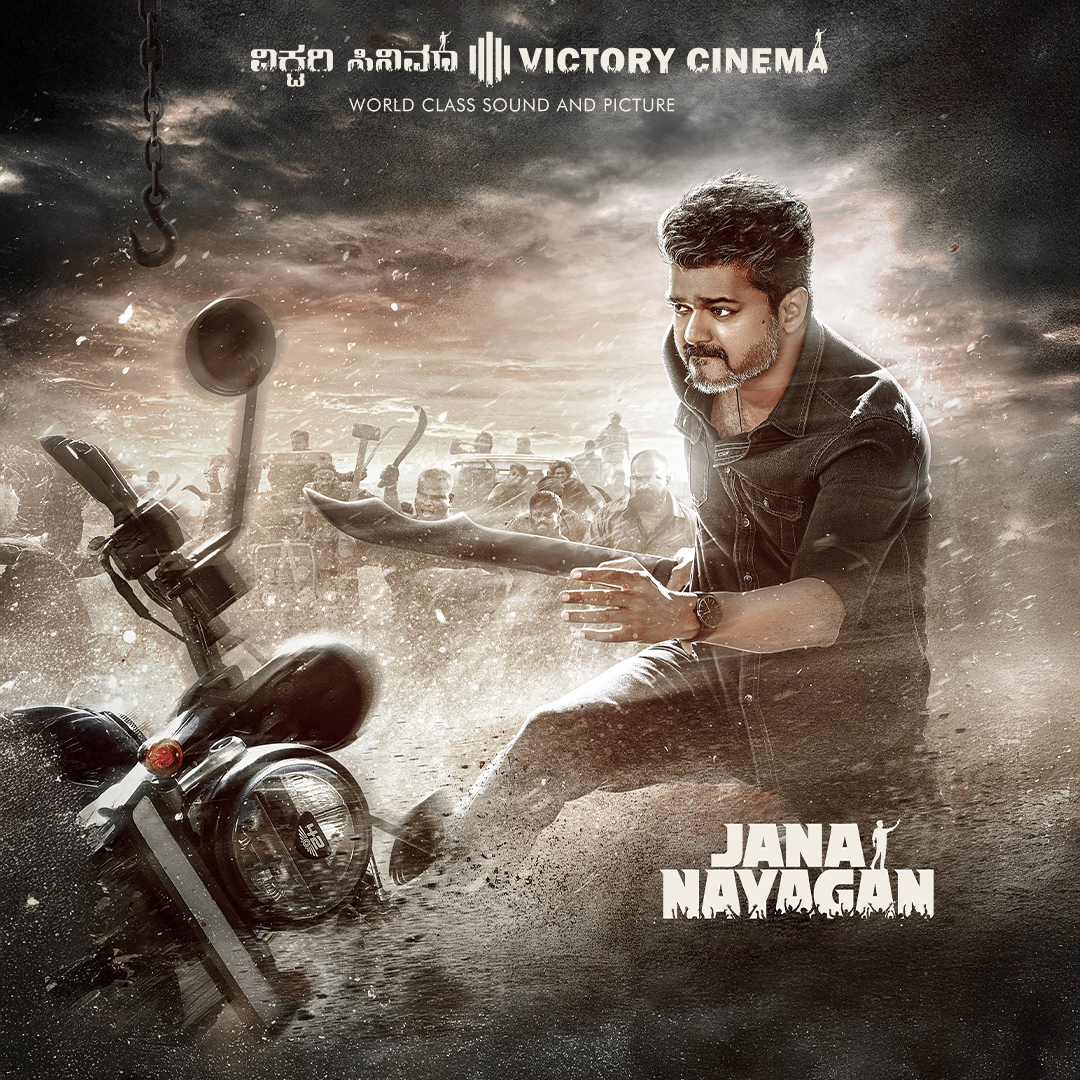
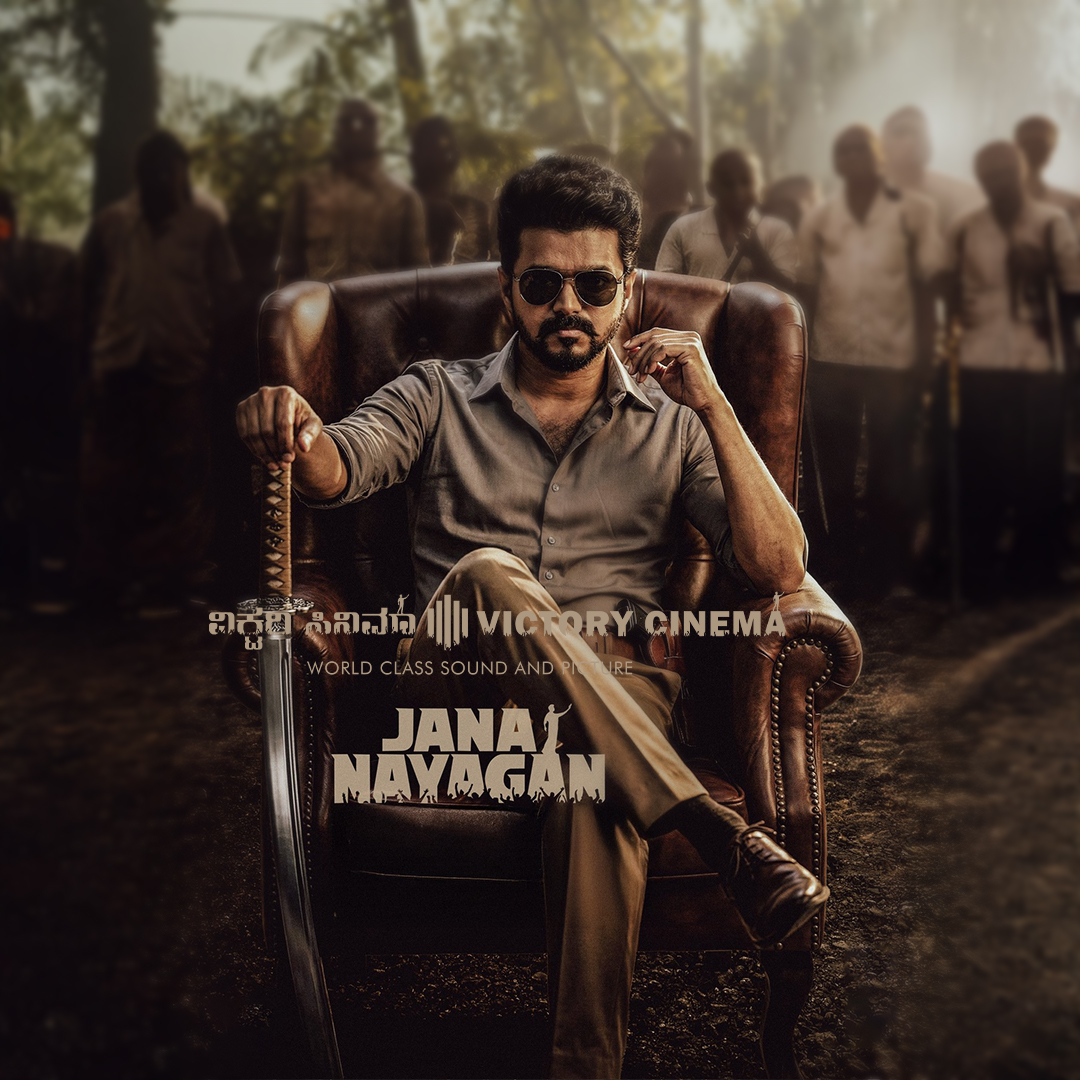
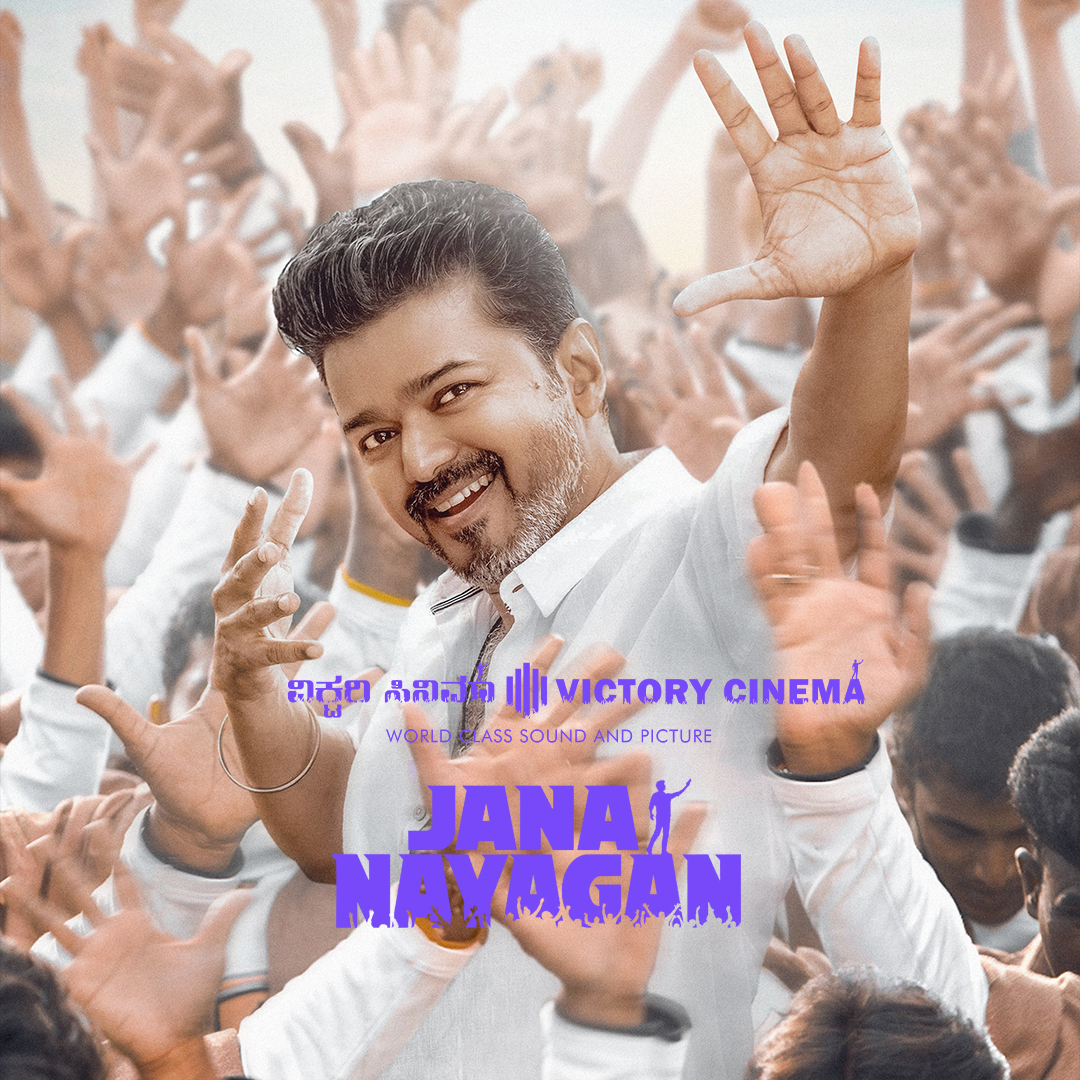
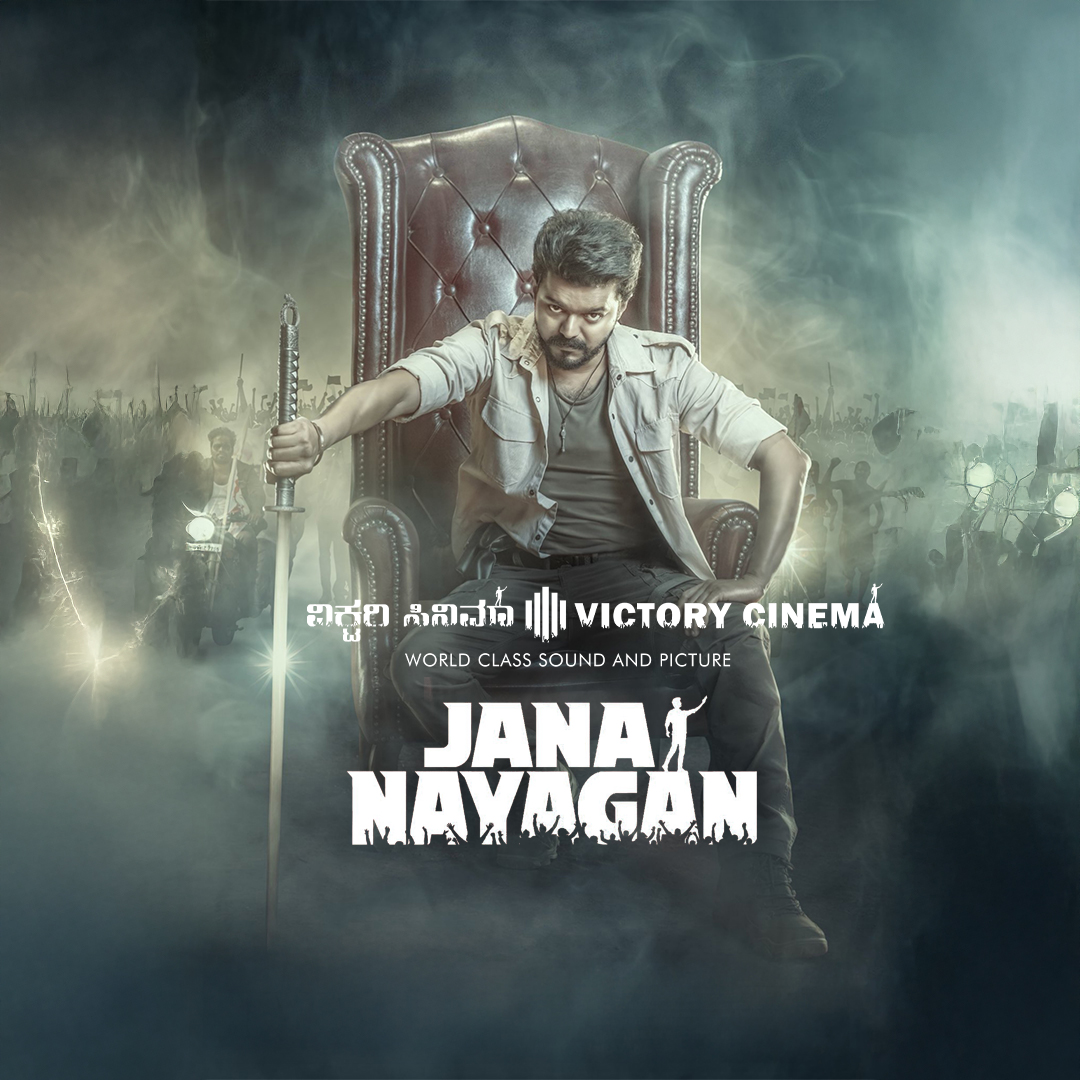
Jana Nayagan (Tamil with English Subtitles)
- Director: H Vinoth
- Writers: H Vinoth
- Stars:
- Vijay
- Pooja Hegde
- Bobby Deol
- Mamitha Baiju
- Gautham Vasudev Menon
- Prakash Raj
- Priyamani
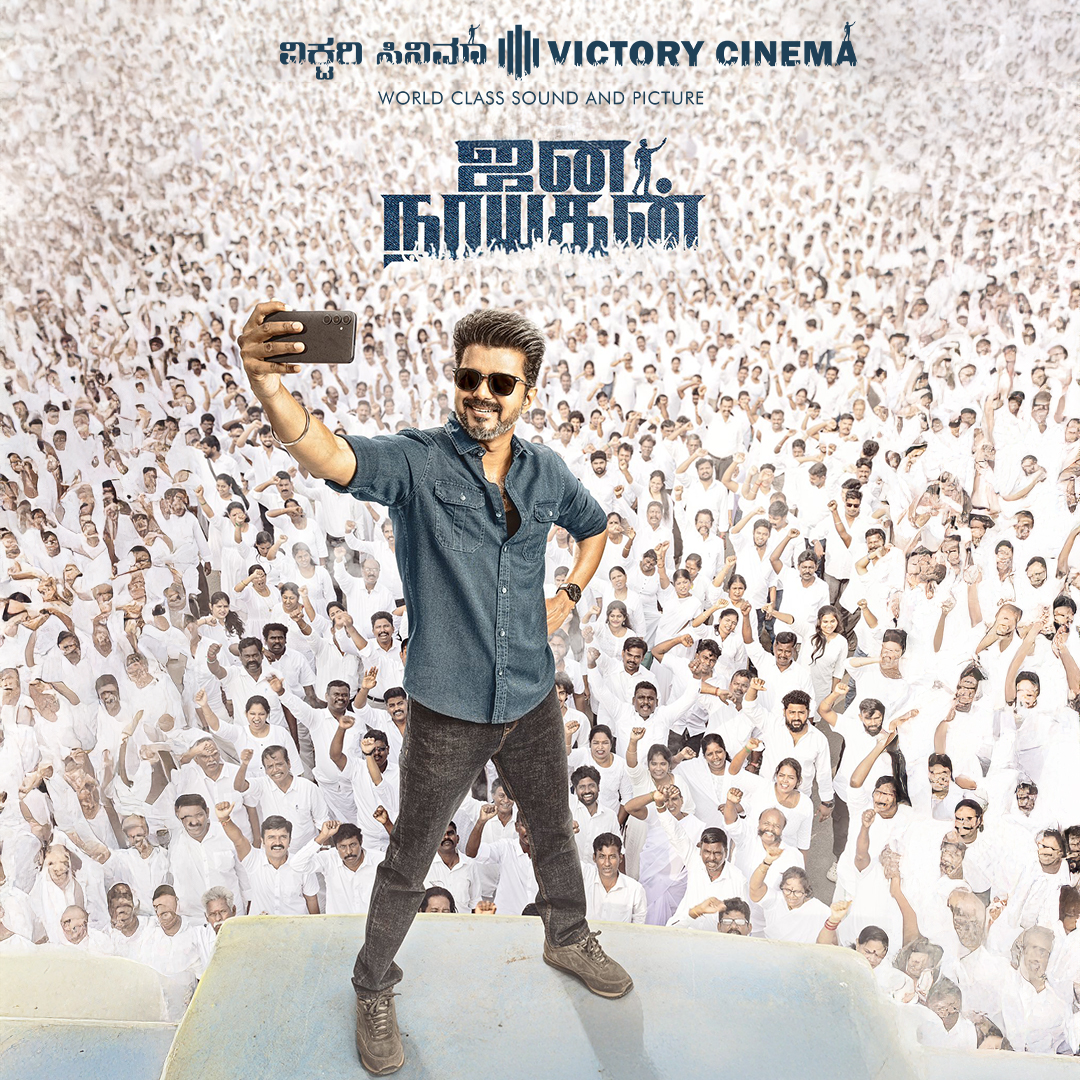
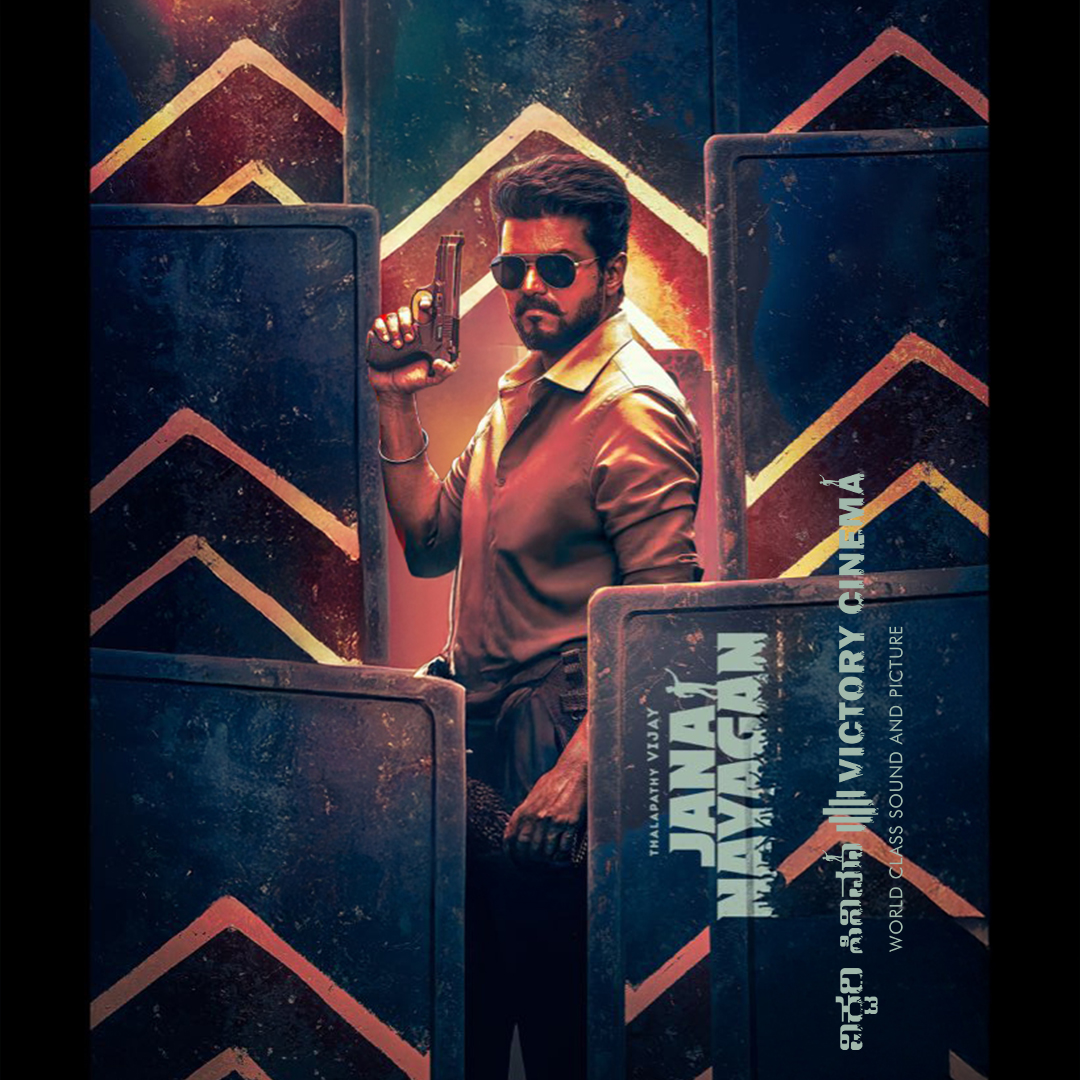
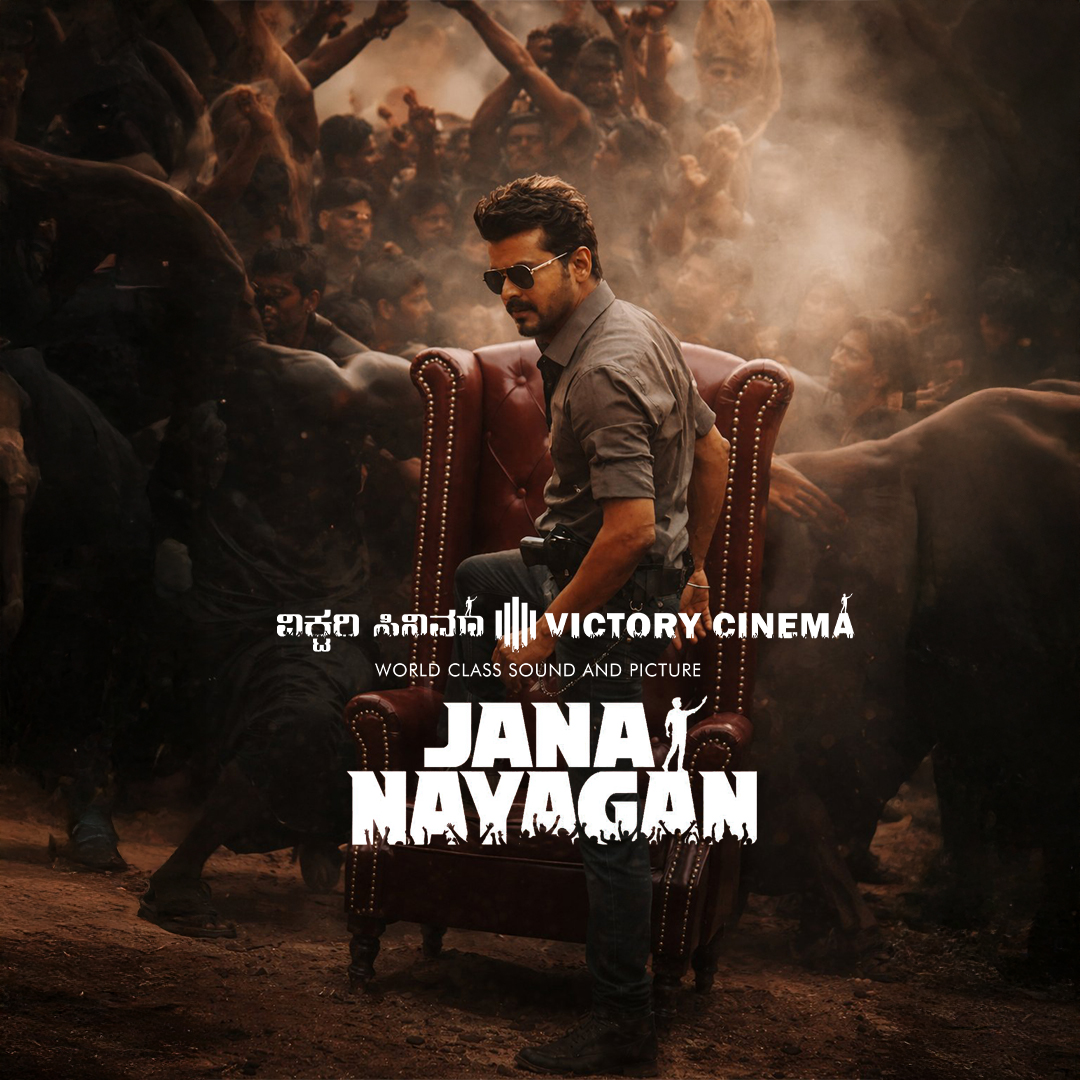
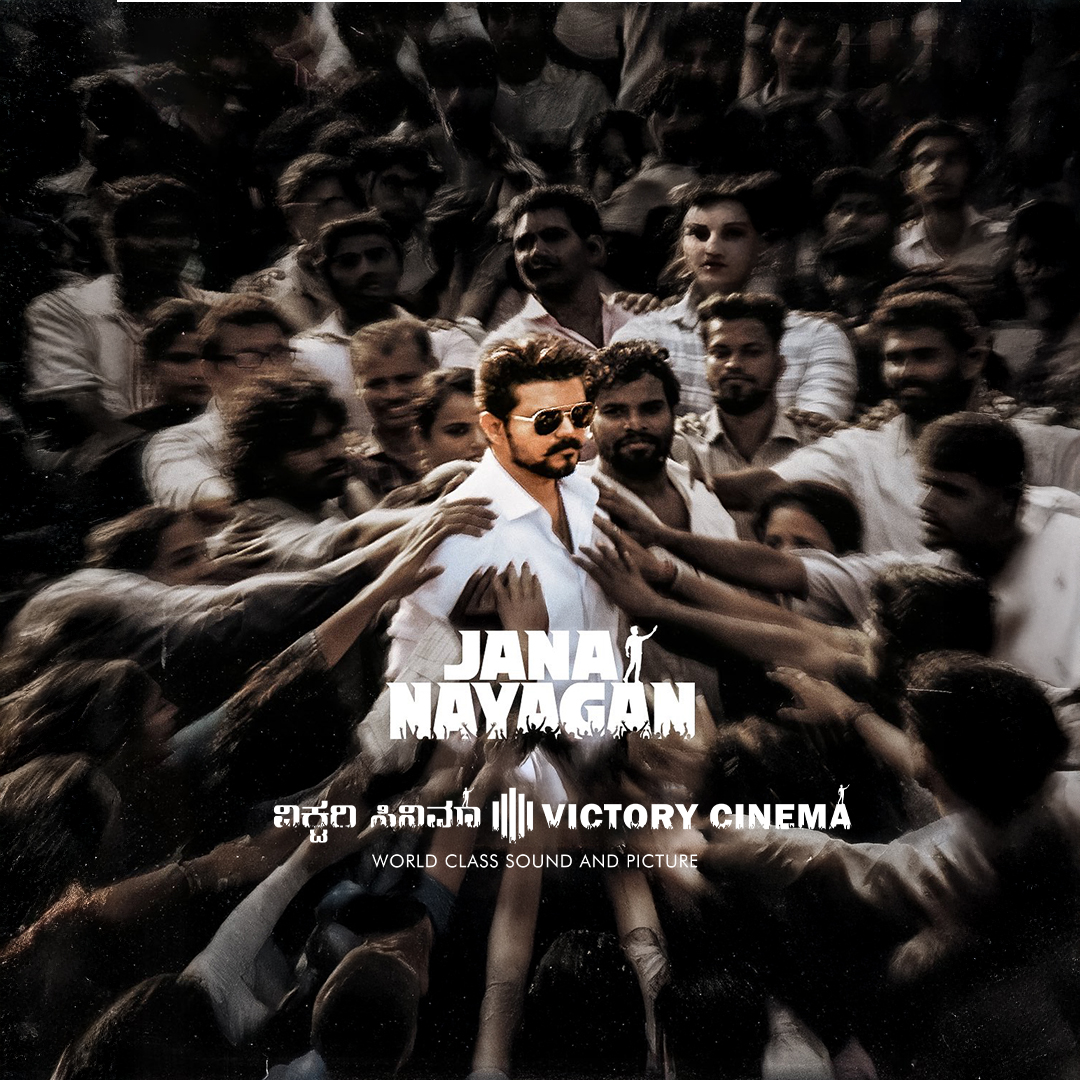
Jana Nayagan stands as one of the most symbolically charged Tamil films in recent history, not merely because of its scale or star power, but because of what it represents at this precise moment in Tamil Nadu’s cultural and political landscape. Headlined by Thalapathy Vijay, this film is widely acknowledged as his final full-fledged cinematic performance before transitioning into active electoral politics, lending every frame of Jana Nayagan an unmistakable sense of gravity, intent, and historical weight.
Directed by H. Vinoth, known for his uncompromising realism in politically and socially conscious thrillers, Jana Nayagan is conceived as a grounded political drama rather than a conventional mass entertainer. Vinoth’s storytelling sensibility, which has previously focused on systemic injustice, institutional corruption, and moral dilemmas faced by individuals within power structures, aligns seamlessly with the thematic promise of Jana Nayagan. This is not a film built on spectacle alone; it is designed as a narrative of ideological conflict, ethical leadership, and the uneasy relationship between the state and its citizens.
The title Jana Nayagan—literally translating to “Leader of the People”—is itself a deliberate declaration. In Tamil cinematic tradition, such titles are never casual; they carry historical, emotional, and political resonance. Here, the title signals a story deeply rooted in the lived experiences of ordinary citizens and their relationship with authority. Vijay’s character is positioned not as a flawless saviour but as a man shaped by public anger, moral exhaustion, and the relentless expectations placed upon those who dare to challenge entrenched power systems.
The film is produced by KVN Productions, a banner that has rapidly gained prominence for mounting large-scale, politically resonant cinema with meticulous production standards. Backed by a substantial budget and a tightly controlled production environment, Jana Nayagan has been developed with the ambition of appealing simultaneously to mass audiences and politically aware viewers, without diluting either.
Joining Vijay in key roles is Pooja Hegde, whose character is expected to serve not merely as a romantic presence but as a narrative counterbalance—representing conscience, resistance, and emotional grounding within the political chaos the story explores. Her role is widely speculated to carry ideological weight rather than ornamental screen time, aligning with Vinoth’s preference for function-driven characters.
The supporting cast reportedly includes seasoned performers such as Prakash Raj, whose involvement alone signals political confrontation and moral ambiguity, and Gautham Vasudev Menon, likely portraying a character embedded within institutional power or media influence. These casting choices reinforce the film’s intention to depict politics not as a binary of good versus evil, but as a layered ecosystem of competing interests, compromised ideals, and difficult choices.
Narratively, Jana Nayagan is widely understood to explore the journey of an individual reluctantly drawn into leadership, rather than one who seeks power for its own sake. The protagonist’s arc is expected to move from personal disillusionment to ideological clarity, shaped by encounters with injustice, public suffering, and systemic decay. Unlike traditional political dramas that glorify authority, this film appears committed to interrogating it—asking what leadership truly costs, and whether moral governance is even possible within deeply flawed systems.
The political landscape depicted in the film is not abstract. It mirrors contemporary anxieties—youth unemployment, institutional erosion, media manipulation, and the widening gap between policy and people. By anchoring its drama in recognisable social tensions, Jana Nayagan positions itself as a cinematic reflection of lived realities rather than escapist fantasy. This approach is characteristic of H. Vinoth’s filmmaking, where narrative tension arises not from exaggerated villains but from believable, systemic failures.
Technically, the film is crafted for theatrical immersion. Cinematography is expected to emphasise realism—muted palettes, grounded framing, and an observational camera style that places the audience within crowds, protests, and corridors of power rather than above them. The music, composed by Anirudh Ravichander, is anticipated to be restrained yet emotionally resonant, focusing more on thematic motifs than chart-driven extravagance. Anirudh’s ability to blend subtle political undertones with mass appeal makes him a natural fit for a film of this nature.
What elevates Jana Nayagan beyond being just another significant Vijay film is the meta-narrative surrounding its release. Audiences are acutely aware that this may be the last time Vijay appears on screen in a purely fictional political role before stepping into real-world politics. This awareness transforms the viewing experience, blurring the boundary between cinema and reality, performance and intention. Every dialogue, gesture, and ideological stand taken by the character is inevitably viewed through the lens of what lies beyond the screen.
For audiences in Bengaluru, watching Jana Nayagan at Victory Cinema amplifies this experience exponentially. A politically driven film thrives on collective viewing, where reactions are shared, silences are felt communally, and applause becomes a form of civic expression. Victory Cinema’s expansive screen and Dolby Atmos calibrated sound system ensure that every spoken word, every pause, and every crowd sequence resonates with clarity and emotional force.
The theatre’s commitment to presentation quality allows Jana Nayagan to unfold as intended—without compression, distraction, or dilution. Political dramas demand attention to dialogue and performance nuance, and the immersive environment of Victory Cinema ensures that audiences remain engaged with the film’s ideological core rather than consuming it passively.
Booking tickets through victorycinema.in further reinforces this premium experience. With seamless seat selection, secure OTP-based verification, Razorpay payment integration, and no convenience fees, the journey from intent to experience remains frictionless. This ease of access aligns with the film’s democratic ethos—cinema that speaks to the people should also be accessible to them without unnecessary barriers.
Importantly, Jana Nayagan is presented with English subtitles, ensuring that its political narrative reaches beyond linguistic boundaries. This inclusivity allows non-Tamil audiences to engage with the film’s ideas, performances, and emotional stakes without compromise, making it particularly relevant in a cosmopolitan city like Bengaluru.
Jana Nayagan occupies a rare space where art, politics, and public consciousness intersect. It is a film shaped not just by script and performance, but by timing, intent, and cultural momentum. Whether one approaches it as a Vijay fan, a follower of political cinema, or a viewer seeking meaningful theatrical storytelling, the film promises an experience that extends beyond entertainment.
In the evolving relationship between Indian cinema and civic discourse, Jana Nayagan positions itself as a landmark moment—one that asks difficult questions without offering easy answers. Witnessing this narrative unfold on the big screen at Victory Cinema ensures that the film is not merely watched, but experienced, debated, and remembered as a defining chapter in contemporary Tamil cinema.